
The Ultimate 9-Day Photographic Tanzania Safari: An Exceptional Wildlife Photography Journey (2027–2029)
Destination: Northern Tanzania
Duration: 9 days / 8 nights
Travel period: 2027–2029
Main destinations: Tarangire National Park, Ngorongoro Conservation Area, Serengeti National Park
Safari style: Wildlife photography, game drives, landscape photography, bird photography and wildlife observation
Pace: Moderate, with early starts and extended time in the field
Transport: Private 4×4 safari vehicle with a pop-up roof or a photography-friendly vehicle configuration, subject to availability
Accommodation: Lodges or tented camps selected according to budget, location and photographic priorities
Ideal for: Wildlife photographers, photography enthusiasts, couples, families with older children and travellers who want to explore Tanzania through a camera lens
The Ultimate 9-Day Photographic Safari Overview
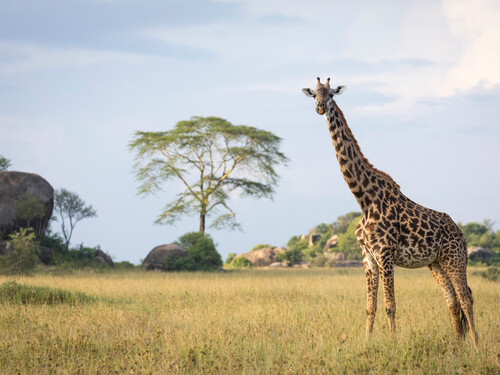
Tanzania offers photographers a remarkable variety of wildlife, landscapes and natural light. In a single journey, you can photograph elephants moving through the dry woodland of Tarangire, lions resting in the grasslands of the Serengeti, giraffes feeding among acacia trees and large herds of wildebeest crossing open plains. The scenery changes as the safari progresses, giving you different subjects and backgrounds to work with throughout the trip.
This nine-day photographic safari is designed for travellers who want to spend meaningful time in the national parks rather than rush from one destination to another. The route follows Tanzania’s northern safari circuit, beginning around Arusha before continuing to Tarangire, the Ngorongoro Conservation Area and the Serengeti. The journey ends with a return to Arusha or a connection to an onward flight, depending on your travel arrangements.
The itinerary combines wildlife viewing with the practical needs of photography. Early departures help you reach the parks during cooler hours, when animals are often more active and the light is suitable for photography. Where conditions allow, game drives can continue into the late afternoon, when the sun becomes softer and the landscape takes on warmer colours.
Time in the Serengeti is an important part of the experience. The park is extensive, and wildlife sightings can vary considerably depending on the season, recent rainfall and the movement of animals. Spending several nights in or near the Serengeti gives you a better opportunity to explore different areas and return to promising locations when conditions are favourable.
Tarangire adds another dimension to the trip, with its large elephant herds, baobab trees, seasonal wetlands and open woodland. Ngorongoro provides a different photographic setting, with a dramatic volcanic landscape and a high concentration of wildlife on the crater floor. Together, these destinations offer a balanced introduction to the wildlife and scenery of northern Tanzania.
This is not a photographic workshop with a guaranteed list of animal sightings. Wildlife moves freely, weather conditions change, and no two game drives are the same. Instead, the itinerary gives you a practical framework for making the most of the opportunities available in the field.
The safari can be arranged for 2027, 2028 or 2029, subject to accommodation availability, park regulations, flight schedules and the final travel dates.
Day 1: Arrival in Tanzania – Welcome to Arusha
Accommodation: Arusha lodge or hotel
Meals: Depending on arrival time and package arrangements
Main focus: Arrival, equipment preparation and safari briefing
Your photographic safari begins with arrival at Kilimanjaro International Airport, the main international gateway for many travellers visiting northern Tanzania. Depending on your flight schedule, you may arrive during the day or in the evening.
After completing airport formalities and collecting your luggage, you will meet your transfer representative and travel to your accommodation in Arusha. The drive normally takes around one hour to an hour and a half, although traffic and the exact location of your lodge can affect the journey time.
Arusha is a useful starting point for a northern Tanzania safari. It provides access to Tarangire, Lake Manyara, Ngorongoro and the Serengeti, while also offering shops, restaurants and services that may be helpful before heading into the parks.
Once you arrive at the lodge, you can settle into your room and take time to rest after your international journey. If you arrive early enough, you may have time to check your photography equipment, charge batteries, organise memory cards and prepare your camera bag for the following morning.
For wildlife photography, preparation before entering the parks can save valuable time later. Check that your camera batteries are fully charged, your memory cards have enough space and your lenses are clean. If you are carrying several lenses, decide which equipment you will need most often and keep it accessible during game drives.
A camera with a telephoto lens is useful for photographing distant animals, birds and details of wildlife behaviour. A wider lens can be helpful for landscapes, large elephant herds, baobab trees and animals photographed within their surroundings. A versatile zoom lens can reduce the need to change lenses frequently in dusty conditions.
In the evening, your guide or safari representative will discuss the route, expected departure times, park procedures and any arrangements that need to be confirmed before the journey begins.
You can also discuss your photography interests. Some travellers concentrate on large mammals, while others prefer birds, landscapes, close-up details or a mixture of subjects. Understanding these interests helps the guide plan the day more effectively where park rules and wildlife conditions allow.
There is no need to schedule a long activity on arrival day. International travel can be tiring, and the safari will involve early mornings. Resting well gives you a better chance of enjoying the first game drive.
Photographic opportunities: Depending on your arrival time and the surroundings of your accommodation, you may photograph gardens, local scenery, birds or views of Mount Meru when weather conditions are clear. These are optional opportunities rather than guaranteed activities.
Overnight: Arusha.
Day 2: Arusha to Tarangire National Park – Elephants, Baobabs and Open Woodland
Accommodation: Lodge or tented camp in the Tarangire area
Meals: Breakfast, lunch and dinner
Main focus: Elephants, baobab trees, woodland wildlife and environmental portraits
After an early breakfast, leave Arusha and travel towards Tarangire National Park. The drive generally takes around two to three hours, depending on your starting point, road conditions and the entrance gate used.
The landscape changes as you leave the busier areas around Arusha and travel towards the park. Small settlements, cultivated land and open countryside gradually give way to the drier vegetation associated with the Tarangire region.
Tarangire is well known for its elephants, baobab trees and seasonal concentration of wildlife around the Tarangire River and other water sources. During drier periods, animals may gather around remaining water, creating opportunities to photograph different species in the same area. The number and location of animals depend on rainfall and seasonal conditions.
After entering the park, begin your first game drive. Rather than travelling quickly from one sighting to the next, your guide can take time to look for promising photographic subjects and assess the direction of the light.
Elephants are among Tarangire’s most recognisable subjects. You may see family groups moving through the woodland, feeding on branches, drinking or interacting with one another. These everyday behaviours can produce more interesting photographs than a simple record shot of an elephant standing in the open.
Watch how the animals position themselves against the background. An elephant framed by a baobab tree, a calf walking beside its mother or a herd moving through a dusty track can tell a stronger story than a tightly cropped photograph without context.
Baobab trees provide another important photographic subject. Their thick trunks and unusual branches create distinctive shapes, especially when photographed against a clear sky or during softer morning and afternoon light. Depending on the location, you may be able to include elephants or other wildlife in the same frame to show the relationship between the animals and their habitat.
Tarangire is also home to giraffes, zebras, wildebeest, buffalo, impalas, warthogs and various bird species. Predators such as lions may be encountered, although sightings are never guaranteed. Your guide will use knowledge of the area and recent wildlife activity to decide which routes are worth exploring.
For photographers, the main challenge is often balancing a tight wildlife portrait with a wider image that shows the environment. Both approaches have value. A close photograph may reveal an animal’s expression or texture, while a wider composition can show how the animal fits into the landscape.
During the day, you will stop at an authorised picnic site for lunch or follow the arrangements available for your chosen accommodation and safari route. Your guide will explain where you can safely leave the vehicle and where photography must be carried out from inside it.
Continue exploring the park during the afternoon, paying attention to changing light and animal movement. If the conditions are suitable, the late afternoon can be particularly useful for photographing elephants against warm-coloured grass or capturing silhouettes of trees and wildlife.
Leave the park according to the permitted schedule and travel to your lodge or tented camp. After check-in, you can back up your images, recharge batteries and prepare for the next day.
Photographic opportunities: Elephant behaviour, baobab trees, giraffes, woodland birds, environmental wildlife portraits and broad landscape compositions.
Overnight: Tarangire area.
Day 3: Full-Day Tarangire Safari – Wildlife Behaviour and Photography in the Field
Accommodation: Lodge or tented camp in the Tarangire area
Meals: Breakfast, picnic lunch and dinner
Main focus: Extended game viewing, animal behaviour, birds and changing light
Today is dedicated to exploring more of Tarangire National Park. A full day in the park allows you to spend additional time with wildlife and return to promising areas if the conditions are suitable.
Begin early, when temperatures are generally cooler and the light is often more manageable for photography. Animals may be feeding, moving between resting places or gathering around water. Early morning does not guarantee close encounters, but it gives you a useful opportunity to photograph wildlife before the stronger midday light.
The route will depend on recent sightings, park conditions and the areas you explored the previous day. Your guide may choose to follow the river system, explore woodland tracks or investigate open areas where herbivores are feeding.
When you encounter wildlife, take a moment to observe before beginning to photograph. Look for changes in behaviour, movement between animals and interactions within a herd. An elephant raising its trunk, a giraffe stretching towards a branch or a bird taking flight may offer a brief opportunity that is easy to miss when attention is focused only on taking pictures.
For action photography, use a shutter speed suitable for the movement. A resting elephant may be photographed at a relatively moderate shutter speed, while a running animal or bird in flight usually requires a faster one. The exact setting depends on your lens, available light, camera and the speed of the subject.
If you prefer to photograph birds, Tarangire offers opportunities to look for species in open woodland, around water and among the trees. Your guide can help identify birds where possible, but sightings vary with habitat, season and weather.
Bird photography often requires patience. Instead of trying to photograph every bird you see, look for a clear background, good light and a natural position. A bird perched against open sky may be easier to isolate than one hidden among dense branches. At the same time, a wider photograph showing the bird within its habitat can be valuable for documenting the ecosystem.
Midday light can be harsh, producing strong contrast and deep shadows. Use this time to photograph subjects that suit the conditions, review your images or take a break at an authorised picnic site. Dust, heat and bright reflections may also affect image quality, so keep lenses protected when they are not in use.
If wildlife activity continues in a promising area, your guide may adjust the route to allow more time there. This is one of the advantages of a private photographic safari: the day can be organised around the conditions rather than following a rigid timetable, within park rules and the agreed schedule.
During the afternoon, concentrate on the quality of the photographs rather than the number of species recorded. Look for layered compositions, animals moving through the landscape and details that help tell the story of Tarangire.
You may also photograph animal tracks, dry riverbeds, tree bark, seed pods and other environmental details when conditions and time allow. These images can provide useful variety in a wildlife photography collection.
Return to your accommodation in the late afternoon or early evening, according to the park’s operating rules and your route. After dinner, review the day’s photographs and make a note of any subjects you would like to pursue during the remaining days.
Photographic opportunities: Elephant interactions, bird portraits, wildlife in motion, animal tracks, woodland scenes and environmental details.
Overnight: Tarangire area.
Day 4: Tarangire to the Ngorongoro Conservation Area – Changing Landscapes and Highland Scenery
Accommodation: Lodge or tented camp in the Karatu or Ngorongoro area
Meals: Breakfast, lunch and dinner
Main focus: Scenic travel, highland landscapes, cultural scenery where appropriate and preparation for the crater
After breakfast, leave the Tarangire region and travel towards the Ngorongoro Conservation Area. This is mainly a transfer day, but there may be opportunities to photograph the changing landscape along the way.
The drive can take several hours, depending on the accommodation location, road conditions, planned stops and the final lodge. Allow flexibility in the schedule, especially during periods of heavy rain when some roads may become slower to navigate.
As you travel north, the scenery changes from the drier woodland and baobab country of Tarangire to cultivated areas, open highlands and greener landscapes in parts of the Ngorongoro region. The journey provides a useful contrast to the previous two days.
Where safe and permitted, you may stop briefly to photograph the landscape or take a break. Any stops should be agreed with your driver-guide and should not interfere with road safety or the day’s arrival schedule.
Photographers interested in landscape work can use this journey to practise composing scenes with foreground, middle distance and background. Roads, cultivated fields, distant hills and changing cloud formations can all help describe the region, provided the location is safe and suitable for stopping.
If you wish to photograph people or community activities, ask permission first and respect anyone who does not want to be photographed. Cultural encounters should be arranged responsibly and should not be treated as an automatic part of the transfer.
Depending on the route and your accommodation, you may have views towards the Ngorongoro highlands. Weather can change quickly in this area, and mist or cloud may cover the hills. These conditions can make photography more challenging, but they can also add atmosphere to landscape images.
On arrival at your lodge or camp, check in and take time to prepare for the following morning. The Ngorongoro Crater descent usually begins early, and having your equipment ready the night before makes the departure easier.
Clean your lenses carefully if you have been photographing in dusty conditions. Check batteries, memory cards and camera settings. If you are carrying a tripod or beanbag, confirm how it can be stored safely in the vehicle and whether it will be practical to use during the next day’s game drive.
Discuss the crater schedule with your guide. The amount of time available on the crater floor depends on park regulations, the permit and the operational arrangements in place for your visit. Your guide can explain the expected departure time and the best way to organise the day.
The Ngorongoro Crater is known for its concentration of wildlife in a relatively compact area, but the terrain, vegetation and animal behaviour still affect sightings. You may see several species during the day, although no specific encounter can be guaranteed.
Rest early if possible. The following morning will involve an early start and a full day of wildlife photography.
Photographic opportunities: Highland scenery, changing vegetation, clouds over the hills, rural landscapes and details of the journey.
Overnight: Karatu or Ngorongoro area.
Day 5: Ngorongoro Crater Safari – A Remarkable Setting for Wildlife Photography
Accommodation: Lodge or tented camp in the Karatu or Ngorongoro area
Meals: Breakfast, picnic lunch and dinner
Main focus: Wildlife portraits, open grassland, crater scenery and predator photography
Leave your accommodation early and travel towards the Ngorongoro Crater descent route. The journey and timing will depend on where you stayed the previous night and the applicable park arrangements.
The crater is one of the best-known wildlife areas in Tanzania. Its steep walls surround a broad floor containing grasslands, woodland, wetlands and other habitats. These different environments support a variety of wildlife, making the crater an important stop on a northern Tanzania photographic safari.
Once the vehicle reaches the crater floor, begin exploring with your guide. The route will depend on the latest sightings, road conditions and the time available under the relevant permit and park rules.
The open grasslands can provide opportunities for photographing zebras, wildebeest and other grazing animals. When animals are spread across the plain, consider including more of the landscape rather than filling the frame with a single subject. The surrounding crater walls can give the image a sense of place.
Lions may be seen resting, walking or interacting with other members of their group. If a sighting occurs, your guide will position the vehicle according to the permitted viewing arrangements and the behaviour of the animals.
For photographers, the key is to remain patient and work with the available angle. A lion lying in short grass may be easy to photograph, while one partly hidden by vegetation can require a different approach. Try different compositions if the animal remains in view, including close portraits and wider frames that show its surroundings.
The crater is also an important area for black rhinoceros, although sightings are not guaranteed and animals may be distant. If a rhinoceros is located, follow your guide’s instructions and respect the required distance and vehicle rules. A long lens can be useful, but avoid assuming that every sighting will produce a close-up photograph.
Buffalo, hyenas, hippos, jackals and a variety of birds may also be encountered. Flamingos and other waterbirds can sometimes be seen around suitable wetland areas, depending on water conditions and seasonal changes.
Photography in the crater can involve strong sunlight, reflections and rapid changes in exposure as the vehicle moves between open ground and shaded areas. Check your exposure when the background changes significantly, especially when photographing dark animals against bright grass or pale skies.
Use the time available to photograph a range of subjects. Wildlife behaviour, tracks, birds, crater landscapes and the interaction between animals and their surroundings can all contribute to a complete record of the day.
A picnic lunch is normally arranged at an authorised site, subject to the day’s route and park regulations. Keep food secured and follow your guide’s instructions around wildlife. Do not leave the designated area to approach animals or attempt to photograph them on foot where this is prohibited.
After lunch, continue the game drive if time permits. Your guide may revisit a promising area or explore a different section of the crater floor. Conditions can change during the day, so flexibility is useful.
Leave the crater according to the permitted schedule and return to your accommodation. The day can be rewarding but physically tiring, particularly for photographers who have been working with heavy camera equipment from early morning.
In the evening, review your images and prepare for the next stage of the safari. The Serengeti is a large ecosystem, and the following days will focus on exploring its grasslands, rocky outcrops and wildlife areas.
Photographic opportunities: Lions, grazing herds, buffalo, birds, crater landscapes and, if encountered, black rhinoceros.
Overnight: Karatu or Ngorongoro area.
Day 6: Ngorongoro to Serengeti National Park – Entering the Great Plains
Accommodation: Serengeti lodge or tented camp
Meals: Breakfast, lunch and dinner
Main focus: Scenic transfer, open plains, wildlife along the route and afternoon photography
After breakfast, leave the Ngorongoro area and travel towards Serengeti National Park. Depending on the selected route and accommodation, the journey can take several hours. Road conditions, stops, wildlife sightings and the location of your camp will affect the total travel time.
The journey is an important part of the safari because the scenery changes considerably as you approach the Serengeti. The highlands give way to broad grasslands, open plains and areas dotted with rocky kopjes. These rock formations are a distinctive feature of the Serengeti landscape and often provide useful perches and resting places for wildlife.
Depending on the route, you may pass through the Ngorongoro Conservation Area before entering the Serengeti. The precise arrangements will depend on park regulations, the location of your accommodation and the travel plan confirmed before departure.
As you enter the Serengeti, keep your camera accessible. Wildlife may be seen along the route, but sightings vary and the journey should not be treated as a guaranteed game drive with specific animals. Your guide will decide where to stop and how much time can reasonably be spent at any sighting without affecting the arrival schedule.
The Serengeti is famous for its large grazing herds and predators, including lions, cheetahs, leopards and hyenas. It is also home to elephants, giraffes, buffalo, antelopes and many bird species. The number and distribution of animals change throughout the year, influenced by rainfall, food availability and seasonal movement.
The Great Migration is a major attraction, but its location changes. Large herds of wildebeest and zebra move through different parts of the ecosystem during the year, and the timing can vary. A responsible itinerary should select the most suitable Serengeti region for your travel dates rather than promise that the herds will be in a particular place.
If your travel dates coincide with an area containing large herds, you may have opportunities to photograph animals spread across the plains, moving in groups or gathering around water. If the herds are elsewhere, other wildlife and landscapes can still make the Serengeti worthwhile.
On arrival in the park, continue with a game drive if time, daylight and the agreed schedule permit. The first afternoon is a chance to become familiar with the surroundings and begin looking for subjects near your accommodation.
Rocky kopjes can be particularly useful for landscape and wildlife photography. Their shapes create natural focal points within an image, and they may provide places where lions or other animals rest. However, animals are not always present, so treat these locations as part of the landscape rather than guaranteed predator-viewing points.
During the late afternoon, look for opportunities to photograph wildlife in softer light. A giraffe crossing an open plain, a herd of zebra moving through golden grass or a bird perched against a distant horizon can produce simple but effective images.
Travel to your camp or lodge before the required arrival time. After check-in, charge batteries, organise your camera bag and confirm the next day’s departure arrangements.
Photographic opportunities: Serengeti landscapes, kopjes, grazing animals, giraffes, zebras, wildebeest and wildlife photographed within the wider environment.
Overnight: Serengeti National Park.
Day 7: Full-Day Serengeti Safari – Predators, Herds and Wildlife Behaviour
Accommodation: Serengeti lodge or tented camp
Meals: Breakfast, picnic lunch and dinner
Main focus: Extended wildlife photography, predator activity, grazing herds and animal behaviour
Today is dedicated to a full day of wildlife photography in the Serengeti. This is one of the central days of the itinerary, allowing you to explore more of the park and spend additional time with promising subjects.
The day normally begins before sunrise or around first light, depending on the location of your camp, park rules and the agreed schedule. Early departures give you access to the morning light and may improve your chances of seeing animals while they are active.
Your guide will choose the route based on recent sightings, the season and the areas most suitable for your interests. The Serengeti is too large to cover in a single day, so a well-planned route is more useful than trying to travel long distances simply to tick off different areas.
Lions are among the main subjects photographers hope to encounter. You may find them resting in the shade, walking through the grass, interacting with cubs or watching nearby herds. Their behaviour changes throughout the day, and many sightings involve long periods of rest rather than continuous activity.
If you find lions resting, observe the scene before deciding how to photograph it. A portrait showing the face may be effective, but a wider composition can reveal the landscape and explain why the animals are positioned where they are. If the lions begin to move or interact, be ready to adjust your framing and shutter speed.
Cheetahs may be found in open areas where visibility is good, although sightings depend on location and luck. If you encounter one, avoid expecting a chase or hunt. Most sightings do not involve dramatic action, and a cheetah scanning the plains or walking through the grass can still make a strong photograph.
Leopards are more difficult to find because they are often concealed in trees or dense vegetation. If your guide locates one, take time to assess the background and available light. The animal may be partly hidden, and patience is often more useful than changing position repeatedly.
The Serengeti also offers opportunities to photograph herbivores in large groups. Wildebeest, zebras and gazelles may form extensive herds in some areas, while other locations contain smaller groups spread across the plains. Use these differences to vary your compositions.
A long lens is useful for distant subjects, but do not overlook the value of a wider frame. An animal standing alone on an open plain can appear more striking when the surrounding space is included. The image can show the scale of the landscape and the distance between individual animals.
Birds can provide another focus for the day. Depending on the habitat and season, you may see raptors, vultures, ground-dwelling birds and species around water or woodland. Ask your guide about unfamiliar species and take notes when identification is possible.
Midday is a good time to review your photographs, clean equipment and take a proper break. If wildlife activity continues nearby, your guide may decide to remain in the area, subject to park regulations and the day’s schedule.
During the afternoon, continue exploring the selected area. Rather than spending all your time searching for predators, look for smaller details and behavioural scenes. A group of zebra drinking, a bird landing near an animal or dust rising from a moving herd can add variety to your collection.
If the Great Migration is passing through the area, your guide may focus on herd movement and interactions between grazing animals and predators. Migration activity is seasonal and unpredictable. River crossings in particular cannot be guaranteed, even during periods when herds are known to be nearby.
Return to your camp in the late afternoon or early evening, depending on the permitted schedule. Back up your photographs and check that you have enough storage for the final days.
Photographic opportunities: Lions, cheetahs, leopards if encountered, hyenas, wildebeest, zebras, birds and a wide range of animal behaviours.
Overnight: Serengeti National Park.
Day 8: Serengeti Photography Safari – A Second Day to Refine Your Images
Accommodation: Serengeti lodge or tented camp
Meals: Breakfast, picnic lunch and dinner
Main focus: More time in the Serengeti, returning to productive areas and working with different light
A second full day in the Serengeti gives you more flexibility to respond to wildlife activity and improve your photographic coverage. Instead of moving to another destination, you can spend additional time in the region around your camp or explore a different area when the route makes sense.
This extra day is particularly useful because the best wildlife photographs often require patience. An animal may be distant or poorly positioned during the first sighting, but conditions may improve if you encounter it later. Equally, an area that was quiet the previous day may become more productive as animals move through it.
Start early and discuss the day’s plan with your guide. If there was a promising sighting on Day 7, you can ask whether it makes sense to return to that area. Your guide will consider the distance, current information, road conditions and the likelihood of finding suitable photographic conditions.
If you are interested in predator photography, continue looking for lions, cheetahs, leopards and hyenas where appropriate. Remember that predators spend much of their time resting, and a quiet sighting can still be useful. Look for details such as facial expressions, body posture, interaction between group members and the way the animal uses the landscape.
If you have already photographed several large mammals, use the day to build a more varied portfolio. Photograph birds, insects where safe and practical, trees, grassland patterns, animal tracks and other details that help describe the ecosystem.
The Serengeti’s open landscape can make it difficult to create photographs with a strong sense of depth. Try using foreground grass, a line of trees or a distant ridge to give the image more structure. When photographing a single animal, consider leaving space in the direction it is looking or moving.
Light changes considerably between morning, midday and late afternoon. During the early hours, the sun may create long shadows and warm tones. Later in the day, the light can become more direct and contrast can increase. Near sunset, the landscape may take on a softer colour, although clouds and weather can change the result.
Do not assume that every photograph needs to be taken during golden hour. Overcast conditions can provide softer light for portraits, while dramatic clouds can add atmosphere to wide landscapes. The most useful approach is to work with the conditions rather than wait for a perfect scene that may never appear.
If you are photographing animals against a bright sky, check the exposure carefully. Depending on the scene, exposure compensation or manual settings may help preserve detail in the subject. Review images when appropriate, but avoid spending so much time looking at the screen that you miss what is happening outside the vehicle.
Your guide can also help you understand the landscape and interpret wildlife behaviour. However, animal movements are unpredictable, and the guide cannot control where animals appear or how long they remain in view.
A picnic lunch or other authorised meal arrangement will be organised according to the route. After the break, continue exploring areas that fit the day’s plan and the available time.
This day also provides an opportunity to photograph the Great Migration if herds are in the region. Depending on the season, you may see large numbers of wildebeest and zebra feeding, moving across open ground or gathering near water. The exact location of the herds changes from year to year, so the itinerary should be adjusted to the best available information before travel.
If the herds are elsewhere, the Serengeti remains productive for many other subjects. The aim is to make the most of the area you are visiting rather than measure the success of the safari by one specific wildlife event.
Return to your accommodation in the evening. Organise your photographs and make sure your equipment is ready for the journey back towards Arusha or your scheduled onward connection.
Photographic opportunities: Repeat wildlife encounters, predator behaviour, bird photography, wide landscapes, herd movement and details that complete your photographic collection.
Overnight: Serengeti National Park.
Day 9: Serengeti to Arusha – Final Wildlife Views and Departure
Meals: Breakfast, with other meals depending on the arrangements
Main focus: Departure logistics and final photographic opportunities
Enjoy breakfast at your camp before beginning the final stage of the safari. The arrangements for today depend on your departure airport, international flight time and the location of your accommodation.
There are two main ways to organise the return journey: travelling by road towards Arusha or using a scheduled or chartered light aircraft from a suitable Serengeti airstrip. The most appropriate option depends on the final itinerary, cost, luggage restrictions and flight availability.
Option 1: Return by Road
If you are travelling by road, leave the Serengeti early enough to allow for the distance, road conditions and any planned stops. The journey to Arusha is long and can take much of the day, depending on the route and starting point.
There may be opportunities to photograph landscapes and wildlife along the way, but these should remain secondary to the transfer schedule. Your guide will advise where stops are possible and appropriate.
After reaching Arusha, you may be transferred to your hotel, continue to Kilimanjaro International Airport or connect with another arrangement included in your package.
Do not schedule an international flight too close to an estimated road arrival time. Traffic, weather, road conditions and other delays can affect the journey. If your flight leaves on the same day, the transfer should be planned with a suitable time allowance.
Option 2: Fly from the Serengeti
A light aircraft flight can reduce road travel and may be useful for travellers with a tight schedule. Depending on the selected flight, you may travel from a Serengeti airstrip to Arusha Airport or another suitable destination.
Flight schedules, routes and baggage rules vary by operator. Confirm the departure time, permitted luggage weight and any transfer arrangements before the safari begins.
Small aircraft commonly impose strict luggage limits, and the permitted weight may include camera bags and other hand luggage. Confirm the current allowance with the airline rather than relying on a general estimate. Soft-sided bags are often required because they are easier to fit into the aircraft’s luggage compartment.
If you have a connecting international flight, confirm whether the aircraft arrives at the correct airport and allow enough time for any additional transfer. A separate domestic flight should not be assumed to connect directly with an international departure unless the schedule has been checked.
Your safari concludes when you reach your agreed drop-off point. If you are staying in Tanzania for additional nights, Summer Winter Adventures can arrange an extension according to your preferences and availability.
Photographic opportunities: Final landscapes or wildlife sightings where time and conditions permit.
End of safari: Arusha, Kilimanjaro International Airport or another agreed destination.
Why Choose This Nine-Day Photographic Safari?
1. Three Distinct Wildlife Environments
The route combines Tarangire’s woodland and baobab scenery, Ngorongoro’s crater landscape and the open plains of the Serengeti. Each destination offers different backgrounds and photographic conditions.
This variety helps create a more complete record of northern Tanzania. Instead of photographing similar scenery throughout the trip, you have opportunities to work with trees, open grassland, wetlands, volcanic landscapes and rocky outcrops.
2. More Time to Observe Wildlife
The itinerary includes two days in Tarangire and several nights in the Serengeti. This gives you time to explore an area without needing to leave immediately after a sighting.
Wildlife photography depends on patience. A brief encounter may produce a useful photograph, but extended observation can reveal behaviour that would otherwise be missed. Remaining in an area for longer can also allow you to work with changing light, provided the wildlife and park rules make it practical.
3. Designed Around Photography
The schedule takes account of early starts, time in the field and the need to prepare equipment between game drives. The aim is to provide a practical safari for travellers who want to use their cameras throughout the journey.
A private vehicle is recommended for photographers who want more control over stops and time spent at sightings. Vehicle arrangements should be confirmed before booking, including the number of passengers, seating configuration, available camera space and whether the vehicle has been adapted for photography.
4. Opportunities for Different Photography Styles
The itinerary is suitable for travellers interested in several forms of photography, including:
- Wildlife portraits and close-ups.
- Animal behaviour and interactions.
- Birds and smaller wildlife.
- Landscapes and environmental portraits.
- Herd movement and wider scenes.
- Trees, tracks and other natural details.
- Sunrise and late-afternoon scenery, where the schedule and park rules permit.
You do not need professional photography equipment to enjoy the safari. A camera with a suitable zoom lens or a capable bridge camera can be enough to produce good images. The most important factors are patience, understanding your equipment and taking time to observe the scene.
5. A Practical Route Through Northern Tanzania
The itinerary follows a logical northern circuit rather than attempting to include every major park in a short period. It balances time in Tarangire, Ngorongoro and the Serengeti with the travel required between them.
Travel times are estimates and can change with road conditions, weather, traffic, wildlife stops and accommodation location. Final timings should be confirmed during the booking process.
Best Time for a Tanzania Photographic Safari, 2027–2029
Tanzania can be visited throughout the year, but the best time for a photographic safari depends on the subjects you want to photograph, your preferred landscapes and your tolerance for changing weather.
June to October: Dry-Season Photography
The dry season is popular for wildlife viewing in northern Tanzania. As water and grazing conditions change, animals may gather in certain areas, and vegetation can become less dense in some locations.
These conditions can make wildlife easier to see in parts of Tarangire and the Serengeti. Dry-season light, dust and golden grass can also create distinctive photographic effects.
July to October is a particularly busy period for many northern Tanzania safari areas. Accommodation near popular wildlife locations can book up well in advance, especially during school holidays and other peak travel periods.
The Great Migration moves through different parts of the Serengeti ecosystem throughout the year. River crossings may occur in certain areas during the dry season, but their timing and location cannot be guaranteed. Travellers interested in migration photography should choose their Serengeti accommodation according to the expected herd movements and remain flexible.
November to December: Short Rains and Changing Landscapes
The short rains can bring fresh growth and changing colours to the landscape. Rainfall varies, and some days may remain dry while others experience showers.
For photographers, greener scenery can provide a different look from the dry-season plains. Clouds may add interest to landscape images, and the change in vegetation can affect how animals appear in photographs.
Rain can also affect road conditions and visibility. Pack protection for camera equipment and be prepared for adjustments to the daily schedule.
January to March: Calving Season in Parts of the Serengeti
During parts of the early year, large numbers of wildebeest gather in the southern Serengeti and surrounding areas, depending on rainfall and grazing conditions. Calving activity can create opportunities to photograph young animals, herd behaviour and predator activity.
The precise timing and location vary. If calving-season photography is your main priority, the itinerary should be planned around the expected location of the herds rather than using a fixed camp location without checking current seasonal guidance.
April to May: Long Rains
The long rains can bring greener landscapes, dramatic skies and fewer visitors in some areas. However, rainfall can be heavy, and road conditions may become difficult in certain locations.
Photographers who enjoy landscapes, cloud formations and fresh vegetation may find this period appealing. Those who prefer drier roads and more predictable travel conditions may prefer another time of year.
The safari can still operate during the rainy season, but accommodation, route planning and vehicle arrangements should be reviewed carefully. Some camps may close seasonally, and the most suitable route may differ from the one used during the dry season.
Which Months Are Best?
There is no single month that guarantees the best photographs. June to October is often suitable for travellers who prioritise dry-season wildlife viewing, while January to March may appeal to those interested in calving activity in the southern Serengeti.
For travel in 2027, 2028 or 2029, the most suitable dates will depend on your preferred subjects, accommodation budget, travel flexibility and the latest seasonal information available when you book.
Camera Equipment for the Safari
You do not need to carry every piece of photography equipment you own. A well-chosen kit is easier to manage in a safari vehicle, especially when travelling on dusty roads or using small aircraft.
Camera Body
A DSLR or mirrorless camera with reliable autofocus is useful for wildlife photography. A camera with good performance at higher ISO settings can help during early mornings, shaded woodland encounters and cloudy conditions.
If you are travelling with a compact camera or smartphone, you can still photograph landscapes and wildlife. However, distant subjects may be difficult to capture in detail without a longer optical zoom.
Telephoto Lens
A telephoto lens is one of the most useful pieces of equipment for wildlife photography. A lens in the approximate 100–400 mm or 150–600 mm range may be useful, depending on your camera system and preferences.
Longer lenses can help with distant animals and birds, but they are not always necessary. The best choice depends on your budget, camera sensor, weight limits and the type of photography you enjoy.
Standard Zoom Lens
A standard zoom lens is useful for general photography, environmental portraits and scenes where you want to include the animal and its surroundings.
It can also reduce the need to change lenses frequently, which is helpful in dusty conditions.
Wide-Angle Lens
A wide-angle lens can be useful for landscapes, large herds, dramatic skies and scenes where the animal is part of the wider environment.
It may be particularly useful for Tarangire’s baobab trees and the broad landscapes of the Serengeti.
Batteries and Memory Cards
Bring enough batteries for a full day of photography. Charging opportunities depend on the accommodation, so confirm what is available before departure.
Carry sufficient memory cards and consider backing up your photographs each evening. A portable storage device or laptop can help you maintain a second copy of important images.
Dust and Rain Protection
Dust is common on safari roads, particularly during drier periods. Use a protective camera bag and keep equipment covered when it is not in use.
A rain cover is useful during the rainy season or whenever weather conditions are uncertain. Microfibre cloths and a suitable lens-cleaning kit can help remove dust and marks from equipment.
Beanbag or Support
A beanbag can provide a useful camera support on a vehicle window or another suitable surface, depending on the vehicle design and park rules. Check with your operator before travelling if you plan to bring a large support system.
Tripods are not always practical during ordinary vehicle-based game drives. They can still be useful for landscapes or other photography outside the vehicle where permitted.
Clothing and Personal Items
Bring neutral-coloured, comfortable clothing suitable for early mornings and warm afternoons. Temperatures can be cool in the Ngorongoro highlands, especially before sunrise.
A warm layer, hat, sunglasses, sunscreen and refillable water bottle are useful. If you wear glasses, consider bringing a cleaning cloth because dust can accumulate during game drives.
Photography Tips for Better Results
Make Use of the Light
Light can change the appearance of a photograph more than the camera itself. Early morning and late afternoon often provide softer light and longer shadows, while midday conditions can create strong contrast.
When possible, position yourself to use the light effectively. Side lighting can reveal texture, while backlighting can create silhouettes or show dust around moving animals.
Do not ignore overcast conditions. Cloud cover can provide softer light for portraits and help reduce harsh shadows.
Observe Before Taking the Photograph
When you encounter wildlife, take a moment to watch the animal before pressing the shutter. Look for changes in posture, movement and interaction.
This can help you anticipate what may happen next. A bird preparing to take off, a lion turning its head or an elephant reaching for a branch may offer a more interesting photograph than a static image.
Keep the Background in Mind
A strong subject can be weakened by a distracting background. If the vehicle can safely and legally change position, ask your guide whether another angle is possible.
Sometimes a small change in viewpoint can separate the animal from a tree or bring it against a cleaner background. If the position cannot be changed, consider a tighter crop or a wider composition that deliberately includes the surroundings.
Use Suitable Shutter Speeds
Animal movement varies, so there is no single shutter speed that works for every situation. Resting animals can often be photographed at slower speeds than running animals or birds in flight.
For action, start with a faster shutter speed and adjust ISO and aperture according to the light. Check your images when possible to confirm that the important details are sharp.
Do Not Spend the Entire Game Drive Looking at Your Screen
Reviewing images can help you correct exposure and focus problems, but it is easy to miss wildlife activity while checking every photograph.
Spend more time observing the scene and use image review selectively. Your guide may notice movement or behaviour that requires quick attention.
Respect the Animals
Never ask a driver to chase wildlife, block an animal’s path or disturb a group for a photograph. Good wildlife photography depends on observing natural behaviour without putting pressure on the animals.
Follow park regulations and your guide’s instructions. Do not leave the vehicle where this is prohibited, and do not attempt to approach wildlife on foot for a closer image.
Think Beyond the Close-Up
A close portrait can be effective, but wider images often help tell a fuller story. Include the animal’s habitat, the surrounding herd or the landscape when it adds useful context.
A balanced photographic collection may contain close portraits, action photographs, environmental images and small details that describe the place.
Accommodation During the Safari
Accommodation will be selected according to your budget, travel dates, preferred comfort level and the locations most suitable for the route.
Mid-Range Lodges and Tented Camps
Mid-range accommodation is suitable for travellers who want comfortable rooms or safari tents, meals and a convenient base for game drives without choosing the most expensive properties.
The best location is often more important than unnecessary luxury for a photography-focused trip. Staying within a reasonable distance of the planned wildlife areas can reduce transfer time and make early starts easier.
Luxury Lodges and Camps
Luxury accommodation may offer larger rooms, more extensive facilities, private decks, well-equipped dining areas and other additional services. Properties vary considerably, so facilities should be checked individually.
A higher accommodation category does not guarantee better wildlife sightings. The location, time of year and daily route remain important.
Budget and Camping Arrangements
Travellers with a tighter budget may prefer simpler accommodation or a camping-based itinerary, where available. Facilities, privacy and comfort levels differ, so the exact arrangements should be discussed before booking.
For photographers carrying expensive equipment, secure storage, charging facilities and a practical place to organise camera gear are worth considering when choosing accommodation.
Where You Stay Matters
The final selection should consider the time needed to reach the park, access to the areas you want to photograph, seasonal wildlife movement and the daily driving schedule.
For 2027–2029 travel, accommodation should be confirmed early if you plan to travel during popular months or want to stay at a specific camp. Availability and rates can change from one season to another.
Transport and Guide Arrangements
A private 4×4 safari vehicle is recommended for this itinerary, particularly if photography is the main purpose of your trip.
A private vehicle gives you more control over the pace of the game drive and allows you to discuss your interests directly with the guide. It does not guarantee a particular animal sighting or an unlimited time at every location, because park rules, road conditions and the daily schedule still apply.
Before booking, confirm the vehicle type, passenger capacity, seating arrangement, roof design, window access and the amount of space available for camera equipment.
A guide with strong knowledge of the northern Tanzania parks can help identify wildlife, interpret animal behaviour and select routes based on current conditions. A photographic specialist or guide with substantial photography experience may be available on request, subject to availability and additional cost.
If you plan to use a long telephoto lens or carry multiple camera bodies, tell the operator in advance. This helps ensure that the vehicle and seating arrangement are suitable for your equipment.
For road transfers, allow enough time between destinations. Wildlife sightings may interrupt the journey, and some roads are slower than they appear on a map.
If you prefer to fly between destinations, the itinerary can be adjusted where scheduled or chartered flights are available. Flight options, luggage allowances and airstrip locations must be checked against your exact travel dates.
Meals and Drinking Water
Meals are normally provided according to the accommodation and package arrangements. A typical safari includes breakfast and dinner at the lodge or camp, with packed lunches or picnic meals during full-day game drives.
The exact arrangement varies by property and itinerary. Some accommodation packages include all meals, while other arrangements may differ. Confirm the details before making payment.
Inform the operator of any dietary requirements before arrival. Vegetarian meals and other dietary options may be possible, but availability should be confirmed with each accommodation provider.
Carry drinking water during game drives and follow your guide’s advice about refilling bottles. The amount you need depends on the weather, your activity level and the length of the game drive.
For photography, it is useful to keep water and small personal items accessible without allowing them to interfere with camera equipment.
What Is Included in the Safari Package?
The following services can be included in a package arranged by Summer Winter Adventures. The final quotation should clearly state which services are covered.
- Airport transfers as specified in the itinerary.
- Private 4×4 safari vehicle and professional driver-guide.
- Fuel and transport for the agreed safari route.
- Park entry fees and conservation fees listed in the quotation.
- Ngorongoro Crater service or vehicle fees applicable to the itinerary.
- Eight nights of accommodation, subject to the selected package.
- Meals as stated in the confirmed itinerary.
- Scheduled game drives in Tarangire, Ngorongoro and the Serengeti.
- Drinking water during game drives, if specified in the package.
- Government taxes and levies included in the final quotation.
- Pre-safari briefing and assistance with practical arrangements.
The final inclusion list should be checked against the actual booking. Fees and package structures can change, so the quotation issued for your travel dates should take priority over general website information.
What Is Not Included?
Unless specifically stated in the final quotation, the following expenses are generally excluded:
- International flights to and from Tanzania.
- Visa fees and travel documentation costs.
- Travel insurance and medical cover.
- Personal expenses such as laundry, souvenirs and additional drinks.
- Tips for the driver-guide and lodge staff.
- Additional hotel nights before or after the safari.
- Optional activities not listed in the itinerary.
- Photography equipment, camera hire and personal accessories.
- Private photography instruction or a specialist photography guide, unless booked.
- Domestic flights or charter flights not specified in the package.
- Extra luggage charges and baggage handling costs.
- Any additional services requested after the booking has been confirmed.
Before paying a deposit, ask for a written quotation showing the total price, inclusions, exclusions, payment schedule, cancellation terms and any conditions that could affect the final cost.
Important Planning Notes for 2027–2029
Book Accommodation Early
If you plan to travel during the main dry season, particularly from June to October, it is sensible to begin planning well in advance. Popular lodges and tented camps can fill quickly, especially those in locations chosen for seasonal wildlife activity.
For 2027, 2028 and 2029, the amount of advance notice required will depend on the travel month, accommodation category, group size and flexibility of your dates.
Confirm Park Rules and Fees
National park rules, conservation fees and other charges can change. The final itinerary should use the applicable regulations and fees for the actual travel dates.
Your guide will explain the rules regarding vehicle movement, wildlife viewing, picnic sites and permitted activities.
Prepare for Early Mornings
Photographic safaris often begin early to take advantage of cooler temperatures and morning light. You should expect some early breakfasts and long days in the vehicle.
A comfortable schedule includes time to rest between game drives where possible. Let your operator know if you have mobility requirements or would prefer a less demanding pace.
Protect Your Equipment
Dust, vibration, heat and occasional rain can affect camera equipment. Use a padded bag, protect lenses when they are not in use and avoid changing lenses unnecessarily in dusty conditions.
If you plan to bring expensive equipment, consider insurance that covers accidental damage, loss and theft while travelling.
Check Flight and Luggage Arrangements
If your itinerary includes a domestic light aircraft flight, confirm the operator’s baggage allowance and the permitted bag dimensions. Weight limits can be strict, and camera equipment may count towards the total.
Do not assume that an international airline’s baggage allowance also applies to a small domestic aircraft.
Keep Expectations Realistic
A photographic safari cannot guarantee sightings of specific animals, particular behaviour or ideal lighting. Wildlife moves naturally, and weather can change quickly.
The strongest approach is to plan the route carefully, allow enough time in the field and remain open to different photographic opportunities.
Responsible Wildlife Photography in Tanzania
Responsible photography is an important part of a well-planned safari. The priority should always be the welfare of wildlife and the safety of visitors.
Follow your guide’s instructions, remain in the vehicle where required and keep a respectful distance from animals. Never encourage a driver to move too close, block an animal’s movement or disturb a group to improve a photograph.
Avoid feeding wildlife, making loud noises to attract attention or using any method intended to provoke a reaction. Natural behaviour is more valuable than an image created by disturbing an animal.
If you photograph local people or community activities, ask permission and respect the answer. Do not assume that a person has agreed to be photographed simply because they are in a public place or part of a tourism experience.
Choose responsible accommodation and service providers where possible. Ask how they manage waste, support staff and work with local communities. Small decisions made before and during a safari can help support better tourism practices.
Is This Safari Suitable for Beginner Photographers?
Yes. The itinerary can suit beginners as well as experienced photographers.
You do not need to understand every camera setting before you arrive. A basic understanding of focus, shutter speed and exposure will help, but you can also learn through practice during the trip.
Beginners may find it useful to travel with a versatile zoom lens and concentrate on a few simple goals: keep the subject in focus, use a suitable shutter speed, watch the background and observe animal behaviour before taking photographs.
More experienced photographers can use the same itinerary to work on action photography, longer-lens techniques, environmental portraits and a more deliberate approach to composition.
If you want structured instruction, ask about arranging a photography guide or private photography support. Availability, experience and cost should be confirmed before booking.
Can the Itinerary Be Customised?
Yes. The route can be adjusted to suit your travel dates, budget, accommodation preferences and photographic interests.
For example, travellers primarily interested in elephants and baobabs may prefer to spend more time in Tarangire. Those hoping to photograph the Great Migration may want to select a Serengeti region based on the expected seasonal movement of the herds.
A traveller interested in birds may benefit from different routes and habitats, depending on the season. Someone who prefers landscape photography may wish to include additional time for changing weather and light.
The itinerary can also be adjusted for couples, small private groups or families with older children. Any changes should take account of driving distances, accommodation availability and the amount of time needed to move between parks.
Adding more destinations to a nine-day trip can reduce the time available for photography. For this reason, it is usually better to focus on a smaller number of areas and explore them properly rather than spend most of the safari travelling.
Frequently Asked Questions
1. How much does the nine-day photographic safari cost?
The cost depends on your travel dates, group size, accommodation category, vehicle arrangements, park fees and any domestic flights. A private safari for two people will have a different per-person cost from a larger group sharing a vehicle.
A detailed quotation should be prepared for your chosen dates in 2027, 2028 or 2029.
2. Which parks are included?
The main destinations are Tarangire National Park, the Ngorongoro Conservation Area and Serengeti National Park. The final route may be adjusted depending on accommodation, travel dates and the selected departure arrangements.
3. Will I see the Great Migration?
The Great Migration moves through the Serengeti ecosystem and neighbouring areas according to seasonal rainfall and grazing conditions. The location of the herds changes throughout the year, and sightings cannot be guaranteed.
If migration photography is your main priority, your travel dates and camp location should be planned around the expected seasonal movement.
4. Can I photograph lions and leopards?
Both species live in the Serengeti and other areas of northern Tanzania, but sightings are not guaranteed. Lions may be easier to locate in some areas, while leopards can be more difficult to find because they are often concealed in vegetation or trees.
Your guide will use current information and knowledge of the area to look for wildlife.
5. Is a private safari vehicle recommended?
A private vehicle is recommended for photographers because it gives you more control over the pace of the game drive and allows you to discuss photographic interests with the guide.
Confirm the vehicle layout and available space for your equipment before booking.
6. Do I need professional camera equipment?
No. Professional equipment is not essential. A capable camera with a suitable zoom lens can produce good wildlife photographs, and smartphones can be useful for landscapes and closer subjects.
The most important factors are observation, patience, suitable light and understanding the equipment you have.
7. Are early morning game drives included?
The itinerary is designed around early starts where they are practical and permitted. The exact departure time depends on your accommodation, park regulations, the day’s route and current conditions.
Your guide will confirm the schedule during the safari.
8. Can I travel alone?
Yes, a solo traveller can request this itinerary. However, the total price may be higher per person because vehicle, guide and other fixed costs are shared by fewer travellers.
The quotation should clearly explain the single-traveller cost and any single-room supplement.
9. Can couples book this safari?
Yes. The itinerary can be arranged for couples who share an interest in wildlife and photography. Accommodation and vehicle arrangements can be selected according to the preferred comfort level and budget.
10. Is the safari suitable for families?
It may suit families with older children who are comfortable with early mornings and extended periods in a safari vehicle. The suitability of the itinerary depends on the children’s ages, interests and any applicable accommodation or activity restrictions.
A family version can be adjusted to include a more flexible pace and suitable accommodation.
11. What should I pack for the safari?
Pack comfortable clothing, a warm layer for early mornings, a hat, sunglasses, sunscreen, suitable walking shoes for camp, personal medication and camera equipment.
A camera bag, extra batteries, memory cards, lens-cleaning supplies and protection from dust and rain are useful. Confirm any luggage restrictions before travelling.
12. Can I charge camera batteries at the lodges?
Charging facilities depend on the property. Many lodges and camps provide charging options, but power availability and socket types can vary.
Bring the necessary chargers and adapters, and confirm arrangements with the accommodation provider before departure.
13. How many nights will I spend in the Serengeti?
This itinerary includes four nights in the Serengeti if the accommodation plan follows the suggested schedule for Days 6, 7, 8 and the night before departure. The precise overnight arrangement should be confirmed when the final itinerary is prepared.
Additional nights can be added if you want more time for wildlife photography or to follow seasonal wildlife movements.
14. Can I include a hot-air balloon safari?
A hot-air balloon safari may be available in selected Serengeti areas, depending on the season and operator. It usually involves an additional cost and an early departure.
Balloon flights are not suitable for every photography plan because camera access, flight duration, safety requirements and luggage arrangements differ from vehicle-based photography. Availability and current conditions should be checked before booking.
15. Can I fly back from the Serengeti instead of driving?
Yes, where suitable scheduled or charter flights are available. The choice depends on your departure location, travel dates, luggage, budget and onward flight schedule.
The flight details and baggage allowance must be confirmed before the itinerary is finalised.
Book Your Exceptional Tanzania Photographic Safari for 2027–2029
Tanzania offers a wide range of wildlife and landscapes, but a rewarding photographic safari depends on more than choosing famous parks. The route, timing, accommodation locations and amount of time spent in the field all make a difference.
This nine-day journey combines the elephant country of Tarangire, the wildlife-rich Ngorongoro Crater and the broad plains of the Serengeti. It provides time to photograph large mammals, birds, animal behaviour and the landscapes that make northern Tanzania distinctive.
The itinerary is designed to give you a practical balance of game drives and travel, with enough flexibility to respond to wildlife conditions. It can be adjusted to suit your preferred travel month, camera equipment, accommodation budget and photography interests.
For travel in 2027, 2028 or 2029, early planning is recommended if you want specific camps or intend to visit during the busiest wildlife-viewing months. Final arrangements should be based on confirmed accommodation, current park fees, road conditions and available flight schedules.
Contact Summer Winter Adventures to request a quotation for the Ultimate 9-Day Tanzania Photographic Safari. Share your preferred travel dates, number of travellers, accommodation category and main photography interests so the itinerary can be planned around your needs.
Your journey will be shaped by the wildlife you encounter, the light you work with and the time you have to observe Tanzania’s natural environment. With a well-planned route and realistic expectations, these nine days can provide a strong foundation for a memorable collection of wildlife photographs.
