
The Ultimate 8-Day Photographic Tanzania Safari: An Extraordinary Wildlife Photography Adventure (2027–2029)
Destination: Northern Tanzania
Duration: 8 days / 7 nights
Travel period: 2027–2029
Main destinations: Tarangire National Park, Ngorongoro Conservation Area and Serengeti National Park
Safari type: Wildlife photography, bird photography, landscape photography and game drives
Pace: Moderate, with early starts and extended time in the parks
Transport: Private 4×4 safari vehicle, with an optional domestic flight from the Serengeti for the return journey
Accommodation: Lodges and tented camps selected according to budget, availability and preferred location
Ideal for: Amateur and professional photographers, couples, wildlife enthusiasts, small private groups and travellers who want to spend more time observing animals in their natural surroundings
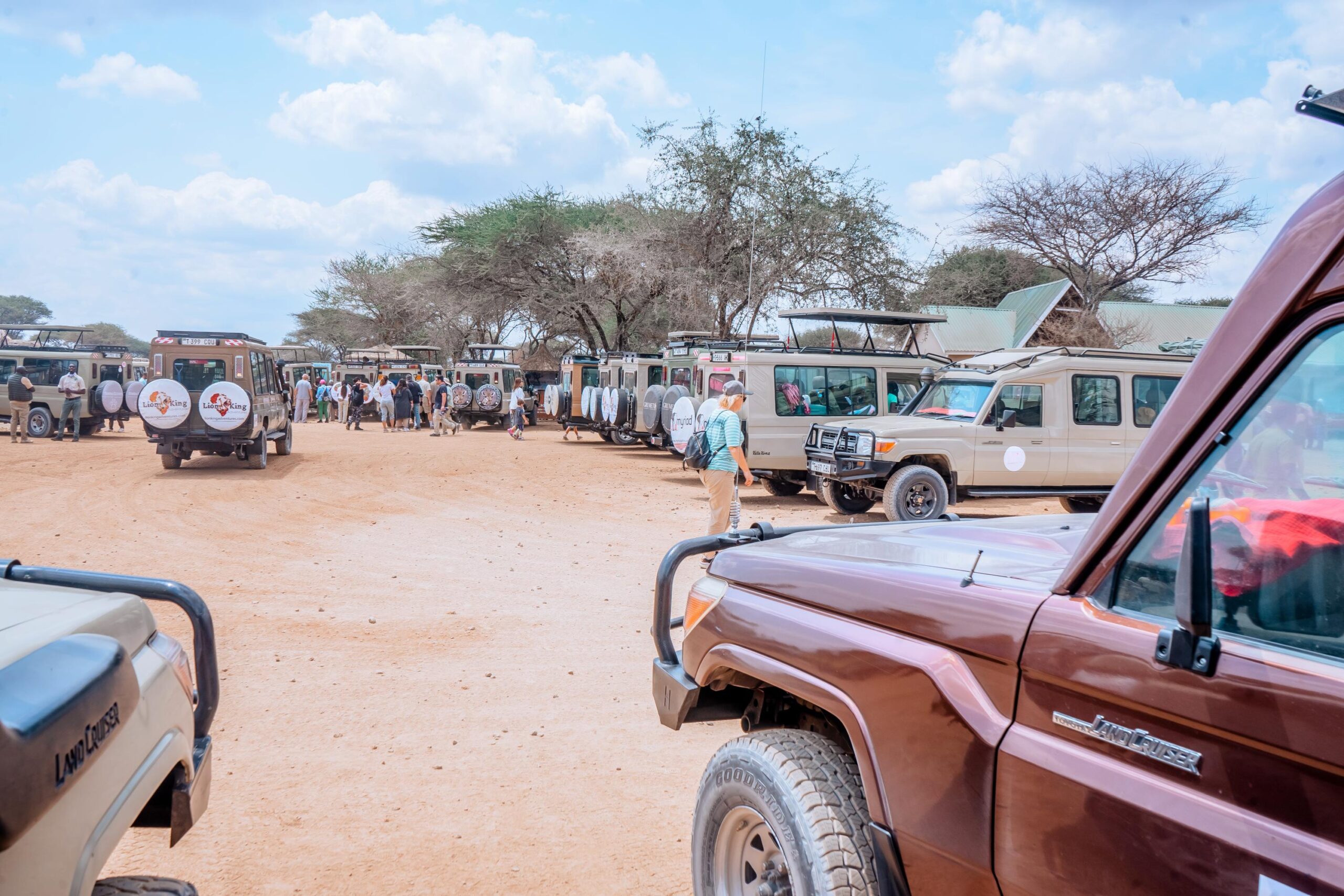
The Ultimate 8-Day Photographic Safari Overview
Tanzania is one of Africa’s leading destinations for wildlife photography. Its national parks offer a wide range of subjects, from elephants moving between ancient baobab trees to lions resting in the grasslands of the Serengeti. There are also giraffes, zebras, wildebeest, buffalo, birds of prey and many smaller species that are worth photographing when the opportunity arises.
This eight-day photographic safari is designed to give you time to explore three important wildlife areas in northern Tanzania. The journey begins in Arusha and continues to Tarangire National Park, where elephants, baobabs and woodland scenery provide excellent subjects. You then travel towards the Ngorongoro Conservation Area, including a game drive on the famous crater floor, before continuing to the Serengeti for several days of wildlife photography.
The itinerary is intended for travellers who want to use their cameras throughout the safari rather than spend most of the trip travelling between destinations. Although driving is necessary, the route allows time for game drives and opportunities to photograph wildlife, landscapes and changing conditions.
A photographic safari differs from an ordinary sightseeing trip in the amount of attention given to light, animal behaviour, composition and the time spent at suitable sightings. You may want to photograph an elephant herd for several minutes, wait for a lion to change position or remain in one area while a group of zebras moves across the plains. These opportunities depend on the animals and the conditions, but a well-planned schedule makes it easier to take advantage of them.
The itinerary includes two nights in the Tarangire area and three nights in the Serengeti. This provides time to explore each destination without having to leave after only a short visit. One night is planned in the Karatu or Ngorongoro area before the crater visit, helping to break up the journey and prepare for an early start.
The final day can be arranged as a road transfer to Arusha or a domestic flight from the Serengeti, subject to flight availability and the departure arrangements. The flight option can reduce road travel, but it requires advance confirmation of schedules, baggage allowances and onward connections.
The best time to travel depends on your photographic interests. The dry season is popular for wildlife viewing, while greener months can offer fresh landscapes and dramatic skies. The Great Migration moves through the Serengeti ecosystem throughout the year, so the most suitable location for migration photography depends on the travel dates.
This itinerary can be arranged for 2027, 2028 or 2029. Accommodation, park fees, flight schedules and other arrangements will be confirmed according to the chosen dates.
Day 1: Arrival at Kilimanjaro International Airport – Transfer to Arusha
Accommodation: Arusha lodge or hotel
Meals: Depending on arrival time and package arrangements
Main focus: Arrival, rest, camera preparation and safari briefing
Your safari begins when you arrive at Kilimanjaro International Airport. After completing immigration formalities and collecting your luggage, you will meet your transfer representative and travel to your accommodation in Arusha.
The drive generally takes around one to one and a half hours, depending on traffic, the time of arrival and the location of your hotel. Arusha is a practical starting point for exploring northern Tanzania, with road access to Tarangire, Ngorongoro and the Serengeti.
Once you reach the lodge, check in and take time to rest. International travel can be tiring, and the following days will involve early departures and long periods in the safari vehicle. Keeping the first day simple gives you time to recover before the main activities begin.
If you arrive early, you may have time to check your photography equipment. Make sure your batteries are charged, your memory cards have enough space and your camera bag is organised. If you use more than one lens, decide which equipment you are likely to need first and keep it accessible.
A telephoto lens is useful for photographing distant animals and birds. A standard zoom can be used for general wildlife photography, while a wider lens is helpful for landscapes and scenes where you want to show an animal within its surroundings.
You do not need to bring every piece of equipment you own. A practical camera kit is easier to manage in a safari vehicle and reduces the need to change lenses in dusty conditions. If you use a DSLR or mirrorless camera, check the autofocus settings and make sure you know how to adjust shutter speed and ISO before entering the parks.
During the safari briefing, your guide or representative will review the route, departure times, park procedures and accommodation arrangements. This is also the right time to discuss your photography interests.
Some travellers mainly want to photograph large mammals. Others prefer birds, landscapes, animal behaviour or a mixture of subjects. Sharing your priorities helps the guide plan the days where conditions and park regulations allow.
Your guide can provide information about the parks, help identify wildlife and suggest areas worth exploring. However, no guide can guarantee a particular animal sighting, the behaviour of an animal or perfect lighting.
If you have any special requirements, such as space for large lenses or extra camera equipment, mention them before the safari starts. This is particularly important if you plan to travel with several camera bodies, a long telephoto lens or additional photography accessories.
Photographic opportunities: If time permits, you may photograph the lodge gardens, local scenery, birds or views towards Mount Meru when the weather is clear. These are optional opportunities rather than scheduled wildlife activities.
Overnight: Arusha.
Day 2: Arusha to Tarangire National Park – Elephants and Ancient Baobab Trees
Accommodation: Lodge or tented camp in the Tarangire area
Meals: Breakfast, lunch and dinner
Main focus: Elephant photography, baobab trees, woodland wildlife and landscape composition
After breakfast, leave Arusha and drive towards Tarangire National Park. The journey normally takes around two to three hours, although the exact time depends on your accommodation, traffic, road conditions and the entrance gate used.
As you leave the town, the scenery gradually changes from busy roads and settled areas to open countryside. You will pass cultivated land, small communities and stretches of dry vegetation before reaching the Tarangire region.
Tarangire is known for its elephants, baobab trees and seasonal wildlife concentrations. The Tarangire River and other water sources attract animals during parts of the year, especially when the surrounding landscape becomes dry. The distribution of wildlife changes with rainfall, so the best areas to explore may vary between seasons.
After entering the park, begin your first game drive. Rather than travelling quickly between sightings, take time to observe the surroundings and assess the light. Your guide will use recent information and knowledge of the park to choose a suitable route.
Elephants are among the main photographic subjects in Tarangire. You may see individuals feeding, family groups walking through the woodland, calves staying close to their mothers or animals gathering near water. Each situation provides different opportunities for composition.
A close-up photograph can show the texture of an elephant’s skin, the shape of its ears or the details of its trunk. A wider image can show the herd moving through the woodland or standing beneath a large baobab tree. Both approaches are useful, and a varied collection often tells a stronger story than a series of similar portraits.
Baobabs are another distinctive feature of the park. Their thick trunks and unusual branches create striking shapes against the sky. Depending on the location and light, you may be able to photograph a single tree as a landscape subject or include wildlife to give the image a sense of scale.
When photographing elephants, pay attention to the background. An animal standing in front of a clean section of woodland may be easier to photograph than one partly hidden by branches. If your vehicle can safely and legally change position, your guide may be able to help find a better angle.
Tarangire also supports giraffes, zebras, wildebeest, buffalo, impalas, warthogs and a variety of birds. Lions and other predators live in the park, although sightings depend on the day and location.
During the game drive, look beyond the larger animals. Birdlife, tree bark, animal tracks and the patterns of dry grass can provide useful photographs that add variety to the final collection.
A lunch break will be arranged at an authorised picnic site or according to the day’s confirmed plan. Your guide will explain where you can safely leave the vehicle and which areas are restricted. Follow the instructions given at all times.
Continue exploring the park during the afternoon. As the sun lowers, the light may become warmer and shadows longer. These conditions can be useful for photographing elephants, giraffes and other animals against the grassland.
The exact route will depend on wildlife activity, road conditions and the permitted operating hours. If a sighting is particularly promising, your guide may adjust the schedule where practical.
Leave the park according to the applicable rules and travel to your accommodation. After checking in, you can recharge batteries, clean your equipment and back up your images.
Photographic opportunities: Elephant herds, baobab trees, giraffes, zebras, woodland birds and wildlife photographed in its natural habitat.
Overnight: Tarangire area.
Day 3: Full-Day Tarangire Photography Safari – Wildlife Behaviour and Natural Landscapes
Accommodation: Lodge or tented camp in the Tarangire area
Meals: Breakfast, picnic lunch and dinner
Main focus: Extended game drives, animal behaviour, bird photography and changing light
Today is dedicated to exploring more of Tarangire National Park. A second day gives you additional time to look for wildlife and return to promising areas if the conditions are suitable.
Begin early, when the temperature is usually cooler and the light may be more suitable for photography. Animals can be active during the early hours, although sightings depend on weather, location and natural behaviour.
Your guide will plan the route according to recent wildlife activity and the areas explored on the previous day. You may visit riverine habitat, open woodland or other sections of the park where conditions look promising.
For wildlife photography, observation is just as important as camera technique. When you encounter an animal, watch its behaviour before taking a large number of photographs. An elephant reaching for a branch, a giraffe feeding or a bird preparing to take flight may offer a brief opportunity that requires quick attention.
If you photograph moving animals, use a shutter speed suitable for the action. A resting elephant can often be photographed at a slower speed than a running animal or bird in flight. The appropriate setting depends on the available light, your lens and how quickly the subject is moving.
Bird photography can be rewarding in Tarangire, particularly for travellers who enjoy observing smaller details. Birds may be found around water, in trees, on open ground or moving between habitats. The species visible during your visit will depend on the season and local conditions.
When photographing birds, look for a clear view of the subject and avoid cutting off important details such as the beak or tail. A clean background can make a bird easier to see, while a wider frame can show its natural environment.
Midday light can be harsh, with strong shadows and bright highlights. Use this time for a meal break, equipment checks or photographs that suit the conditions. If you continue taking pictures, check your exposure when moving between bright open areas and shaded woodland.
Keep your camera protected when it is not in use. Dust can settle on lenses and camera bodies, particularly during dry periods. Avoid changing lenses unnecessarily in exposed areas, and use a suitable cloth or cleaning kit when needed.
During the afternoon, concentrate on building a varied set of images. Instead of photographing only animal portraits, look for interactions between members of a herd, animals moving through the landscape and scenes that show the relationship between wildlife and its surroundings.
Tarangire’s baobabs, dry grass and woodland can provide distinctive backgrounds. Try different compositions when conditions allow. A vertical image may suit a giraffe standing beneath a tree, while a horizontal frame can work better for a herd moving across an open area.
You may also photograph natural details such as tracks in the dust, branches, seed pods and the texture of the landscape. These images can be useful when presenting a wider photographic story of the park.
A picnic lunch will be arranged at an authorised site. Your guide will explain the safety procedures and the areas where visitors are permitted to stop.
Continue the game drive in the afternoon, allowing time to explore suitable areas without rushing. If wildlife activity is limited, your guide may choose a different route rather than remain in one unproductive location for too long.
Return to the lodge or camp in the late afternoon or early evening, according to park regulations and the agreed schedule. After dinner, review your images and prepare for the following day’s journey towards the Ngorongoro Conservation Area.
Photographic opportunities: Elephant behaviour, bird portraits, giraffes, wildlife interactions, woodland landscapes and natural details.
Overnight: Tarangire area.
Day 4: Tarangire to the Ngorongoro Conservation Area – Highland Scenery and Preparation for the Crater
Accommodation: Lodge or tented camp in Karatu or the Ngorongoro area
Meals: Breakfast, lunch and dinner
Main focus: Scenic travel, changing landscapes and preparation for the next game drive
After breakfast, leave Tarangire and travel towards the Ngorongoro Conservation Area. This is mainly a transfer day, although there may be opportunities to photograph the changing scenery along the route.
The drive can take several hours, depending on your accommodation, road conditions and the location of your next lodge. Allow flexibility for traffic, weather and any planned stops.
The landscape changes as you travel north. The drier woodland and baobab country around Tarangire gradually gives way to cultivated areas, greener vegetation and the highlands associated with Ngorongoro.
If you enjoy landscape photography, the journey provides opportunities to work with hills, clouds, fields and changing vegetation. The strongest photographs may come from simple compositions that show the shape of the land rather than trying to include too many details in one frame.
Any roadside stops must be safe and permitted. Ask your guide before leaving the vehicle or photographing a particular location. If you want to photograph people or community activities, request permission and respect their wishes.
Depending on the route and weather, you may have views towards the Ngorongoro highlands. Clouds and mist can cover parts of the landscape, especially during wetter periods. These conditions can reduce visibility but may also create interesting layers in a landscape photograph.
On arrival at your accommodation, check in and take time to prepare for the next day. The crater visit usually begins early, and having your equipment ready the previous evening makes the departure easier.
Check your batteries, memory cards and camera settings. Clean your lenses carefully if you have been photographing in dusty conditions. If you are carrying a long telephoto lens, make sure it is easy to access from your seat in the safari vehicle.
Discuss the following day’s arrangements with your guide. The time of departure, route and amount of time available on the crater floor will depend on park rules, permits, accommodation location and the agreed itinerary.
The Ngorongoro Crater is famous for its wildlife and dramatic scenery. The crater floor contains grasslands, woodland, wetlands and other habitats that support different species. However, animals do not remain in fixed locations, so the day’s route will be adjusted according to current conditions.
Use the evening to rest and organise your equipment. The following morning may involve cool temperatures at the crater rim, so keep a warm layer accessible.
Photographic opportunities: Highland landscapes, cloud formations, rural scenery and changing vegetation along the route.
Overnight: Karatu or Ngorongoro area.
Day 5: Ngorongoro Crater to the Serengeti – Wildlife Photography in a Remarkable Landscape
Accommodation: Serengeti lodge or tented camp
Meals: Breakfast, picnic lunch and dinner
Main focus: Crater wildlife, landscape photography and the journey into the Serengeti
Today combines a game drive in the Ngorongoro Crater with the journey towards Serengeti National Park. It is a full day, so an early departure and careful timing are important.
After breakfast, travel towards the crater descent route. The exact departure time depends on your accommodation and the arrangements confirmed for the visit.
The Ngorongoro Crater is a major highlight of northern Tanzania. Its steep walls surround a broad floor containing open grasslands, patches of woodland, wetlands and other habitats. The combination of wildlife and scenery makes it a useful location for both close wildlife portraits and wider environmental photographs.
Once on the crater floor, your guide will select a route based on the latest sightings, road conditions and the time available under the relevant permit.
You may see zebras, wildebeest, buffalo, hyenas, jackals and various bird species. Lions are also found in the crater, although their location and behaviour change from day to day. If a predator is sighted, your guide will position the vehicle according to the permitted viewing arrangements.
For photography, look for opportunities to show the animal within its environment. The open grasslands can provide clean backgrounds, while the crater walls may add depth to wider compositions.
Black rhinoceros live in the Ngorongoro area, but sightings are not guaranteed and the animals may be distant. If you encounter one, follow your guide’s instructions and maintain the required distance. A long lens may be useful, but it is important not to pressure the driver to approach too closely.
The crater can also provide opportunities for photographing birds around wetlands and other suitable habitats. The species you see will depend on water levels, weather and the time of year.
The light may change considerably during the game drive. Bright sunlight can create strong contrast on the crater floor, while clouds can soften the scene. Check your exposure when photographing dark animals against pale grass or bright sky.
A picnic lunch will be arranged at an authorised site or according to the confirmed day’s plan. Follow the safety instructions and remain in designated areas.
After the crater game drive, continue towards Serengeti National Park. This transfer can take several hours, depending on the route, wildlife stops and the location of your accommodation. The precise timing will be confirmed by your guide.
As you approach the Serengeti, the landscape opens into broad plains with scattered trees and rocky kopjes. These rock formations are a distinctive feature of the park and can provide interesting subjects for landscape photography.
Wildlife may be encountered along the route, but the priority is to reach your accommodation safely and within the required schedule. Your guide will decide where stops are practical.
The Serengeti is known for its lions, cheetahs, leopards, hyenas, elephants, giraffes, zebras, wildebeest and many other species. The number and distribution of animals vary with rainfall, season and local conditions.
If you arrive with enough daylight and the park schedule permits, you may have time for a short afternoon game drive near your camp. Otherwise, settle in, prepare your camera equipment and rest before the next full day of photography.
Photographic opportunities: Crater wildlife, grassland landscapes, birds, Serengeti plains and rocky kopjes.
Overnight: Serengeti National Park.
Day 6: Full-Day Serengeti Safari – Predators, Grazing Herds and Open Plains
Accommodation: Serengeti lodge or tented camp
Meals: Breakfast, picnic lunch and dinner
Main focus: Predator photography, wildlife behaviour, grazing animals and landscape composition
Today is dedicated to exploring the Serengeti. The park is extensive, and the most suitable area to visit depends on your camp location, travel dates and current wildlife activity.
Begin early to take advantage of the morning light and cooler temperatures. Your guide will discuss the day’s route and consider recent sightings when deciding where to go.
The Serengeti supports a wide variety of wildlife. Lions may be seen resting, walking through the grass or interacting with other members of their group. Cheetahs are more often associated with open areas where they can see across the plains, while leopards can be difficult to locate because they often remain concealed in trees or thick vegetation.
No particular sighting can be guaranteed, but your guide will use local knowledge to look for suitable opportunities.
If you encounter lions, take time to observe the scene before choosing your composition. A close portrait can show facial detail, while a wider photograph may reveal the landscape and the relationship between the animals.
Predators often spend long periods resting. Do not assume that a quiet sighting is a wasted opportunity. An animal lying in the grass can still provide a strong portrait, and changes in posture or interaction may create different images over time.
Cheetahs may be seen scanning the plains, walking or resting in the shade. If you encounter one, be prepared for changing conditions but do not expect a hunt. Most sightings do not involve dramatic action, and the opportunity to photograph a cheetah in its natural environment is valuable in itself.
Leopards are often harder to find. If one is located, the animal may be partly hidden by branches or foliage. Work with the available angle and light rather than expecting a clear, unobstructed view.
The Serengeti is also home to large herds of wildebeest, zebras and gazelles. Depending on the season, these animals may be spread across the plains or gathered in larger groups.
When photographing herds, try both wide and close compositions. A wide image can show the scale of the landscape, while a tighter frame may reveal patterns, interactions and individual animals within the group.
If the Great Migration is passing through the area, your guide may spend time following herd movement where conditions allow. The migration’s location changes during the year, and river crossings cannot be guaranteed. Do not plan the success of the entire safari around a single event.
Bird photography can add variety to the day. Depending on the habitat, you may see raptors, vultures, ground-dwelling birds and species around water or woodland. Ask your guide about unfamiliar birds and make a note of the species when identification is possible.
A picnic lunch will be arranged during the game drive. The location and timing will depend on the route and the day’s conditions.
During the afternoon, continue exploring areas suited to your interests. If you have already photographed several large mammals, look for environmental portraits, animal tracks, birds and wider landscapes.
The Serengeti’s open plains can be challenging to photograph because there may be little foreground detail. Use grass, trees, rocks or distant ridges to add structure where possible. When photographing an animal looking or moving in a particular direction, leaving some space in front of it can make the composition feel more natural.
As the light changes, look for opportunities to photograph animals against warmer-coloured grass or the shapes of distant trees. Dust may be visible around moving herds, but its appearance depends on weather and ground conditions.
Return to your camp according to the permitted schedule. After dinner, back up your photographs and prepare for the next day’s game drive.
Photographic opportunities: Lions, cheetahs and leopards if encountered, grazing herds, birds, kopjes and open landscapes.
Overnight: Serengeti National Park.
Day 7: Serengeti Photography Safari – A Second Day to Capture the Details
Accommodation: Serengeti lodge or tented camp
Meals: Breakfast, picnic lunch and dinner
Main focus: Extended wildlife viewing, repeat sightings, birdlife and changing light
Your second full day in the Serengeti gives you more time to explore without needing to move to another destination. This is particularly useful for photographers because the best opportunities do not always happen during the first encounter.
Start early and discuss the day’s plan with your guide. If you found a promising area on Day 6, you may decide to return if recent information suggests it is worth exploring again. Alternatively, your guide may recommend a different route based on wildlife activity.
The advantage of spending several nights in one region is that you can explore at a more considered pace. Rather than travelling long distances to see as many places as possible, you can concentrate on the conditions and subjects available around your camp.
If you are interested in predator photography, continue looking for lions, cheetahs, leopards and hyenas. Watch for natural behaviour, such as animals interacting, resting together, walking through the grass or responding to nearby wildlife.
A photograph does not need to show dramatic action to be successful. The expression of an animal, the shape of its body against the landscape or the relationship between a parent and its young can be equally meaningful.
For bird photography, pay attention to the position of the bird and the background. A bird perched against open sky may be easier to isolate than one surrounded by branches. If the bird is part of a larger scene, a wider frame can help show its habitat.
This day is also useful for improving the variety of your landscape photographs. The Serengeti’s appearance changes with weather and light. Early morning may bring long shadows and soft colours, while later hours can create stronger contrast. Clouds can add texture to the sky and help make a wide landscape more interesting.
When photographing a single animal, consider how much of the surroundings should be included. A tight portrait can highlight detail, while an environmental photograph can show the animal’s relationship with the plains, trees or rocky outcrops.
Use the time between sightings to review your camera settings and check your equipment. Clean lenses when needed, monitor battery levels and make sure memory cards are not becoming full.
During the midday break, take time to rest and review the images from the previous two days. You may notice that certain types of photographs are missing from your collection. For example, you may have plenty of close-up animal portraits but few wider landscape images, or you may have photographed many mammals but very few birds.
Use the afternoon to address these gaps where conditions permit. This does not mean ignoring wildlife opportunities that arise naturally. Instead, it gives you a clear idea of the variety you want to achieve by the end of the trip.
If migration herds are in the region, your guide can help you look for suitable locations. Their movement is influenced by rainfall and grazing, so exact locations and timing cannot be promised. Large herds may be visible in one area while other parts of the park contain more scattered groups.
Even without a major migration event, the Serengeti offers plenty of potential subjects. Elephants, giraffes, zebras, antelopes, predators, birds and changing landscapes all contribute to the photographic experience.
Return to your accommodation in the late afternoon or early evening, according to the agreed schedule. This is your final night in the Serengeti, so take time to organise your equipment and prepare for departure.
Back up your photographs before packing your camera equipment. If you are flying from the Serengeti the next day, confirm the departure time, airstrip transfer and baggage allowance with your operator.
Photographic opportunities: Wildlife portraits, animal behaviour, birds, herd movement, landscapes and repeat encounters in changing light.
Overnight: Serengeti National Park.
Day 8: Serengeti to Arusha – Final Wildlife Views and Departure
Meals: Breakfast, with additional meals according to the confirmed arrangements
Main focus: Departure logistics and final photographic opportunities
After breakfast, begin the return journey from the Serengeti. The arrangements depend on your onward flight, the location of your accommodation and whether you choose to travel by road or by domestic aircraft.
Option 1: Return to Arusha by Road
If you choose the road transfer, leave early enough to allow for the distance, road conditions and any planned stops. The journey can take much of the day, depending on your starting point and route.
There may be opportunities to photograph landscapes or wildlife along the way, but these should not interfere with the transfer schedule. Your guide will advise where stops are possible and appropriate.
Road transfers can be affected by weather, traffic and the condition of the route. If you have an international flight on the same day, the departure schedule must be checked carefully. A tight connection should not be based on an optimistic road travel estimate.
On arrival in Arusha, you can be transferred to your hotel or to Kilimanjaro International Airport, according to the arrangements confirmed before departure.
Option 2: Fly from the Serengeti
A domestic flight can reduce the amount of road travel and may be more suitable if you have a limited amount of time. Flights operate from selected airstrips, subject to the route and schedule available for your dates.
Your operator will confirm the flight details, transfer to the airstrip and any baggage restrictions. Small aircraft often have strict luggage limits, and camera equipment may count towards the total weight.
Soft-sided luggage is commonly required because it is easier to fit into the aircraft’s luggage compartment. However, the exact rules depend on the airline, so confirm the current baggage allowance before packing.
If you are connecting to an international flight, check the arrival airport and allow sufficient time for transfers and check-in. Do not assume that a domestic flight will connect directly with an international departure unless the timings have been confirmed.
If the schedule permits, you may have a short final game drive before leaving the park. This depends on the departure time, airstrip location and park regulations, so it should not be treated as a guaranteed activity.
Your safari ends at the agreed drop-off point. If you are staying in Tanzania for additional nights, an extension can be arranged separately, subject to availability.
Photographic opportunities: Final landscape and wildlife photographs where time and conditions permit.
End of safari: Arusha, Kilimanjaro International Airport or another agreed destination.
Best Time to Take a Tanzania Photographic Safari
Tanzania offers wildlife photography throughout the year, but each season brings different conditions. The best dates depend on your main subjects, preferred landscape colours and willingness to travel during wetter months.
June to October: The Dry Season
The dry season is a popular time for wildlife viewing in northern Tanzania. In some areas, vegetation becomes less dense and animals may gather around remaining water sources.
These conditions can make wildlife easier to locate, although sightings still depend on the area and day. Tarangire can be particularly rewarding during drier periods when animals use the river and nearby water sources.
The Serengeti also attracts many visitors during these months. The Great Migration moves through different regions of the ecosystem, and certain areas may offer opportunities to photograph large herds or river crossings. The location of the herds changes, and a crossing cannot be guaranteed on a particular day.
Dry-season conditions may create golden grass, dusty roads and strong sunlight. These can produce distinctive photographs, but they can also make equipment protection important.
June to October is a busy travel period. If you want to stay at a specific camp or visit during school holidays, book as early as practical.
November to December: The Short Rains
The short rains can bring fresh growth and changing colours to the landscape. Rainfall varies, and some days may be dry while others experience showers.
Green vegetation can provide a different background from the dry-season plains. Clouds may add interest to landscape photographs, and the changing weather can create opportunities for atmospheric images.
Rain may also affect road conditions and visibility. Protect your camera equipment and remain flexible if the guide needs to adjust the route.
January to March: Calving Season in Parts of the Serengeti
During parts of the early year, large numbers of wildebeest gather in the southern Serengeti and surrounding areas, depending on rainfall and grazing conditions. Calving activity can provide opportunities to photograph young animals, herd behaviour and predators.
The exact timing and location vary. If calving-season photography is your main priority, the itinerary should be planned around the expected location of the herds and the latest seasonal information.
April to May: The Long Rains
The long rains can bring greener landscapes, dramatic clouds and fewer visitors in some areas. However, rainfall can be heavy, and certain roads may become difficult to navigate.
This season can appeal to photographers who enjoy landscapes and changing weather. It may be less suitable for travellers who prefer dry roads and more predictable transfer times.
Accommodation availability and route options should be checked carefully because some properties operate seasonally.
Choosing Your Travel Dates
There is no single month that guarantees the best photographs. June to October often suits travellers who prioritise dry-season wildlife viewing, while January to March may appeal to those interested in calving activity in the southern Serengeti.
For 2027, 2028 or 2029, the most suitable dates depend on your photographic interests, budget, preferred accommodation and flexibility.
The Ultimate 8-Day Photographic Equipment to Bring
You do not need to carry every piece of equipment you own. A practical kit is easier to manage in the vehicle and helps reduce the risk of dust entering the camera when changing lenses.
Camera Body
A DSLR or mirrorless camera with reliable autofocus is useful for wildlife photography. A camera that performs well at higher ISO settings can help in low light, particularly during early mornings and in shaded woodland.
A compact camera or smartphone can also be useful for landscapes and closer subjects. However, distant animals may be difficult to photograph in detail without an optical zoom.
Telephoto Lens
A telephoto lens is one of the most useful tools for a wildlife photographer. A lens in the approximate 100–400 mm or 150–600 mm range may be suitable, depending on your camera system and interests.
Longer lenses are helpful for distant subjects and birds, but they can be heavy. Choose equipment that you can handle comfortably for several hours.
Standard Zoom Lens
A standard zoom is useful for general photography, environmental portraits and scenes where the surrounding landscape is important.
It can also reduce the need to change lenses frequently, which is helpful in dusty conditions.
Wide-Angle Lens
A wide-angle lens can be useful for landscapes, dramatic skies, large herds and photographs that show an animal within its habitat.
It may be particularly useful for Tarangire’s baobabs and the open plains of the Serengeti.
Batteries and Memory Cards
Bring enough batteries for a full day of photography. Charging facilities depend on the accommodation, so confirm the arrangements before departure.
Carry sufficient memory cards and consider backing up your photographs each evening. A laptop or portable storage device can help you maintain a second copy of important images.
Dust and Rain Protection
Dust is common on safari roads, particularly during the dry season. Keep your camera in a padded bag when not in use and protect lenses during transfers.
A rain cover is useful during wetter months. Microfibre cloths and a suitable lens-cleaning kit can help remove dust and marks from equipment.
Camera Support
A beanbag can provide support for a long lens on a suitable vehicle window or other permitted surface. Ask your operator about the vehicle design before travelling.
A tripod may be useful for landscape photography outside the vehicle where permitted, but it is not always practical during ordinary game drives.
Practical Photography Tips
Pay Attention to Light
Light can make a significant difference to a photograph. Early morning and late afternoon often provide softer conditions and longer shadows, while midday can create strong contrast.
Side lighting can reveal texture, and backlighting can create silhouettes or show dust around moving animals. Overcast weather can also be useful for portraits because the light may be softer.
Observe Before Taking the Photograph
When you encounter wildlife, take a moment to watch the animal before pressing the shutter. Look for changes in posture, movement and interactions with other animals.
This can help you anticipate what may happen next. A bird preparing to fly or an elephant reaching for a branch may provide a brief opportunity.
Check the Background
A strong subject can be weakened by a distracting background. If the vehicle can safely and legally change position, ask your guide whether another angle is possible.
A small change in viewpoint may separate the animal from a tree or place it against a cleaner background. If the position cannot be changed, consider a wider composition that deliberately includes the surroundings.
Use a Suitable Shutter Speed
Different subjects require different shutter speeds. A resting animal may be photographed at a moderate speed, while a running animal or bird in flight usually needs a faster one.
Adjust ISO and aperture according to the available light. Review images when practical to check that the important details are sharp.
Take Both Close and Wide Photographs
A close portrait can reveal texture and expression, while a wide image can show the landscape and the animal’s place within it.
A varied collection is more useful than a large number of photographs that all look alike. Try to include animal behaviour, landscapes, birds and environmental details where opportunities arise.
Respect Wildlife
Never ask a driver to chase animals, block their path or disturb a group for a photograph. Follow park regulations and your guide’s instructions.
Remain in the vehicle where required and do not approach animals on foot in prohibited areas. The welfare of wildlife should always come before the photograph.
Accommodation During the Safari
Accommodation will be selected according to your budget, travel dates and preferred level of comfort. Location is particularly important on a photographic safari because it affects travel time and access to the parks.
Mid-Range Lodges and Tented Camps
Mid-range properties are suitable for travellers who want comfortable rooms or tents, meals and a convenient base for game drives.
For photographers, useful facilities may include secure rooms, charging points and enough space to organise camera equipment. Confirm the facilities with the selected property before booking.
Luxury Lodges and Camps
Luxury properties may offer larger rooms, additional facilities, private decks and more extensive dining options. Facilities vary from one property to another.
A higher accommodation category does not guarantee better wildlife sightings. The location, season and time spent in the field remain important.
Budget Accommodation
Travellers with a tighter budget may prefer simpler lodges or camping arrangements where available. Facilities, privacy and comfort levels can vary, so the exact arrangements should be discussed before booking.
If you are travelling with expensive photography equipment, consider security, charging facilities and the practicality of storing your gear.
Choosing the Right Location
The final accommodation plan should consider driving distances, access to the preferred wildlife areas, seasonal animal movements and the daily schedule.
For travel in 2027–2029, early booking is recommended if you want a specific camp or plan to travel during the busiest months.
Transport and Guide Arrangements
A private 4×4 safari vehicle is recommended for this itinerary, especially if photography is the main purpose of the trip.
A private vehicle allows more flexibility when planning game drives and gives you the opportunity to discuss photographic interests directly with your guide. However, time at sightings remains subject to wildlife behaviour, park regulations and the daily schedule.
Before booking, confirm the vehicle type, passenger capacity, seating arrangement, roof design, window access and available space for camera equipment.
A knowledgeable guide can help identify wildlife, interpret animal behaviour and choose routes based on current conditions. If you want specialist photography support, ask whether a photographic guide is available and whether an additional fee applies.
If you are carrying large lenses, several camera bodies or other equipment, tell the operator in advance. This helps ensure the vehicle arrangement is practical for your needs.
Road transfers between destinations can take several hours. Travel times depend on road conditions, weather, traffic, accommodation location and any stops made along the way.
If you prefer to fly from the Serengeti, the itinerary can be adjusted where suitable scheduled or charter flights are available. Flight times, airstrip transfers and luggage restrictions must be checked for your travel dates.
Meals and Drinking Water
Meals are arranged according to the selected accommodation and package. A typical safari includes breakfast and dinner at the lodge or camp, with packed lunches or picnic meals during full-day game drives.
The final arrangement should be confirmed in writing. Some properties include all meals, while other packages may have different conditions.
Inform the operator of any dietary requirements before arrival. Special meals may be available, but this should be confirmed with the accommodation providers.
Carry drinking water during game drives and follow your guide’s advice about refilling bottles. The amount you need depends on the temperature, the length of the game drive and your personal needs.
Keep water and small personal items accessible without allowing them to interfere with your camera equipment.
The Ultimate 8-Day Photographic What Is Included?
The following services can be included in a package arranged by Summer Winter Adventures. The final quotation should state exactly which services are covered.
- Airport transfers as specified in the itinerary.
- Private 4×4 safari vehicle and professional driver-guide.
- Fuel and transport for the agreed route.
- Park entry and conservation fees listed in the quotation.
- Applicable Ngorongoro Crater fees.
- Seven nights of accommodation according to the selected package.
- Meals as stated in the confirmed itinerary.
- Game drives in Tarangire, Ngorongoro and the Serengeti.
- Drinking water during game drives, if specified.
- Government taxes and levies included in the final quotation.
- Pre-safari briefing and assistance with practical arrangements.
The final inclusion list should be checked against the actual booking. Park fees, accommodation rates and package conditions can change, so the quotation for your travel dates should take priority over general website information.
The Ultimate 8-Day Photographic What Is Not Included?
Unless specifically stated in the final quotation, the following expenses are generally excluded:
- International flights to and from Tanzania.
- Visa fees and travel documentation costs.
- Travel insurance and medical cover.
- Personal expenses such as laundry and souvenirs.
- Tips for the driver-guide and lodge staff.
- Additional hotel nights before or after the safari.
- Optional activities not listed in the itinerary.
- Camera equipment, photography accessories or equipment hire.
- Private photography instruction unless booked.
- Domestic flights or charter flights not specified in the package.
- Extra baggage charges and luggage handling costs.
- Additional services requested after the booking has been confirmed.
Before paying a deposit, request a written quotation showing the total price, inclusions, exclusions, payment schedule, cancellation terms and any conditions that may affect the final cost.
Important Planning Notes for 2027–2029
Book Early for Popular Travel Months
Accommodation in popular safari areas can fill quickly, particularly during the dry season. If you want a specific camp or prefer a particular location for seasonal wildlife photography, begin planning well in advance.
The amount of advance notice needed depends on your travel dates, accommodation category, group size and flexibility.
Confirm Park Rules and Fees
Park regulations, conservation fees and other charges can change. The final itinerary should use the applicable rules and fees for the actual travel dates.
Your guide will explain the rules for vehicle movement, wildlife viewing, picnic sites and permitted activities.
Prepare for Early Starts
Photographic safaris often begin early to take advantage of cooler temperatures and morning light. Expect some early breakfasts and long days in the vehicle.
If you need a more relaxed pace, discuss this before booking. The route can sometimes be adjusted, although the available time and park regulations will still apply.
Protect Your Equipment
Dust, vibration, heat and occasional rain can affect camera equipment. Use a padded bag, protect lenses when they are not in use and avoid changing lenses unnecessarily in dusty conditions.
Consider equipment insurance that covers accidental damage, loss and theft during travel.
Check Flight and Luggage Arrangements
If you choose a domestic light aircraft flight, confirm the operator’s baggage allowance and permitted bag dimensions. Weight limits can be strict, and camera equipment may count towards the total.
Do not assume that your international airline’s baggage allowance also applies to a small domestic aircraft.
Keep Expectations Realistic
A photographic safari cannot guarantee particular animals, animal behaviour or ideal lighting. Wildlife moves naturally, and weather can change quickly.
The best approach is to plan the route carefully, allow sufficient time in the parks and remain open to different photographic opportunities.
Responsible Wildlife Photography
Responsible photography is an important part of a well-planned safari. Wildlife welfare and visitor safety should always come before the photograph.
Follow your guide’s instructions, remain in the vehicle where required and keep a respectful distance from animals. Never encourage a driver to move too close, block an animal’s movement or disturb a group to improve a photograph.
Do not feed wildlife, make loud noises to attract attention or use methods intended to provoke a reaction. Natural behaviour is more valuable than an image created by disturbing an animal.
If you photograph local people or community activities, ask permission and respect their decision. Do not assume that someone has agreed to be photographed simply because they are part of a tourism experience.
Choose responsible accommodation and service providers where possible. You can ask how they manage waste, support staff and work with local communities.
Is This Safari Suitable for Beginner Photographers?
Yes. The itinerary is suitable for beginners as well as experienced photographers.
You do not need professional equipment or advanced technical knowledge to enjoy the trip. A camera with a suitable zoom lens can produce good wildlife photographs, and a smartphone can be useful for landscapes and closer subjects.
Beginners may benefit from concentrating on a few simple principles: keep the subject in focus, use an appropriate shutter speed, pay attention to the background and observe animal behaviour before taking the photograph.
More experienced photographers can work on action photography, environmental portraits, bird photography and different approaches to composition.
If you want structured photography instruction, ask about arranging a specialist guide or private photography support. Availability and additional costs should be confirmed before booking.
Can the Safari Be Customised?
Yes. The route can be adjusted according to your travel dates, budget, accommodation preferences and photographic interests.
If elephants and baobab trees are your main priority, you may want to spend more time in Tarangire. If your main goal is migration photography, the Serengeti region and travel dates should be selected according to expected seasonal herd movement.
Bird photographers may prefer to focus on habitats that suit the species they want to see. Travellers interested in landscapes may prefer additional time for changing weather and light.
The itinerary can also be adjusted for couples, small private groups and families with older children. Any changes should take account of driving distances, accommodation availability and the time needed to move between parks.
Adding too many destinations to an eight-day trip can reduce the time available for photography. It is often better to focus on a smaller number of areas and explore them properly rather than spend most of the journey travelling.
Frequently Asked Questions
1. How much does the eight-day photographic safari cost?
The cost depends on your travel dates, group size, accommodation category, vehicle arrangements, park fees and any domestic flights. A private safari for two people will have a different per-person price from a larger group sharing a vehicle.
A detailed quotation can be prepared for your preferred dates in 2027, 2028 or 2029.
2. Which parks are included?
The main destinations are Tarangire National Park, the Ngorongoro Conservation Area and Serengeti National Park. The final route may be adjusted according to accommodation, travel dates and departure arrangements.
3. Will I see the Great Migration?
The Great Migration moves through the Serengeti ecosystem according to seasonal rainfall and grazing conditions. The location of the herds changes throughout the year, and sightings cannot be guaranteed.
If migration photography is your main priority, the travel dates and camp location should be selected around the expected seasonal movement.
4. Can I photograph lions and leopards?
Both species live in northern Tanzania, but sightings are not guaranteed. Lions may be easier to locate in some areas, while leopards can be more difficult to find because they often remain concealed in trees or vegetation.
Your guide will use current information and knowledge of the area to look for wildlife.
5. Is a private safari vehicle recommended?
Yes. A private vehicle is useful for photographers because it gives you more control over the pace of the game drive and allows you to discuss your interests with the guide.
Confirm the vehicle layout and available space for your equipment before booking.
6. Do I need professional camera equipment?
No. Professional equipment is not essential. A capable camera with a suitable zoom lens can produce good wildlife photographs, while smartphones can be useful for landscapes and closer subjects.
Observation, patience and suitable light are important regardless of the camera you use.
7. Are early morning game drives included?
The itinerary is designed around early starts where practical and permitted. Exact departure times depend on your accommodation, park rules, route and current conditions.
Your guide will confirm the daily schedule.
8. Can I travel alone?
Yes. Solo travellers can request this itinerary. However, the per-person cost may be higher because vehicle, guide and other fixed costs are shared by fewer people.
The quotation should explain the solo-traveller rate and any single-room supplement.
9. Can couples book this safari?
Yes. Couples can book a private safari and select accommodation according to their budget and preferred comfort level.
10. Is the safari suitable for families?
It may suit families with older children who are comfortable with early mornings and extended periods in a vehicle. The suitability depends on the children’s ages, interests and any applicable accommodation or activity restrictions.
A family itinerary can be adjusted to provide a more flexible pace.
11. What should I pack?
Pack comfortable clothing, a warm layer for early mornings, a hat, sunglasses, sunscreen, suitable footwear and any personal medication you need.
For photography, bring your camera, lenses, batteries, memory cards, chargers, a camera bag and equipment for cleaning and protecting your gear.
12. Can I charge camera batteries at the lodges?
Charging facilities depend on the property. Many lodges and camps provide charging options, but power availability and socket types can vary.
Bring suitable chargers and adapters, and confirm arrangements with your accommodation provider before departure.
13. How many nights will I spend in the Serengeti?
The suggested itinerary includes three nights in the Serengeti: the nights after Days 5, 6 and 7. This provides an arrival afternoon where time permits and two full days for photography.
Additional nights may be added if you want more time in the park or wish to plan around seasonal wildlife movements.
14. Can I include a hot-air balloon safari?
A hot-air balloon safari may be available in selected Serengeti areas, depending on the season and operator. It normally involves an additional cost and an early departure.
Balloon flights have their own safety requirements and camera-access limitations. Availability and the current arrangements should be checked before booking.
15. Can I fly back from the Serengeti instead of driving?
Yes, where suitable scheduled or charter flights are available. The best option depends on your travel dates, departure airport, luggage, budget and onward flight schedule.
The flight details, airstrip transfer and baggage allowance must be confirmed before the itinerary is finalised.
Book Your Extraordinary Tanzania Photographic Safari for 2027–2029
Tanzania offers much more than a checklist of wildlife sightings. Its landscapes, changing light and animal behaviour create opportunities for photographers to tell a story about the natural world.
This eight-day safari combines Tarangire’s elephant country and baobab trees, the distinctive landscape of the Ngorongoro Crater and the open plains of the Serengeti. It provides time to photograph large mammals, birds, animal interactions and the surroundings that make each destination different.
The route is planned to balance game drives with the travel needed between parks. It can be adapted to suit your preferred travel month, accommodation budget, camera equipment and main photography interests.
For travel in 2027, 2028 or 2029, early planning is recommended if you want specific camps or intend to travel during the busiest wildlife-viewing months. Final arrangements should be based on confirmed accommodation, current park fees, road conditions and available flight schedules.
Contact Summer Winter Adventures to request a quotation for the Ultimate 8-Day Tanzania Photographic Safari. Share your preferred dates, number of travellers, accommodation category and photography interests so the itinerary can be planned around your needs.
Whether you are photographing an elephant herd in Tarangire, observing wildlife on the Ngorongoro Crater floor or working with the wide horizons of the Serengeti, the aim is to give you enough time to observe, compose and capture the moments that matter to you.
With a well-planned route, suitable equipment and realistic expectations, these eight days can provide a rewarding wildlife photography experience in northern Tanzania.
For more information contact https://summerwinteradventures.com/
