
Although smaller than many other parks in Northern Tanzania (around 330 sq km of which 200 sq km is lake when water levels are high), Lake Manyara is renowned for its extraordinary diversity of ecosystems, wildlife, and bird species. It serves as an excellent introduction to Tanzania’s safari circuit.
Nestled at the base of the Great Rift Valley escarpment, just 126 km (about 2 hours’ drive) from Arusha, Lake Manyara National Park is a lush, compact park offering a rich mix of landscapes and wildlife in a small but diverse area.
Lake Manyara: An alkaline lake that attracts birdlife but is inhospitable to most fish species.
The Great Rift Valley Escarpment: A stunning backdrop to the park, providing panoramic views of the valley and lake.
Maji Moto Hot Springs: Geothermal springs with bubbling, warm waters that make for a fascinating stop.
Groundwater Forests: Lush evergreen forests fed by underground springs, home to a variety of birds and mammals.
Treetop Canopy Walk: The first treetop walkway in Tanzania offers a bird’s-eye view of the forest canopy and is perfect for those looking for a unique adventure.
Lake Manyara offers a range of activities for every type of traveler:
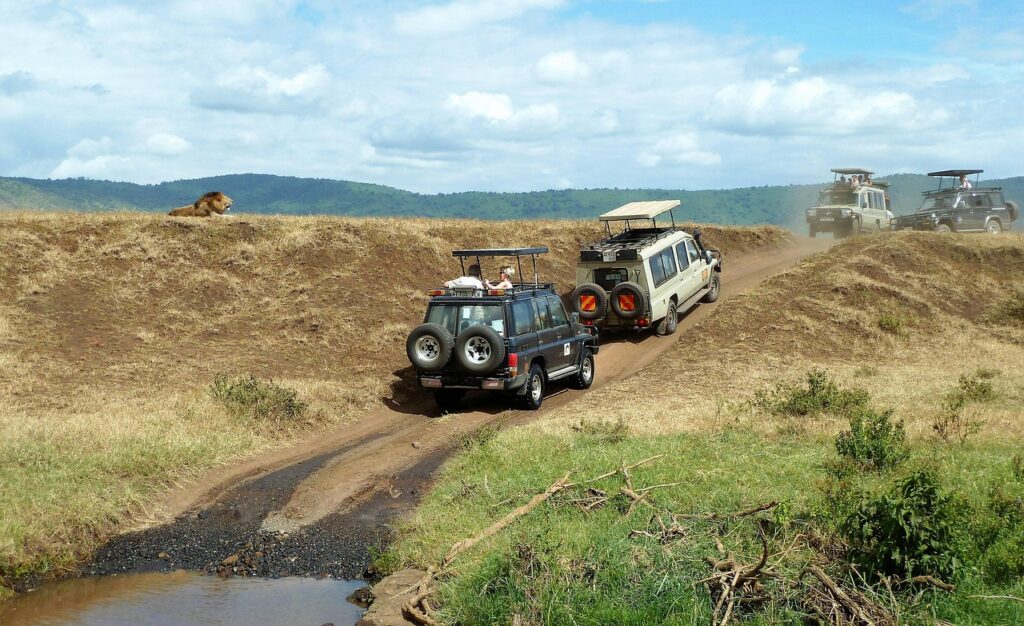
Game Drives: Morning and afternoon game drives through diverse habitats, from forests to open grasslands.
Birdwatching: A haven for birders, especially in the wet season when migratory species arrive.
Cultural Tours: Visit the nearby village of Mto wa Mbu and experience the local culture, markets, and Maasai heritage.
Canoeing Safaris: In the wet season, you can explore the lake by canoe (when water levels permit).
Treetop Canopy Walk: A thrilling way to experience the park’s lush forests from above.
Walking Safaris: Take a guided walk to learn more about the ecosystem and smaller wildlife.
The park is also a great place to visit during the shoulder seasons, when wildlife is still plentiful, and the crowds are minimal.
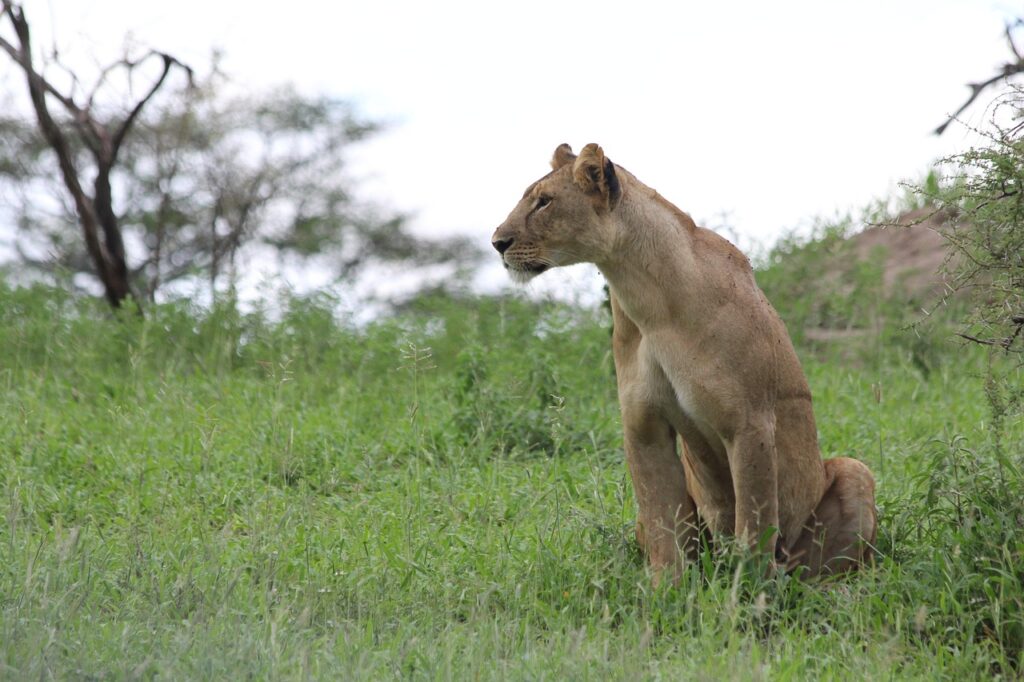
Lake Manyara is most famous for its tree-climbing lions, which are a rare and unique sight. It is also known for its vibrant birdlife, including thousands of flamingos, and its stunning views of the Great Rift Valley escarpment.
Dry Season (June to October): Ideal for wildlife viewing, especially large animals like elephants, giraffes, and zebras, as they gather near the water sources.
Wet Season (November to May): Best for birdwatching, with migratory birds and lush, green landscapes. It’s also less crowded during this time.
A day trip is ideal for exploring Lake Manyara, but if you want to experience the park in-depth, a 2-night stay would give you ample time for game drives, cultural tours, and a visit to the treetop canopy walkway.
Tree-climbing lions
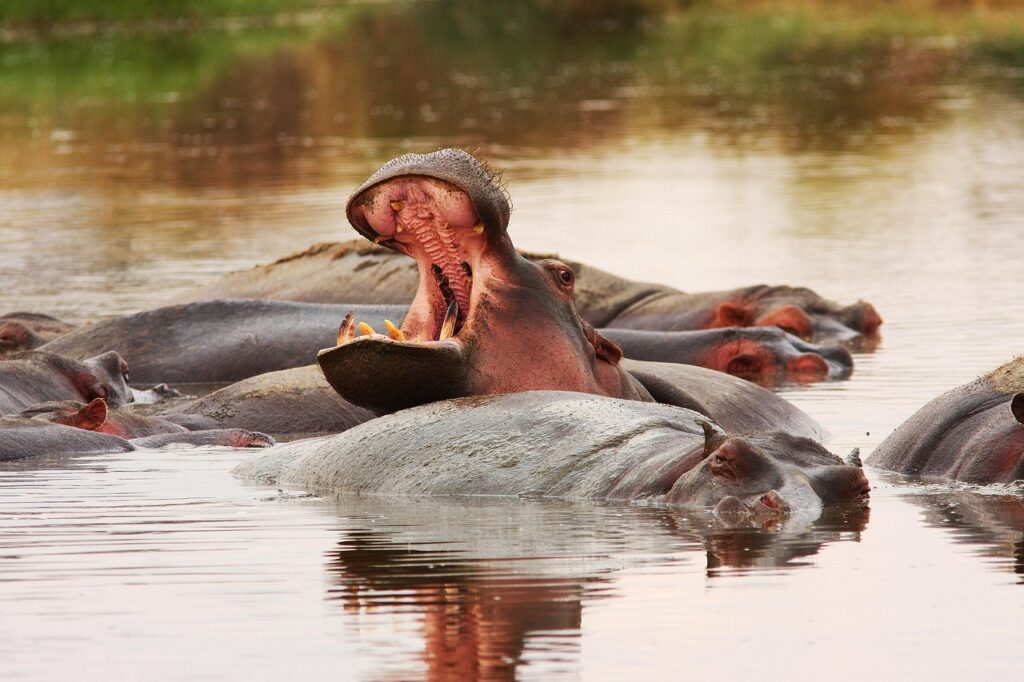
Elephants, giraffes, zebras, warthogs, and hippos
Over 400 species of birds, including flamingos, pelicans, and hornbills
Baboons, monkeys, and other primates
Leopards and hyenas (rarely spotted)
Lake Manyara National Park is one of Tanzania’s most diverse and scenic wildlife destinations. Nestled at the base of the Great Rift Valley escarpment, the park offers a remarkable variety of ecosystems in a relatively small area — ranging from groundwater forests to acacia woodlands, open grasslands, swamps, and the soda lake itself.
Tree-climbing lions (rare behavior!)
Elephants (often seen in large families)
Buffalos
Hippos (especially near the lake)
Giraffes
Zebras
Warthogs
Waterbucks
Bushbucks
Impala
Klipspringers
Dik-diks
Blue monkeys
Vervet monkeys
Olive baboons (in very large troops)
Start planning your dream safari to Lake Manyara today with Summer Winter Adventures! Whether you’re interested in a relaxing game drive, a thrilling tree-top walk, or cultural immersion, we offer personalized safari packages to suit every type of traveler.
