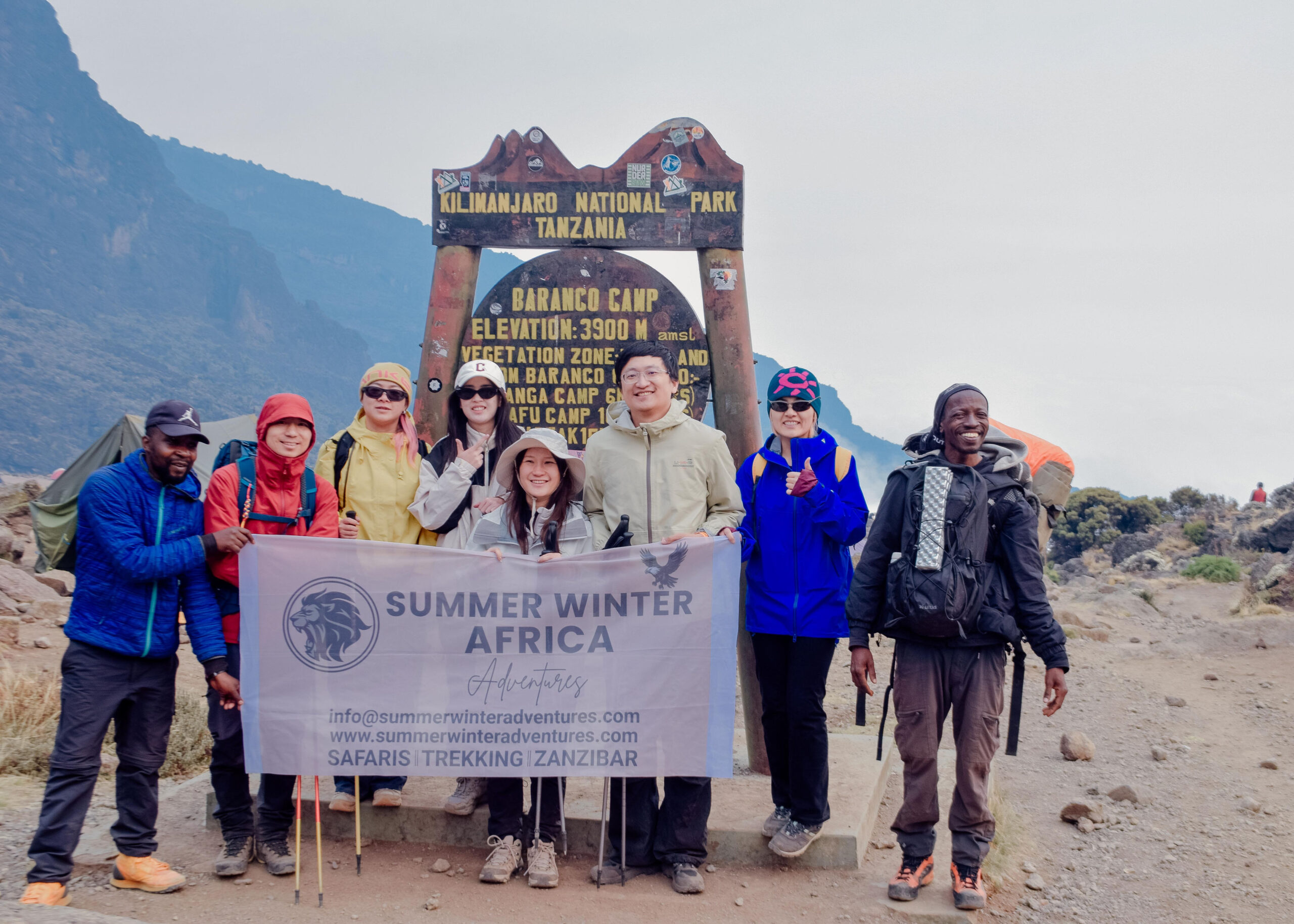
Experience the adventure of climbing Africa’s highest mountain with our Best Ultimate 7 Days Rongai Route Kilimanjaro Climbing 2027, 2028 & 2029 package. This exciting trekking adventure takes you through the beautiful northern slopes of Mount Kilimanjaro, offering peaceful trails, spectacular mountain scenery, and the opportunity to reach Uhuru Peak at 5,895 meters above sea level.
The 7 Days Rongai Route is one of the most scenic ways to climb Mount Kilimanjaro. Unlike other popular routes, Rongai approaches the mountain from the northern side, close to the Kenya–Tanzania border. It is known for its quieter trails, gradual ascent, and beautiful wilderness landscapes.
This route is suitable for travelers looking for a less crowded Kilimanjaro climbing experience. The seven-day itinerary provides additional time for altitude acclimatization compared with the shorter six-day option, helping climbers adjust to the mountain environment.
With Summer Winter Africa Adventures, you will climb Mount Kilimanjaro with professional mountain guides, experienced porters, and a dedicated support team. Our team will assist you throughout the journey, from the first day of trekking to your final descent.
Whether you are planning to climb Kilimanjaro in 2027, 2028, or 2029, the seven-day Rongai Route offers a rewarding adventure through some of Tanzania’s most beautiful mountain landscapes.
Overview of the 7 Days Rongai Route Kilimanjaro Climbing
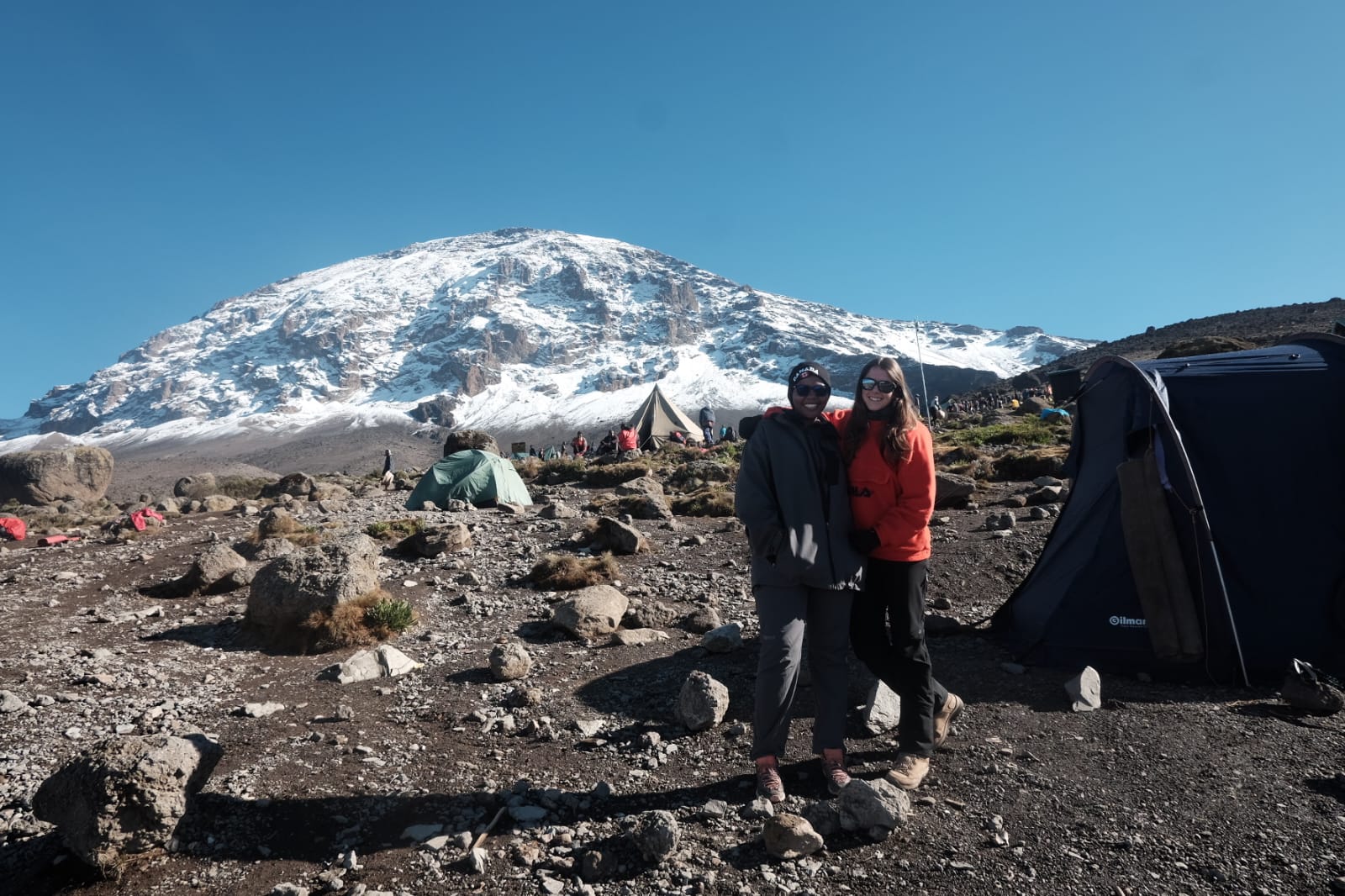
The Rongai Route begins on the northern side of Mount Kilimanjaro and follows a gradual trail through forests, moorlands, alpine desert, and high-altitude mountain terrain.
During the climb, you will enjoy beautiful views of Mawenzi Peak, Kibo, and the surrounding landscapes. The route eventually joins the Marangu descent trail, allowing you to experience different sides of the mountain.
The seven-day itinerary includes an acclimatization day around Mawenzi Tarn, providing additional time to adjust to the altitude before attempting the summit.
| Trekking Information | Details |
|---|
| Mountain | Mount Kilimanjaro |
| Route | Rongai Route |
| Duration | 7 Days / 6 Nights |
| Summit | Uhuru Peak |
| Summit Elevation | 5,895 Meters |
| Starting Point | Rongai Gate |
| Ending Point | Marangu Gate |
| Accommodation | Mountain Camping |
| Difficulty | Moderate to Challenging |
| Best Climbing Months | January–March and June–October |
| Travel Years | 2027, 2028 & 2029 |
| Departure Point | Moshi or Arusha, Tanzania |
Highlights of the 7 Days Rongai Route
Climb Mount Kilimanjaro through the beautiful northern Rongai Route.
Experience quieter trekking trails compared with some popular Kilimanjaro routes.
Enjoy spectacular views of Mawenzi Peak and Kibo.
Trek through forests, moorlands, alpine desert, and high-altitude landscapes.
Spend an additional day acclimatizing near Mawenzi Tarn.
Attempt to reach Uhuru Peak, the highest point in Africa.
Enjoy professional guidance from experienced Kilimanjaro mountain guides.
Experience six nights of mountain camping.
Descend through the beautiful rainforest along the Marangu Route.
Discover the natural beauty of Kilimanjaro National Park.
Detailed 7 Days Rongai Route Kilimanjaro Climbing Itinerary
Day 1: Rongai Gate to Simba Camp
Starting Elevation: Approximately 1,950 meters
Ending Elevation: Approximately 2,625 meters
Hiking Distance: 7–8 km
Hiking Time: 3–4 hours
Habitat: Montane Forest
Accommodation: Simba Camp
Your seven-day Rongai Route adventure begins with a morning transfer from your hotel in Moshi or Arusha to Rongai Gate, located on the northern side of Mount Kilimanjaro.
Upon arrival, your mountain guide will assist with registration and park formalities. You will also meet the mountain crew, including the assistant guides, cook, and porters who will support you throughout the climb.
After completing the necessary preparations, you will begin trekking through beautiful farmland and forest landscapes.
The trail gradually ascends through areas where you may encounter different bird species and occasionally see colobus monkeys.
As you continue walking, the forest begins to open into moorland vegetation, offering beautiful views of the surrounding landscape.
You will arrive at Simba Camp in the afternoon, where your mountain team will prepare dinner and help you settle into your tents.
Overnight: Simba Camp.
Day 2: Simba Camp to Kikelewa Camp
Starting Elevation: Approximately 2,625 meters
Ending Elevation: Approximately 3,600 meters
Hiking Distance: 11–12 km
Hiking Time: 6–7 hours
Habitat: Moorland
Accommodation: Kikelewa Camp
After breakfast, you will leave Simba Camp and continue your ascent through the beautiful moorland zone.
The trail gradually climbs toward Second Cave, where you can enjoy views of Kibo and the surrounding northern slopes.
As you gain altitude, the vegetation becomes shorter, and the landscape opens into wide mountain scenery.
After a short rest, you will continue toward Kikelewa Camp, passing through rolling hills and open moorland.
The final section of the trail involves a gradual descent toward the campsite, which is located in a sheltered valley.
Upon arrival, you will have time to rest, enjoy dinner, and prepare for the following day’s trek.
Overnight: Kikelewa Camp.
Day 3: Kikelewa Camp to Mawenzi Tarn Camp
Starting Elevation: Approximately 3,600 meters
Ending Elevation: Approximately 4,315 meters
Hiking Distance: 5 km
Hiking Time: 3–5 hours
Habitat: Moorland and Alpine Desert
Accommodation: Mawenzi Tarn Camp
Today’s trek is relatively short but involves a steeper climb as you approach the beautiful Mawenzi Tarn area.
After breakfast, you will leave Kikelewa Camp and begin ascending through grassy slopes and rocky terrain.
As you gain elevation, the landscape becomes increasingly dramatic, with beautiful views of Mawenzi Peak.
The trail leads toward Mawenzi Tarn Camp, located beneath the impressive rocky peaks of Mawenzi.
This is one of the most scenic campsites along the Rongai Route.
After arriving at camp, you will have the afternoon to rest and enjoy the surrounding mountain views.
Your guide will monitor your condition and provide advice on hydration, rest, and altitude acclimatization.
Overnight: Mawenzi Tarn Camp.
Day 4: Acclimatization Day at Mawenzi Tarn Camp
Starting Elevation: Approximately 4,315 meters
Ending Elevation: Approximately 4,315 meters
Activity: Acclimatization Hike and Rest
Habitat: Alpine Desert
Accommodation: Mawenzi Tarn Camp
Day four is dedicated to acclimatization, an important part of preparing for the higher elevations of Mount Kilimanjaro.
After breakfast, your guide will lead you on a short acclimatization hike around the Mawenzi Tarn area.
Depending on weather conditions and your physical condition, you may walk to a higher viewpoint before returning to camp.
This approach allows your body to experience a higher altitude while returning to a lower sleeping elevation.
The surrounding landscape offers beautiful views of Mawenzi’s rocky peaks and the alpine environment.
After the hike, you will return to camp for lunch and relaxation.
Your mountain guide will continue monitoring your health and explaining how to recognize symptoms of altitude sickness.
The extra acclimatization day is one of the advantages of choosing the seven-day Rongai Route instead of the shorter six-day itinerary.
Overnight: Mawenzi Tarn Camp.
Day 5: Mawenzi Tarn Camp to Kibo Hut
Starting Elevation: Approximately 4,315 meters
Ending Elevation: Approximately 4,700 meters
Hiking Distance: 8–9 km
Hiking Time: 5–6 hours
Habitat: Alpine Desert
Accommodation: Kibo Camp
After breakfast, you will leave Mawenzi Tarn Camp and begin trekking across the wide alpine desert between Mawenzi and Kibo.
The trail passes through a dry, rocky landscape with very little vegetation.
Although the terrain is relatively gradual in some sections, the high altitude makes walking more demanding.
During the trek, you will enjoy impressive views of both Mawenzi and Kibo.
You will eventually arrive at Kibo Hut, the final base camp before your summit attempt.
After lunch, your guide will provide a detailed briefing about the summit climb, including the expected departure time, clothing requirements, and safety procedures.
You will have an early dinner and rest before beginning the summit attempt around midnight.
Overnight: Kibo Camp.
Day 6: Kibo Hut to Uhuru Peak and Descend to Horombo Hut
Starting Elevation: Approximately 4,700 meters
Summit Elevation: 5,895 meters
Ending Elevation: Approximately 3,720 meters
Hiking Distance: 20–22 km
Hiking Time: 12–16 hours
Habitat: Arctic Zone and Alpine Desert
Accommodation: Horombo Hut
Today is the most challenging and rewarding day of your seven-day Kilimanjaro climbing adventure.
You will wake up around midnight and prepare for the final ascent toward Uhuru Peak.
After a light meal and warm drinks, your mountain guide will lead you along the steep trail toward Gilman’s Point.
The climb takes place in darkness, with headlamps lighting the path as you gradually gain altitude.
The trail consists of loose volcanic scree and rocky sections, making the ascent physically demanding.
Your guide will encourage you to maintain a slow and steady pace while monitoring your condition.
After several hours of climbing, you will reach Gilman’s Point at approximately 5,685 meters.
From here, you will continue along the crater rim toward Uhuru Peak.
Reaching Uhuru Peak – The Roof of Africa
If weather conditions and your physical condition allow, you will reach Uhuru Peak at 5,895 meters above sea level.
Standing at the highest point in Africa is a remarkable achievement and the highlight of your Kilimanjaro climbing adventure.
You will have time for photographs and to enjoy the surrounding views before beginning your descent.
The descent follows the trail back toward Kibo Hut, where you will rest briefly and have something to eat.
You will then continue down to Horombo Hut, where your mountain team will prepare dinner and accommodation.
After a long and demanding day, you will have time to rest and recover.
Overnight: Horombo Hut.
Day 7: Horombo Hut to Marangu Gate – Return to Moshi or Arusha
Starting Elevation: Approximately 3,720 meters
Ending Elevation: Approximately 1,860 meters
Hiking Distance: 19–20 km
Hiking Time: 5–7 hours
Habitat: Moorland and Montane Forest
Accommodation: Not Included
After breakfast, you will begin your final descent from Horombo Hut toward Marangu Gate.
The trail passes through beautiful moorland landscapes before entering the lush rainforest.
As you descend, the air becomes warmer, and the vegetation gradually changes.
You may encounter different bird species and monkeys along the forest trail.
After several hours of walking, you will arrive at Marangu Gate, where your guide will assist with the final park procedures.
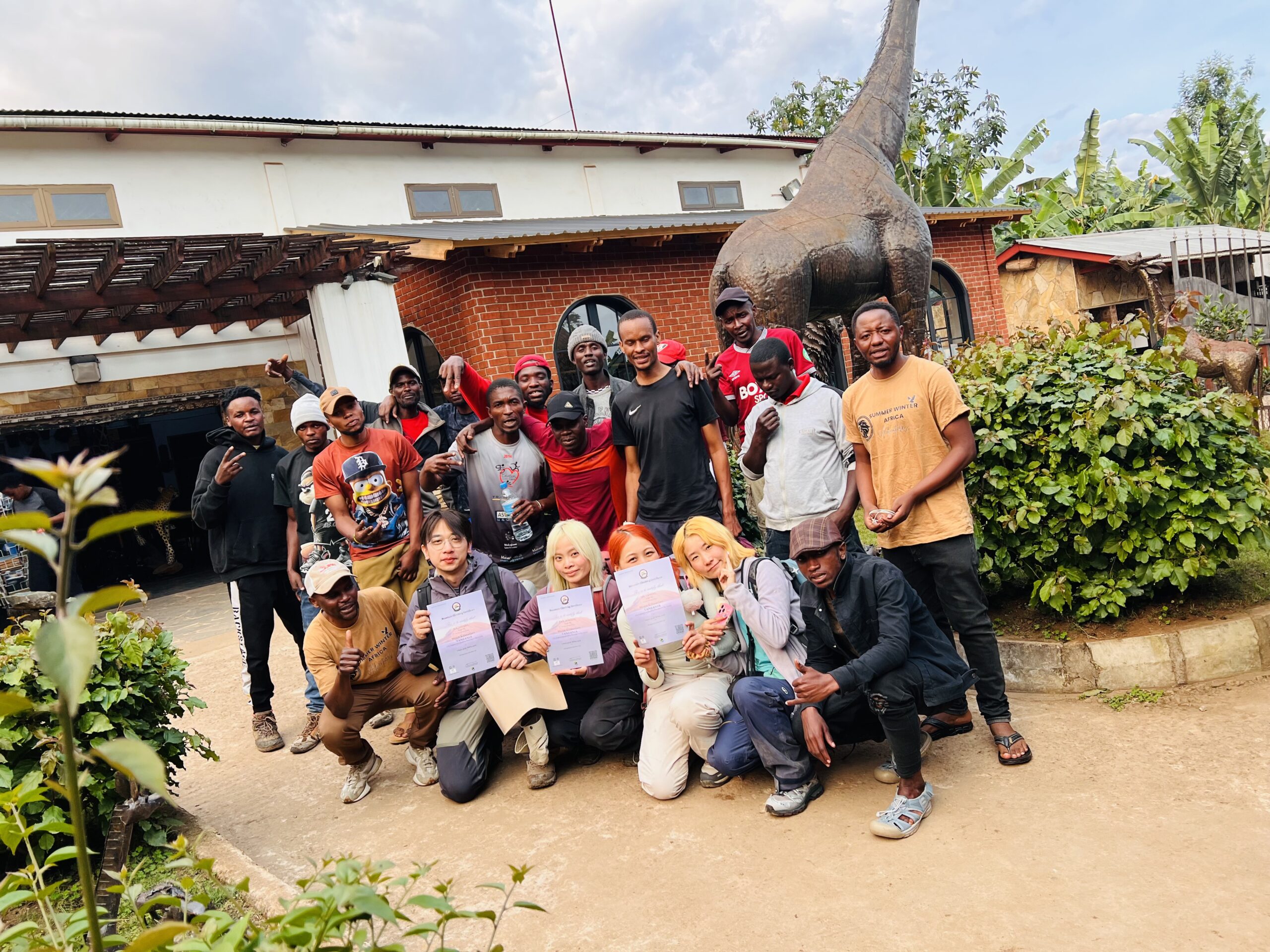
Climbers who successfully reach the summit are normally eligible to receive a Kilimanjaro summit certificate.
Your driver will then transfer you to your hotel in Moshi or Arusha.
This marks the end of your Best Ultimate 7 Days Rongai Route Kilimanjaro Climbing 2027, 2028 & 2029 with Summer Winter Africa Adventures.
What’s Included in the 7 Days Rongai Route Kilimanjaro Climbing Package?
Our Rongai Route climbing package includes essential services to support your journey to Mount Kilimanjaro.
Package Inclusions
Professional Kilimanjaro mountain guides.
Experienced assistant guides, porters, and mountain cook.
Kilimanjaro National Park entrance and camping fees.
Rescue fees required by the national park.
Six nights of mountain camping accommodation.
Quality mountain tents and sleeping mattresses.
Breakfast, lunch, and dinner during the climb.
Drinking water prepared during the trek.
Transportation from Moshi or Arusha to Rongai Gate.
Return transportation from Marangu Gate.
Mountain crew wages.
Emergency oxygen and basic first-aid equipment.
Pre-climb briefing and equipment inspection.
Applicable government taxes.
Package Exclusions
International and domestic flights.
Tanzania tourist visa.
Travel and medical insurance covering high-altitude trekking.
Personal climbing equipment and clothing.
Sleeping bags.
Tips for mountain guides, porters, and cooks.
Personal expenses.
Alcoholic beverages and soft drinks.
Hotel accommodation before and after the climb, unless included in your quotation.
Best Time to Climb the 7 Days Rongai Route in 2027, 2028 and 2029
Mount Kilimanjaro can be climbed throughout the year, but some months offer more favorable trekking conditions.
January to March: These months generally offer good climbing conditions, with relatively clear mornings and occasional snowfall at higher elevations.
April to May: This is the main rainy season in northern Tanzania. Trails can become wet and muddy, making trekking more challenging.
June to October: This is one of the most popular periods for Kilimanjaro climbing. Conditions are generally drier, although temperatures can be very cold at higher elevations.
November to December: Short rains may occur during these months. The Rongai Route can be an attractive option because the northern side of Kilimanjaro is generally drier than the southern slopes.
Weather conditions on Kilimanjaro can change quickly, so climbers should prepare for rain, strong winds, and freezing temperatures regardless of the season.
For official information about mountain regulations and park conservation, visit the Tanzania National Parks Authority.
How Difficult Is the 7 Days Rongai Route?
The seven-day Rongai Route is considered moderately challenging, although reaching the summit of Mount Kilimanjaro requires good physical fitness and determination.
The route follows a relatively gradual ascent during the first few days, making it suitable for climbers who prefer less demanding terrain.
However, the summit attempt is physically challenging because of the steep ascent, cold temperatures, and high altitude.
The additional acclimatization day at Mawenzi Tarn helps climbers adjust to the altitude, but it does not eliminate the risk of altitude sickness.
Previous mountain climbing experience is helpful but not always necessary. Regular hiking, cardiovascular exercise, and physical preparation are strongly recommended.
Why Choose the 7 Days Rongai Route?
The Rongai Route offers a different Kilimanjaro climbing experience compared with the more frequently used southern routes.
One of its main advantages is the quieter trekking environment. Climbers can enjoy peaceful trails and beautiful views of the northern slopes.
The route also offers impressive views of Mawenzi Peak and the opportunity to explore different mountain habitats.
Another advantage is the gradual ascent during the early stages of the trek. The seven-day itinerary includes an additional acclimatization day, providing more time to adjust before the summit attempt.
The descent follows the Marangu Route, allowing climbers to experience different landscapes on the way down.
For travelers looking for a quieter Kilimanjaro adventure with beautiful scenery, the seven-day Rongai Route is an excellent option.
How Much Does the 7 Days Rongai Route Kilimanjaro Climbing Cost?
The price of a seven-day Rongai Route climb depends on your travel dates, group size, and the services included in your package.
Private climbs generally cost more per person than group departures because transportation and mountain support expenses are shared among fewer travelers.
The total cost includes national park fees, camping equipment, mountain crew wages, meals, transportation, and other operational expenses.
Prices for 2027, 2028, and 2029 may change depending on government fees and operating costs.
For an updated quotation, contact Summer Winter Africa Adventures.
Email:
WhatsApp: +255 743 297 182
What to Pack for the 7 Days Rongai Route Kilimanjaro Climb
Proper equipment is essential for a comfortable and safe Kilimanjaro climbing experience.
We recommend bringing:
Waterproof hiking boots.
Warm thermal clothing.
Waterproof jacket and trousers.
Fleece jacket and insulated down jacket.
Warm gloves and thermal socks.
Comfortable hiking trousers.
Sun hat and warm hat.
Sunglasses and sunscreen.
Sleeping bag suitable for freezing temperatures.
Headlamp with spare batteries.
Trekking poles.
Personal medication and toiletries.
Reusable water bottles or hydration system.
Small daypack.
High-energy snacks.
Your mountain guide will review your equipment before the climb to help ensure you have suitable clothing and gear.
Why Book Your Kilimanjaro Climb with Summer Winter Africa Adventures?
At Summer Winter Africa Adventures, we help travelers experience the natural beauty of Tanzania through professionally organized mountain trekking and wildlife safaris.
Our Kilimanjaro climbing packages are designed to provide suitable itineraries, experienced mountain support teams, and practical travel arrangements.
We understand the importance of proper acclimatization, mountain safety, and having reliable guides throughout the climb.
Whether you are climbing Kilimanjaro for the first time or returning to explore a different route, our team can help you plan an adventure that suits your preferences.
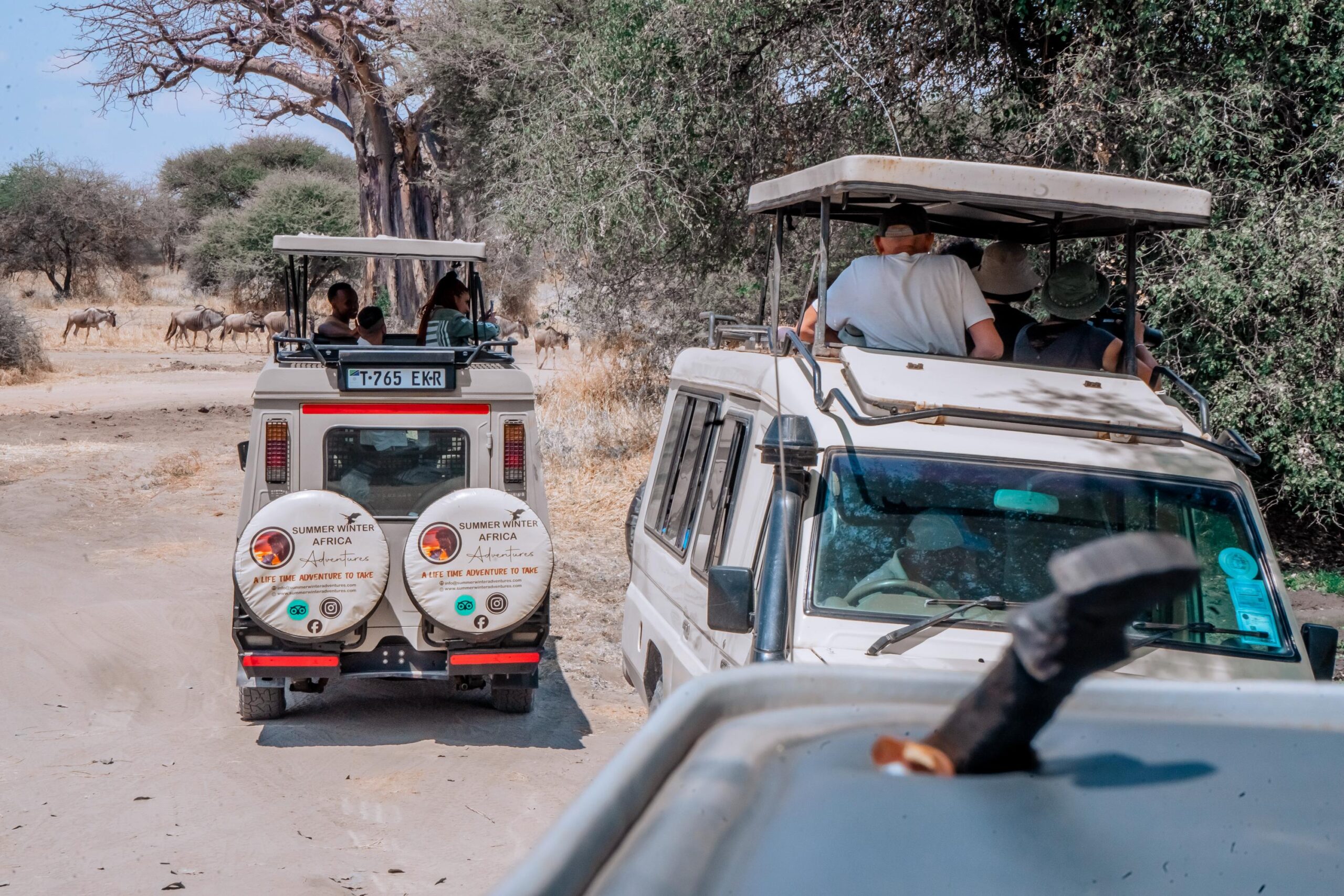
You can also combine your Kilimanjaro climb with a Tanzania wildlife safari. After completing your trek, consider exploring Serengeti National Park, Ngorongoro Crater, or Tarangire National Park.
Discover more travel experiences through the Summer Winter Africa Adventures official website.
Frequently Asked Questions About the 7 Days Rongai Route
Is the 7 Days Rongai Route Good for Beginners?
Yes. The Rongai Route can be suitable for beginners who have good physical fitness and prepare properly. However, climbing Kilimanjaro is challenging, and altitude sickness can affect anyone regardless of fitness level.
What Is the Success Rate of the 7 Days Rongai Route?
Summit success depends on several factors, including acclimatization, weather, individual health, and physical preparation. No summit success rate can be guaranteed.
Is the Rongai Route Better Than the Machame Route?
Both routes offer excellent climbing experiences. Rongai is generally quieter and approaches Kilimanjaro from the north, while Machame is known for its varied scenery and acclimatization opportunities.
How Many Days Does the Rongai Route Take?
The Rongai Route is commonly completed in six or seven days. The seven-day itinerary provides additional time for acclimatization.
Where Does the Rongai Route Start?
The Rongai Route begins at Rongai Gate on the northern side of Mount Kilimanjaro, close to the Kenya–Tanzania border.
Where Does the Rongai Route End?
The route normally descends through the Marangu trail and finishes at Marangu Gate.
Do I Need Previous Climbing Experience?
Technical climbing experience is not required for the standard Rongai Route. However, good physical fitness, preparation, and the ability to hike for several hours are important.
What Is the Highest Point on Mount Kilimanjaro?
Uhuru Peak is the highest point on Mount Kilimanjaro, standing at 5,895 meters above sea level.
What Accommodation Is Available on the Rongai Route?
Climbers stay in mountain tents during the ascent. On the standard itinerary, the final night is spent at Horombo Hut along the Marangu descent route.
Can I Climb the Rongai Route in 2027, 2028 or 2029?
Yes. Summer Winter Africa Adventures can help you plan your Rongai Route climb for your preferred travel dates in 2027, 2028, or 2029, subject to availability and confirmed arrangements.
Book Your Best Ultimate 7 Days Rongai Route Kilimanjaro Climbing 2027, 2028 & 2029
Are you ready to climb Mount Kilimanjaro and experience the beautiful northern Rongai Route?
Our 7 Days Rongai Route Kilimanjaro Climbing Package offers a rewarding mountain adventure with beautiful scenery, quieter trails, and an additional day for acclimatization.
Whether you are planning a private climb, traveling with friends, or organizing a group trekking adventure, Summer Winter Africa Adventures can help you prepare for your journey.
Contact our team today for climbing prices, available departure dates, and personalized travel arrangements.
Summer Winter Africa Adventures
Email:
WhatsApp: +255 743 297 182 — Book Your Kilimanjaro Climb
Website: Summer Winter Africa Adventures

 SAFARI GUIDE