
3-Day Beautiful Wildlife Safari in Tanzania (2027–2029)
Destination: Tarangire National Park and Ngorongoro Crater
Duration: 3 days and 2 nights
Travel period: 2027–2029
Starting point: Arusha
Ending point: Arusha or Kilimanjaro International Airport
Safari style: Private or small-group wildlife safari
Accommodation: Lodge or tented camp
Transport: 4×4 safari vehicle with a professional driver-guide
Pace: Active, with early starts and several hours of game driving
Overview of the 3-Day Beautiful Wildlife Safari
This 3-day beautiful wildlife safari is designed for travellers who want to experience Tanzania’s wildlife but have limited time. It combines the elephant country of Tarangire National Park with the remarkable wildlife and scenery of Ngorongoro Crater. The journey passes through open savannah, baobab woodland, farmland, small settlements and the green highlands of northern Tanzania.
Although the safari lasts only three days, it provides opportunities to see a variety of animals in two different environments. Tarangire is known for its elephants, baobab trees, seasonal swamps and river valleys. Ngorongoro Crater offers a different experience, with grasslands, wetlands, woodland and a concentration of wildlife within a natural volcanic caldera.
The itinerary is best suited to visitors arriving in Arusha before the safari begins. It can also work for travellers who have an additional night available after landing at Kilimanjaro International Airport. Arriving the evening before is strongly recommended because a late international arrival followed by an immediate safari departure can make the first day tiring.
This route does not include Serengeti National Park. Adding the Serengeti to a three-day road safari would mean spending considerably more time travelling between destinations and less time watching wildlife. Tarangire and Ngorongoro are a more practical combination for this short itinerary.
The schedule is flexible enough to allow the guide to respond to wildlife sightings, weather and road conditions. Exact departure times may change slightly depending on the lodge location, park entry arrangements and the season. Wildlife is free to move through its natural habitat, so no particular animal sighting can be guaranteed.
Highlights for the 3-Day Beautiful Wildlife Safari
- Explore Tarangire National Park, famous for its large elephant population and baobab landscapes.
- Look for lions, giraffes, zebras, wildebeest, buffaloes, antelopes and a wide range of birdlife.
- Travel through the varied landscapes of northern Tanzania.
- Spend time among the grasslands and wetlands of Ngorongoro Crater.
- Look for black rhinoceros, lions, elephants, hyenas, hippos and other wildlife during the crater game drive.
- Enjoy sunrise departures and game drives during the cooler hours of the day.
- Stay in a lodge or tented camp selected according to the travel budget.
- Finish the safari in Arusha or transfer to Kilimanjaro International Airport, subject to the departure time.
Detailed Day-by-Day Itinerary
Day 1: Arusha to Tarangire National Park – Game Drive Among Elephants and Baobab Trees
Main destination: Tarangire National Park
Approximate road transfer: Around 2.5–3.5 hours to the park area, depending on the lodge, traffic and road conditions
Main activities: Transfer, park entry and afternoon game drive
Overnight: Lodge or tented camp near Tarangire National Park
Morning: Departure from Arusha
The safari begins with a pickup from your hotel in Arusha. After meeting your professional driver-guide, you will receive a short briefing about the route, the daily schedule, wildlife safety and what to expect during the next three days.
The guide will check that everyone has drinking water, sun protection, cameras, binoculars and any personal items needed for the journey. It is also a good time to confirm dietary requirements and discuss any particular wildlife interests, such as elephants, birds, big cats or photography.
After breakfast, the vehicle leaves Arusha and travels towards Tarangire National Park. The road passes through a changing landscape of small towns, cultivated fields, roadside markets and rural settlements. Depending on the route, you may see people tending livestock, farmers working in their fields and roadside stalls selling fruit and other local products.
The drive gives you a first look at everyday life in northern Tanzania. Your guide can explain the agricultural activities in the area, the role of livestock in local communities and the way tourism connects with the region’s economy.
The road journey is part of the safari, but it is not a game drive. Wildlife sightings outside protected areas are possible, though the guide will focus on reaching the park safely and in good time.
Late Morning: Enter Tarangire National Park
After reaching the entrance, the guide will complete the required entry procedures before beginning the game drive. The exact timing depends on the day’s traffic, park formalities and the distance from your starting accommodation.
Tarangire has a distinctive landscape. Large baobab trees stand above the surrounding vegetation, while acacia woodland, grassland and seasonal swamps provide habitat for different species. The Tarangire River is an important feature of the ecosystem, especially when water becomes scarce in the surrounding areas.
During the dry season, animals may gather near dependable water sources and feeding grounds. Elephants are among the most recognisable animals in the park, and visitors may see family groups moving through the woodland or feeding near the river. Herd sizes and locations change throughout the year.
Your guide will drive along permitted park roads, looking for fresh tracks, movement in the grass, birds calling from trees and other signs of wildlife. A good safari is not only about finding large animals. Learning how they feed, interact and use the landscape makes each sighting more meaningful.
Afternoon: Wildlife Viewing in Tarangire
The game drive continues through selected areas of the park. Tarangire is particularly rewarding for travellers interested in elephants. You may see adults feeding, young elephants staying close to their mothers or a family group walking together between trees.
Keep a respectful distance from the animals. Elephants can change direction suddenly, especially when young calves are present. The driver-guide will position the vehicle carefully and avoid blocking an animal’s route.
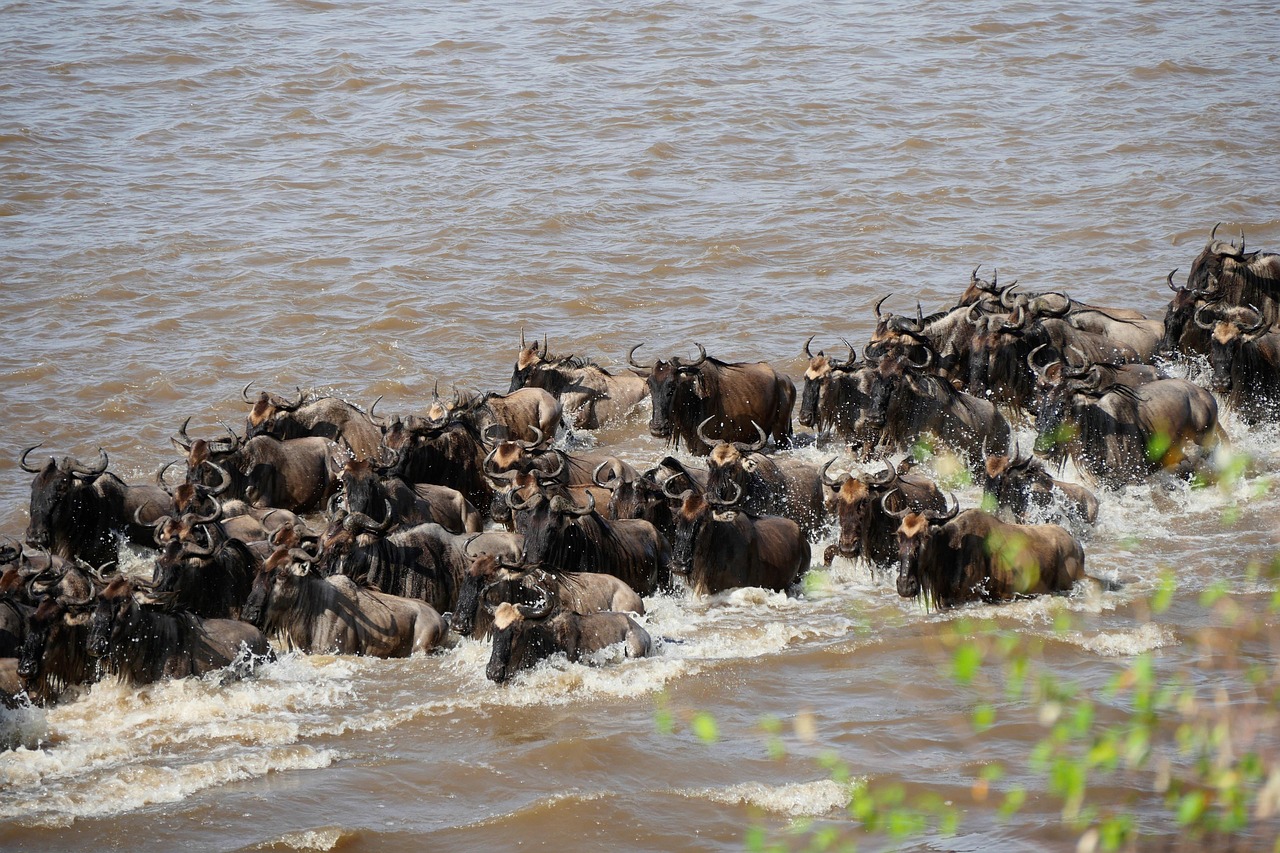
Other wildlife may include giraffes browsing on trees, zebras grazing in open areas, wildebeest moving across the plains and buffaloes resting near water. Warthogs, impalas, waterbucks, gazelles and other antelope species may also appear during the drive.
Predators such as lions can be found in Tarangire, although sightings depend on their movements and the conditions on the day. The guide may check areas where animals have recently been reported, but it is important to understand that wildlife does not follow a fixed schedule.
Birdlife adds another dimension to the experience. Depending on the season and habitat, you may see hornbills, rollers, vultures, eagles, starlings and other species. Visitors who enjoy birds should bring binoculars and allow time to observe smaller details rather than concentrating only on large mammals.
Tarangire’s scenery changes as the vehicle moves between open grassland, thicker woodland and areas near the river. Baobab trees provide excellent opportunities for landscape photography, especially when the light is soft. Ask your guide where the vehicle can safely stop for photographs without disturbing wildlife or blocking the road.
Lunch During the Game Drive
Lunch arrangements depend on the package and the operator. Some safaris include a packed lunch eaten at an authorised picnic site, while others arrange a return to the lodge if the location and timing make this practical.
A picnic lunch allows more time in the park. You can rest, eat and enjoy the surroundings before continuing the afternoon drive. Follow the guide’s instructions at the picnic site, keep food secured and never feed wild animals.
Carry water throughout the day, especially during warmer months. The temperature inside a stationary vehicle can rise quickly, so take regular sips and use sun protection when sitting outside at designated areas.
Late Afternoon: Continue Exploring Tarangire
After lunch, the guide continues the game drive through suitable areas of the park. Afternoon light can bring out the colours of the baobab trunks, dry grass and distant hills.
Animals may be feeding, moving towards water or resting in the shade. Some species become more active as temperatures begin to fall, although activity varies from day to day. The guide will make decisions based on the conditions rather than following a rigid route.
The goal is to enjoy a good range of wildlife habitats without rushing from one sighting to another. If an elephant family is moving calmly through the woodland or a group of giraffes is feeding nearby, the guide may allow time to watch their behaviour, provided the park rules and schedule permit.
As the afternoon ends, the vehicle leaves the park according to the applicable operating hours and travels to the booked lodge or tented camp. The accommodation may be inside the park, near an entrance or in the surrounding area, depending on the package.
Evening: Check-In and Dinner
On arrival, you will check in and have time to settle into your room or tent. Depending on the property, facilities may include a private bathroom, hot water, a dining area, a lounge and an outdoor space overlooking the surrounding landscape.
After a long day on the road and in the park, the evening is best kept simple. Enjoy dinner, review the wildlife sightings and prepare for the following day’s departure.
Your guide can explain the next day’s route and confirm the expected departure time. Pack anything needed for the morning in advance, including a warm layer, camera batteries, binoculars and drinking water.
Accommodation: Lodge or tented camp in the Tarangire area.
Meals: Lunch and dinner, depending on the confirmed package.
Wildlife focus: Elephants, giraffes, zebras, wildebeest, buffaloes, antelopes, birds and possible predators.
Day 2: Tarangire to Ngorongoro Highlands – Scenic Journey and Wildlife Experiences
Main destinations: Tarangire area and Ngorongoro Conservation Area
Main activities: Morning departure, scenic road transfer and optional wildlife viewing en route
Overnight: Lodge or tented camp in the Karatu or Ngorongoro area
Early Morning: Breakfast and Departure
Wake up early and have breakfast before leaving the Tarangire area. The exact departure time depends on the accommodation location and the planned route.
If the itinerary includes a short morning game drive in Tarangire, it must be arranged around the park’s entry rules and the distance to the next destination. A morning game drive can be worthwhile, but it should not be added automatically if it would make the rest of the day too rushed.
After breakfast, the guide checks the vehicle, confirms that everyone has their belongings and begins the drive towards the Ngorongoro Conservation Area. The journey takes you through different landscapes, with changes in vegetation, elevation and settlement patterns.
This is mainly a transfer day rather than a full day inside a second national park. The amount of time available for wildlife viewing depends on the departure time, road conditions and the accommodation selected for the night.
Morning: Journey Through Northern Tanzania
As the vehicle moves away from Tarangire, the landscape gradually changes. Open areas give way to cultivated land, small settlements and sections of woodland. The route may pass through busy roadside centres where people buy food, travel to work or transport goods.
The guide can explain the geography of the region and the relationship between protected areas, farmland and pastoral land. This context helps visitors understand why wildlife conservation requires cooperation between different land users.
There may be opportunities to stop at authorised places for refreshments or photographs. Any stop should be agreed with the guide and made where parking is safe. Avoid photographing people without their permission, particularly children and members of local communities.
Road conditions can vary, and travel times should be treated as estimates rather than guarantees. During rainy periods, some sections may be slower because of mud, surface damage or heavy traffic. A responsible operator will allow enough time to reach the accommodation without relying on unsafe driving.
Midday: Arrive in the Karatu or Ngorongoro Area
Depending on the route and the accommodation, you may reach the Karatu area around midday or in the afternoon. Karatu is a useful base for travellers visiting Ngorongoro Crater because it offers a range of lodges, guesthouses and tented accommodation.
After checking in, lunch may be served at the lodge or provided as a packed meal if the day’s schedule requires it. The guide will confirm arrangements before arrival so that you know whether to expect a sit-down lunch or a meal on the road.
The afternoon should be planned according to the confirmed crater schedule. If the next day’s crater descent is early, spending the remainder of the day resting at the lodge can be more practical than adding another long excursion.
If time allows, guests can enjoy the lodge grounds, watch birds, take photographs of the highland scenery or speak with the guide about the animals seen so far. Some properties offer optional local activities, but these should be booked separately and only if they fit the available time.
Afternoon: Understand the Ngorongoro Landscape
The Ngorongoro Conservation Area is not simply a crater. It includes highland forests, open grasslands, volcanic features, wildlife habitat and areas where local communities live and keep livestock.
The crater itself is the main wildlife destination for this safari. It is a large volcanic caldera whose enclosed landscape supports a wide variety of animals. The crater floor contains grassland, wetlands, woodland and a soda lake, creating different feeding and resting areas for wildlife.
The landscape outside the crater is also important. As you travel through the highlands, you may see cultivated fields, grazing livestock and changes in vegetation caused by elevation and rainfall. The guide can explain how these areas differ from Tarangire’s drier woodland and river environments.
If the itinerary includes a short stop at an approved viewpoint, you may be able to see the highland scenery from above. Visibility depends on cloud cover, rain and mist. The crater rim can be cool, and conditions may change quickly, so carry a light jacket.
Do not assume that every viewpoint or community visit is included. The guide should confirm access, timing and any extra charges before making a stop.
Late Afternoon: Rest Before the Crater Game Drive
Return to the lodge and take time to rest. The following morning generally begins early because an early descent helps maximise the time available on the crater floor.
Prepare a small day bag with a camera, binoculars, a warm layer, sun protection and drinking water. Leave unnecessary luggage securely stored at the lodge or packed according to the operator’s arrangements.
Ask the guide what time breakfast will be served and when the vehicle will leave. The precise schedule depends on the lodge location, crater access arrangements and the day’s permits.
Evening: Dinner and Safari Briefing
Dinner is usually served at the lodge. After eating, the guide can explain what to expect during the crater visit, including the descent road, the different habitats and the wildlife that may be encountered.
Lions, buffaloes, elephants, hyenas, zebras, wildebeest, gazelles and hippos may be seen in suitable areas. Black rhinoceros occur in the wider ecosystem and may be present within the crater, but they are not guaranteed sightings. Leopards are also difficult to see because they tend to remain less visible than some other predators.
The crater can become busy, particularly during peak travel periods. A good guide will balance the search for wildlife with respect for the animals and other visitors. Vehicles should not crowd wildlife, block movement or leave permitted tracks.
Finish the evening early and get enough sleep. A good night’s rest will make the final day’s early departure more comfortable.
Accommodation: Lodge or tented camp in Karatu or the Ngorongoro area.
Meals: Breakfast, lunch and dinner, according to the confirmed package.
Main experience: Scenic travel, highland landscapes and preparation for the Ngorongoro Crater game drive.
Day 3: Ngorongoro Crater Game Drive – Wildlife Viewing and Return to Arusha
Main destination: Ngorongoro Crater
Approximate driving time to Arusha: Often around 3.5–5 hours or more after leaving the crater area, depending on the lodge, road conditions and traffic
Main activities: Early breakfast, crater descent, game drive, lunch and return transfer
End point: Arusha or Kilimanjaro International Airport
Early Morning: Breakfast and Departure
The final day begins early. Have breakfast at the lodge, collect your packed lunch if one is included and meet your guide at the agreed time.
The vehicle then travels towards the authorised crater access point. The descent into the crater follows the designated road through the highland environment. As the vehicle moves downwards, the scenery changes from cooler forested slopes to more open areas on the crater floor.
The descent itself is part of the experience. Look for birds in the vegetation, but remember that the guide must concentrate on the road and access requirements. Photography stops should only be made where permitted and safe.
The timing of the descent and the length of the game drive depend on the current regulations and the arrangements confirmed for the visit. The operator should plan the day around the required departure from the crater and the final transfer to Arusha.
Morning: Game Drive on the Crater Floor
Once on the crater floor, the guide begins looking for wildlife across the grasslands, wetlands, woodland and other suitable habitats.
Ngorongoro is known for supporting a wide range of large mammals within a relatively compact area. This makes it an excellent destination for a short safari, although the location of individual animals changes throughout the day.
The first sightings may include zebras and wildebeest grazing on open grassland. These animals are often found in areas where fresh grass and water are available. Gazelles and other antelope may also be seen feeding or moving between groups.
Buffaloes can be found in different parts of the crater, sometimes grazing in large groups. They are powerful animals and should be observed from a respectful distance. Your guide will position the vehicle carefully and avoid disturbing them.
Elephants may appear near woodland or other suitable habitat. Some older males are seen alone, while other elephants move in smaller groups. Sightings depend on their movements, and they may remain hidden in thicker vegetation.
Looking for Lions and Other Predators
Lions are among the animals visitors hope to see in Ngorongoro Crater. The guide will check likely areas and pay attention to reports from other professional guides, but there is no fixed location where lions can always be found.
If lions are resting, the guide may explain their behaviour and allow time to observe them without disturbing the group. If they are moving or hunting, vehicles must remain within the rules and avoid obstructing the animals.
Spotted hyenas may be seen moving across the grassland or near other predators. They play an important role in the ecosystem, both as hunters and scavengers. Warthogs may feed in open areas, while jackals and other smaller carnivores may appear if conditions are favourable.
A black rhinoceros is another possible sighting. However, rhinos are relatively difficult to locate, and visitors should not expect a guaranteed encounter. The guide will follow permitted roads and use reliable wildlife information without chasing or pressuring the animal.
Leopards are elusive, and sightings are less predictable. A guide may scan trees and thicker vegetation, but the safari should not be judged by whether every member of the Big Five is seen. Time spent observing common species, birds and the crater landscape is also valuable.
Mid-Morning: Wetlands, Water and Birdlife
As the game drive continues, the vehicle may visit suitable wetland areas where hippos and waterbirds are sometimes seen. The crater’s lake may attract flamingos and other birds, but their numbers vary according to water conditions, food availability and the season.
Hippos often remain in water during the warmer hours. Their presence can sometimes be identified by movement, calls or groups resting in a pool. They should always be observed from the vehicle or another authorised location.
Birdwatchers may see ostriches, crowned cranes, storks, eagles, vultures and other species, depending on the habitat and time of year. Binoculars are useful because some birds are easier to identify from a distance.
The guide can explain the difference between the grassland, wetland and woodland environments. Even when animals are not immediately visible, the landscape provides clues about where they feed, rest and find water.
Lunch During the Crater Visit
Lunch is normally arranged at a designated picnic site or another approved location, depending on the operator’s plan and current park rules.
The guide will explain where it is safe to eat and where food must remain secured. Do not feed animals, leave rubbish behind or approach wildlife to take photographs.
Take the opportunity to rest, drink water and check camera batteries. Keep your belongings close and follow all instructions from the guide and park staff.
After lunch, the game drive continues for the remaining permitted time. The guide may revisit a suitable area if wildlife activity has changed or take a route that offers a different view of the crater floor.
Early Afternoon: Final Wildlife Viewing
The final section of the crater drive is a chance to enjoy any remaining wildlife sightings and take photographs of the scenery. The guide must keep the agreed schedule in mind because the vehicle still needs to leave the crater and travel back to Arusha.
If a promising sighting is found, the guide will assess whether there is enough time to stop without risking a late departure. The priority is to provide a satisfying game drive while complying with the area’s rules.
Before leaving, take a moment to look across the crater floor and appreciate the scale of the landscape. The combination of open grassland, woodland, wetlands and steep crater walls is very different from the baobab-dotted scenery of Tarangire.
Afternoon: Return to Arusha
After the crater visit, the vehicle climbs back towards the highlands and begins the road transfer to Arusha. The journey can take several hours, so the final arrival time should be treated as an estimate.
If your trip ends in Arusha, the guide can drop you at your hotel or another agreed location. If you are continuing to Kilimanjaro International Airport, the transfer should be arranged according to your flight schedule.
For an international flight, it is safer to allow a substantial buffer after the safari rather than scheduling departure too close to the expected return time. Road delays, crater conditions and other operational factors can affect arrival. If the flight leaves early in the day, an additional night near the airport or in Arusha is usually the safer arrangement.
Accommodation: No overnight stay is included on the standard itinerary unless requested.
Meals: Breakfast and lunch, with dinner depending on the return time and package.
Wildlife focus: Lions, elephants, buffaloes, zebras, wildebeest, hippos, hyenas, antelopes, birds and possible black rhinoceros.
Accommodation Plan
The standard itinerary includes two nights of accommodation. The most practical arrangement is one night near Tarangire National Park and one night in Karatu or the Ngorongoro area.
The exact properties should be selected according to the traveller’s budget, room requirements and preferred comfort level. A lodge closer to the park may reduce early-morning driving, while accommodation in Karatu can provide a convenient base for the crater visit.
Budget Accommodation
Budget travellers may choose a simple lodge, guesthouse or campsite, depending on availability and the operator’s arrangements. Facilities vary, so confirm whether the room has a private bathroom, reliable hot water, electricity and mosquito protection.
Camping can reduce accommodation costs, but it requires suitable equipment and a clear understanding of the facilities provided. Confirm whether tents, sleeping mats, bedding, meals and camp staff are included.
Mid-Range Accommodation
Mid-range lodges and tented camps provide a balance between comfort and price. They may offer private rooms or tents, en-suite bathrooms, restaurant service and outdoor areas where guests can relax after a game drive.
For a three-day safari, convenience matters. A property that reduces unnecessary driving can be more useful than one that is much farther away but offers a more elaborate room.
Luxury Accommodation
Luxury lodges and tented camps may provide spacious rooms, high-quality dining, attentive service and views of the surrounding landscape. Some properties have additional facilities such as swimming pools, private verandas or spa services.
The location of the lodge still matters. A luxury property far from the planned route can increase driving time, so accommodation should be chosen with the itinerary in mind.
Booking the Two Nights
For travel in 2027–2029, accommodation should be booked as early as practical, particularly for July to October and other popular travel periods. The exact booking lead time depends on the property, room category and travel dates.
Before confirming, check the cancellation policy, meal plan, check-in arrangements, child policy and any extra charges. Ask whether park fees and transfers are included in the safari price or billed separately.
Best Time to Take the Safari in 2027–2029
This safari can be arranged throughout the year, but the experience changes with rainfall, vegetation and animal movement.
June to October: Dry Season
The dry season is a popular period for wildlife viewing. As water becomes less available in some areas, animals may concentrate around dependable water sources. Tarangire is especially well known for elephant viewing during this period.
Days can be sunny, while early mornings and evenings may be cool. Demand for accommodation and safari vehicles can be high, so booking ahead is sensible.
November to December: Short Rains
The short rains can bring fresh vegetation and greener scenery. Rainfall does not necessarily occur every day, but showers can affect road conditions and the timing of activities.
Birdlife can be rewarding, and the changing landscape may appeal to photographers. Wildlife sightings remain possible, although animals may be more widely distributed when water and grazing are available across a larger area.
January to March: Green Season
The landscape can remain green, with changing conditions depending on the rainfall pattern. This period may offer good photographic opportunities and a different atmosphere from the dry months.
Some days can be warm, and afternoon showers are possible. Travellers should be prepared for changing weather and understand that the exact distribution of wildlife varies.
April to May: Long Rains
These months can bring heavier rainfall and more difficult road conditions in some areas. The scenery may be very green, but travel times can increase when roads become muddy or damaged.
Some accommodation properties may have seasonal operating arrangements. Confirm that the selected lodge, vehicle and route are suitable for the dates before paying a deposit.
Choosing Dates for 2027–2029
For any year in the travel window, the best dates depend on the traveller’s priorities. Visitors focused on elephants may prefer the dry season in Tarangire. Birdwatchers and landscape photographers may be happy to travel when the vegetation is greener.
Do not choose dates based only on a promise of seeing a particular animal. Wildlife sightings are influenced by weather, movement, habitat and chance. A knowledgeable guide and a sensible route can improve the experience, but cannot control nature.
Wildlife You May See
Elephants
Elephants are one of Tarangire’s best-known attractions. They may be seen feeding on trees, walking through woodland or gathering in family groups. Their behaviour can be fascinating to observe, particularly when young elephants remain close to adults.
The guide should maintain a safe distance and avoid blocking the animals’ path. Visitors must not call, feed or attempt to approach elephants.
Lions
Lions occur in both Tarangire and the Ngorongoro ecosystem. They may be resting in shade, walking through grassland or interacting with other members of their group.
A sighting is never guaranteed. The guide will search appropriate areas and respond to reliable reports, but the animals determine where they spend their time.
Giraffes
Giraffes may be seen browsing on trees or crossing open areas. Their height makes them easy to recognise, and they can often be photographed against the surrounding landscape.
Zebras and Wildebeest
Zebras and wildebeest are common grazing animals in many parts of northern Tanzania. They may appear in groups on open grassland or near suitable feeding areas. Their numbers and distribution change with the seasons.
Buffaloes
Buffaloes may be seen grazing in herds or resting in shaded areas. They are strong wild animals and should never be approached on foot unless an activity is specifically authorised and accompanied by the appropriate professional staff.
Hippos
Hippos may be seen in suitable water habitats, particularly during the Ngorongoro visit. They often spend the hotter hours in water and may become more active at other times.
Hyenas and Other Carnivores
Spotted hyenas may be seen moving through the landscape or searching for food. Jackals and other smaller carnivores may also appear. The chance of seeing them depends on location and timing.
Black Rhinoceros
Ngorongoro Crater is known for its rhino population, but sightings can be difficult. These animals should be viewed from a distance and never pursued. Seeing one is a bonus, not a guaranteed part of the itinerary.
Birds
The safari offers opportunities to see a wide range of birds. Depending on the habitat and season, you may encounter vultures, eagles, hornbills, rollers, storks, ostriches, crowned cranes and many smaller species.
Bring binoculars if birdwatching is important to you. A guide who knows local birdlife can help identify species and explain their behaviour.
Transport and Road Conditions
A private 4×4 safari vehicle is recommended for this itinerary. The vehicle should have suitable ground clearance, seat belts, good visibility and enough space for passengers and luggage.
A pop-up roof can make wildlife viewing more comfortable, particularly when the vehicle is stationary. Confirm whether the vehicle is private or shared, as this affects flexibility, departure times and space for photography equipment.
The roads between Arusha, Tarangire and the Ngorongoro area vary in surface and condition. Travel times can change because of traffic, weather, roadworks and park procedures. The estimates in this itinerary are planning guides rather than guaranteed arrival times.
A professional driver-guide should know the route, park regulations and wildlife-viewing practices. The guide should also be able to explain the daily schedule clearly and adjust it when necessary.
For travellers who want to spend less time on the road, a fly-in arrangement may be considered, but it is not essential for this route. Flights can increase the cost and still require ground transfers and vehicle arrangements.
What to Pack for the 3-Day Safari
Packing lightly makes a short safari easier. Most travellers need comfortable clothing, protection from the sun and a few practical items for early mornings.
Clothing
- Lightweight trousers and shirts in neutral colours.
- A warm fleece or jacket for early starts and cool highland conditions.
- Comfortable walking shoes for lodges and designated picnic areas.
- A hat or cap for sun protection.
- A light rain jacket during rainy periods.
- A change of clothes for the return journey.
Personal Items
- Sunscreen and lip balm.
- Insect repellent.
- Personal medication.
- Hand sanitiser and tissues.
- Sunglasses.
- A reusable water bottle, if suitable for the operator’s arrangements.
- A small day bag.
Photography Equipment
- Camera and preferred lenses.
- Binoculars.
- Spare batteries.
- Memory cards.
- A dust-protective camera bag.
- A cleaning cloth for lenses.
A long lens can be useful for wildlife photography, but a wide-angle lens is also helpful for landscapes and large groups of animals. Keep equipment secured when the vehicle is moving on rough roads.
Documents and Money
Carry your passport or other required identification, travel insurance information, booking confirmations and any necessary travel documents. Keep copies stored separately from the originals.
Bring a suitable payment method for personal expenses and tips. Confirm in advance which costs are already covered by the safari package.
Meals and Drinking Water
The standard package commonly includes meals during the safari, but the exact arrangement must be confirmed before booking.
Breakfast is usually served at the lodge or arranged as an early meal before departure. Lunch may be provided at a designated picnic site or at the accommodation, depending on the day’s route. Dinner is normally served at the lodge.
Tell the operator about food allergies, vegetarian meals, vegan meals or other dietary requirements before travel. This gives the accommodation time to prepare suitable food.
Drink water regularly, especially during warm afternoons. Carry water in the vehicle and follow the guide’s advice about where and when to refill bottles.
Who Is This Safari Suitable For?
Couples
The itinerary suits couples who want a short wildlife experience without committing to a week-long safari. A comfortable lodge and private vehicle can make the journey more relaxed.
Couples celebrating a honeymoon or anniversary can request a special dinner or room arrangement, subject to availability and additional charges.
Families
Families can enjoy Tarangire’s elephants and the wildlife of Ngorongoro Crater. However, the early starts and several hours of driving may be tiring for very young children.
Parents should confirm age policies, child seats, meal arrangements and whether the vehicle has enough room for the family. If travelling with toddlers, consider a slower itinerary or an additional night.
Solo Travellers
Solo travellers can arrange a private safari or join a shared departure if one is available. A private trip offers more control over timing, while a shared safari may reduce the cost.
Confirm the single-room supplement, if applicable, and whether the vehicle will be shared with other travellers.
Wildlife Enthusiasts
The itinerary is suitable for visitors who want to see several different habitats within a short time. It offers good opportunities to observe elephants, grazing animals, birds and predators, although sightings vary.
Photographers
Photographers may appreciate Tarangire’s baobab trees and elephants, along with the broad views of Ngorongoro Crater. A private vehicle can provide greater flexibility, subject to park rules and the available schedule.
Visitors with large camera kits should tell the operator before booking so that vehicle space can be considered.
Safari Cost and What Affects the Price
The total price depends on the travel dates, group size, accommodation category and the inclusions selected. A private safari generally costs more per person when there are only one or two travellers, while a larger group may share vehicle and guide costs.
The accommodation category can make a substantial difference. Budget camping, mid-range lodges and luxury tented camps have different prices and facilities.
Park and conservation fees also affect the total. These fees can change, so the operator should use the applicable rates for the confirmed travel dates rather than relying on an old quotation.
Other cost factors include:
- Private or shared transport.
- Number of travellers.
- Room type and single supplements.
- Meals and drinks.
- Airport transfers.
- Extra activities or cultural visits.
- Accommodation location.
- Seasonal demand.
- Any additional night before or after the safari.
Ask for a written quotation that clearly states what is included and excluded. Confirm whether park fees, vehicle charges, accommodation, meals, drinking water, airport transfers and guide services are included in the price.
For travel in 2027–2029, request an explanation of deposit requirements, balance payment dates, cancellation terms and any conditions relating to changes in park fees or accommodation prices.
What Is Included in the Safari Package?
A standard package may include the following, depending on the operator’s final quotation:
- Pickup from an agreed location in Arusha.
- Private or shared 4×4 safari transport.
- Services of a professional driver-guide.
- Two nights of accommodation.
- Meals specified in the itinerary.
- Game drives in Tarangire National Park.
- A game drive in Ngorongoro Crater.
- Drinking water during game drives.
- Park and conservation fees, if expressly included in the quotation.
- Return transfer to Arusha or another agreed location.
The operator should list each inclusion clearly. Do not assume that every package includes every item.
What Is Not Included?
Unless the quotation says otherwise, the following may be excluded:
- International flights.
- Visa fees and travel insurance.
- Hotel accommodation before or after the safari.
- Personal purchases and souvenirs.
- Alcoholic and premium drinks.
- Tips for the driver-guide and lodge staff.
- Laundry and other personal services.
- Optional activities.
- Additional accommodation caused by changes to the itinerary.
- Any park or conservation fees not specified as included.
- Medical expenses and emergency evacuation cover.
Ask questions before making a payment if any part of the quotation is unclear.
Booking Advice for 2027–2029
Start by choosing your travel dates and deciding whether you prefer budget, mid-range or luxury accommodation. Then confirm the number of travellers, room arrangements and pickup location.
For popular dry-season dates, booking early gives you a better chance of securing the preferred accommodation. If your dates are flexible, ask the operator whether travelling outside peak periods would improve availability or reduce the price.
Before paying a deposit, review the itinerary carefully. Check the overnight locations, the expected driving times, the meals provided and the final drop-off arrangements. Make sure the itinerary is realistic for the arrival and departure times of your flights.
Ask whether the vehicle is private, whether the guide speaks your preferred language and whether the operator has allowed enough time for the Ngorongoro Crater visit.
It is also sensible to confirm the operator’s cancellation and amendment policies. These details are important when booking several months or years in advance.
For current park information and visitor requirements, consult the official Tanzania National Parks website and the Ngorongoro Conservation Area Authority. Check the applicable fees and regulations again closer to departure because rules and prices may change.
Responsible Wildlife Viewing
A good safari should respect wildlife and the people who live around protected areas. Visitors should follow the guide’s instructions, remain in the vehicle except at authorised locations and avoid disturbing animals.
Do not ask the driver to chase wildlife or block an animal’s movement to obtain a photograph. Keep noise low when observing animals and never feed them.
Follow park speed limits and stay on permitted roads. Off-road driving is not automatically allowed, and any activity requiring special permission must be arranged through the proper authorities.
Dispose of rubbish responsibly and avoid leaving plastic or food waste at picnic sites. If you visit a local community, follow the guide’s advice, ask permission before taking photographs and respect local customs.
Responsible behaviour helps protect the environment and makes the safari safer for visitors, guides and wildlife.
Important Practical Notes
Arrival day: If you arrive at Kilimanjaro International Airport late in the evening, arrange an overnight stay before the safari rather than trying to begin the trip immediately.
Flight departures: Do not book a flight too close to the expected return time on Day 3. Road conditions and crater arrangements can affect the schedule.
Weather: Early mornings in the highlands can be cool even when afternoons are warm. Bring a jacket and prepare for rain during wetter months.
Wildlife sightings: Animals move freely. No responsible operator can promise sightings of every species.
Luggage: A soft-sided bag is usually easier to store in a safari vehicle than a large hard-shell suitcase. Confirm the luggage allowance with the operator.
Children: Ask about child seats, minimum ages for any optional activities and the suitability of the daily driving schedule.
Health and insurance: Check current travel-health advice with a qualified medical professional before departure and make sure your insurance covers the activities and destinations planned.
Frequently Asked Questions
1. Is three days enough for a Tanzania wildlife safari?
Three days is enough for a short visit to two major wildlife destinations in northern Tanzania. Tarangire and Ngorongoro Crater provide different landscapes and wildlife-viewing opportunities. A longer trip would allow more time at each destination, but this itinerary works for travellers with limited time.
2. Which animals can I expect to see?
You may see elephants, giraffes, zebras, wildebeest, buffaloes, antelopes, hippos, hyenas and a variety of birds. Lions are possible in both destinations, while black rhinoceros may be seen in Ngorongoro Crater. Sightings depend on wildlife movements and the season.
3. Will I see the Big Five?
The Big Five are lion, leopard, elephant, buffalo and rhinoceros. Tarangire and Ngorongoro provide opportunities to look for several of these animals, but seeing all five during a three-day trip is not guaranteed. Leopards and rhinoceros can be particularly difficult to locate.
4. Can the safari operate throughout the year?
Yes, the route can generally be arranged throughout the year, subject to accommodation availability, park conditions and current regulations. The scenery and wildlife distribution vary with rainfall and the season.
5. Is the safari suitable for children?
It can be suitable for families, but children must be comfortable with early departures and extended periods in a vehicle. Families should discuss ages, child seats and meal requirements with the operator before booking.
6. Can I book a private safari?
Yes. A private safari allows the schedule to be arranged around your group, within park regulations and realistic travel times. A shared safari may be available for travellers who want to reduce costs.
7. Can I stay in luxury accommodation?
Yes. Luxury lodges and tented camps can be selected for both nights, subject to availability and budget. The final choice should take account of the location, because accommodation farther from the route can increase driving time.
8. Does the price include park fees?
That depends on the package. Ask the operator to state clearly whether Tarangire entry fees, Ngorongoro conservation fees, crater-related charges and vehicle fees are included. Fees should be checked against the applicable rates for the travel dates.
9. Can I add the Serengeti?
The Serengeti can be added to a longer itinerary or considered through a carefully planned fly-in arrangement. Adding it to this three-day road safari is not recommended because it would involve considerable travel and leave less time for wildlife viewing.
10. Where does the safari end?
The standard itinerary ends in Arusha or at Kilimanjaro International Airport. The final transfer should be confirmed when booking. If you have an international flight, leave enough time for delays and consider an additional overnight stay if the flight schedule is tight.
11. What should I wear?
Wear comfortable clothing in neutral colours, with a warm layer for early mornings and the highlands. A hat, sunglasses, sunscreen and comfortable shoes are useful. A light rain jacket is recommended during wetter periods.
12. How far in advance should I book?
Book as early as practical if you want specific accommodation or are travelling during popular months. For 2027–2029, the best lead time depends on the exact dates and property. Confirm availability before making non-refundable travel arrangements.
Final Summary
The 3-Day Beautiful Wildlife Safari in Tanzania is a practical choice for travellers who want a short but rewarding wildlife experience. The route combines Tarangire National Park, with its elephants, baobabs and varied habitats, and Ngorongoro Crater, where grassland, woodland and wetlands support a wide range of wildlife.
The first day focuses on reaching Tarangire and spending the afternoon looking for wildlife. The second day provides a scenic transfer towards the Ngorongoro highlands, with time to rest before the crater visit. The third day is devoted to a crater game drive before returning to Arusha or transferring to the airport.
The schedule is active, and the final day can be long. Travellers who want a more relaxed pace should consider adding another night. For visitors with only three days available, however, this route offers a sensible balance between travel, wildlife viewing and accommodation.
For travel in 2027–2029, the most important steps are to select suitable dates, confirm accommodation, check the latest park requirements and agree on the final pickup and drop-off arrangements. With realistic planning and a knowledgeable guide, this short safari can provide a memorable introduction to Tanzania’s wildlife and landscapes.
For more information contact https://summerwinteradventures.com/
