
The Ultimate 2-Day Photographic Tanzania Safari: An Extraordinary Wildlife Photography Adventure (2027–2029)
The Ultimate 2-Day Photographic Safari Overview
Duration: 2 days, 1 night
Destinations: Tarangire National Park and Ngorongoro Crater
Starting point: Arusha, Tanzania
Ending point: Arusha or a pre-arranged onward destination
Travel period: 2027–2029
Safari style: Private photographic safari
Transport: Private 4×4 safari vehicle with a pop-up roof
Accommodation: Lodge or tented camp in the Tarangire or Karatu area, depending on the final route
Main photography subjects: Elephants, lions, zebras, wildebeest, giraffes, buffaloes, antelopes, birds and African landscapes
Recommended for: Wildlife photographers, photography enthusiasts, couples, small private groups and travellers with limited time
Introduction: Two Days of Wildlife Photography in Tanzania
Tanzania offers excellent opportunities for wildlife photography, from large elephant herds moving through dry woodland to lions resting in the grass and birds feeding around seasonal wetlands. A short safari can still provide rewarding photographs, provided the route is planned carefully and enough time is allowed for observing animals rather than simply driving between destinations.
This two-day photographic safari combines Tarangire National Park with the Ngorongoro Crater. The two areas have different landscapes and wildlife habitats, giving photographers a varied experience within a limited period. Tarangire is known for its elephants, baobab trees, seasonal river and open woodland. Ngorongoro offers a remarkable volcanic landscape where grasslands, wetlands, forested slopes and open plains support a wide range of wildlife.
The safari begins in Arusha, the main gateway for many northern Tanzania safari routes. On the first day, you travel to Tarangire for a full day of game viewing and photography. After the afternoon drive, you spend the night in the Tarangire area or near Karatu, depending on the selected accommodation and the practical requirements of the next morning’s journey.
The second day starts early with a transfer to Ngorongoro Conservation Area. After reaching the crater, you descend to the crater floor for a concentrated wildlife photography session. Later, you return to Arusha or continue to another destination if the arrangements allow.
This is an active itinerary. It works best for travellers who are comfortable with early starts, several hours in a safari vehicle and a fairly full schedule. It is not designed as a slow photography workshop with several days in one location. Instead, it offers a practical introduction to two important wildlife destinations in northern Tanzania.
The main purpose is to give photographers a good range of subjects in a short time. You may photograph elephants against baobab trees, giraffes moving through woodland, birds along the river, or lions resting on the crater floor. The guide will adjust the route according to wildlife movements, light conditions, road access and the time available.
No safari can guarantee a particular animal or photograph. Wildlife is free to move, and the best moments often happen without warning. A successful photographic safari depends on patience, suitable equipment, a knowledgeable guide and the willingness to work with the conditions rather than expect every sighting to happen on schedule.
Why Choose The Ultimate 2-Day Photographic?
A two-day safari is useful for travellers who cannot set aside a full week but still want to experience Tanzania’s wildlife. It can also fit into a longer holiday before or after a Kilimanjaro climb, a beach stay in Zanzibar, a business trip or a visit to northern Tanzania.
The shorter duration means that planning matters. There is limited time to recover from delays, so the route should remain straightforward. Choosing two destinations with different habitats provides variety without adding unnecessary travel.
Tarangire and Ngorongoro work well together because they offer contrasting photographic opportunities. Tarangire provides woodland, river scenery, large trees and elephants. Ngorongoro provides a wide volcanic basin, open grassland, wetland areas and a concentration of wildlife within a relatively compact landscape.
The safari is also suitable for photographers who are still learning. A professional guide can help identify animal behaviour, explain how light affects a photograph and suggest positions for photographing wildlife safely. Experienced photographers can use the same trip to practise composition, work with changing light and build a varied collection of images.
A short safari does have limitations. There may not be enough time to wait for a specific animal for several hours, return to the same location at sunset or follow a photographic subject across different habitats. Those activities are better suited to a longer private safari.
For travellers whose main goal is photographing the Great Migration, a leopard, a particular bird species or a specific behaviour, the itinerary should be adjusted around that priority. A longer stay in the relevant habitat is usually more useful than trying to visit many parks in a short time.
Day 1: Arusha to Tarangire National Park – Elephants, Baobabs and Woodland Wildlife
Early Morning Departure from Arusha
The safari begins with an early pickup from your hotel in Arusha. The exact departure time depends on the location of your accommodation, the season and the distance to the park entrance. An early start helps make the most of the cooler morning hours and gives you more time for photography before the light becomes harsh.
Before leaving, check that camera batteries are charged, memory cards are ready and the equipment you expect to use is accessible. It is easier to prepare your camera while parked at the hotel than to search through bags once wildlife appears. Keep water, a hat, sunscreen and any personal medication within reach.
Your guide will confirm the day’s route, discuss your main photography interests and explain how stops will be handled. If you are using a long telephoto lens, tell the guide whether you prefer close wildlife portraits, wider environmental images or a mixture of both. This information can help shape the game drive, although the guide cannot control where animals appear.
The journey from Arusha to Tarangire takes a few hours in normal conditions, but the total travel time varies. Traffic, roadworks, weather and the location of your hotel can affect the schedule. The itinerary should allow time for the park entry process rather than assume that the vehicle can enter immediately on arrival.
During the drive, the scenery gradually changes from the outskirts of Arusha to agricultural land, villages and the drier landscapes around the park. These views can be interesting for travel photography, but the driver should stop only in safe and permitted places. Wildlife photography inside the park will be the main focus of the day.
Entering Tarangire National Park
After completing the entry formalities, the game drive begins. Tarangire is a large protected area with a mixture of riverine vegetation, acacia woodland, open grassland, seasonal swamps and scattered baobab trees. The variety of habitats creates opportunities for different styles of photography.
Rather than driving quickly from one famous location to another, the guide will look for fresh tracks, animal movement, bird calls and signs of activity around the river and water sources. These details often provide useful clues about where wildlife may be found.
The first sightings may include impalas, zebras, wildebeest, warthogs or giraffes. These animals are worthwhile subjects in their own right. They offer opportunities to practise exposure, composition and focusing before attempting more difficult photographs of fast-moving birds or predators.
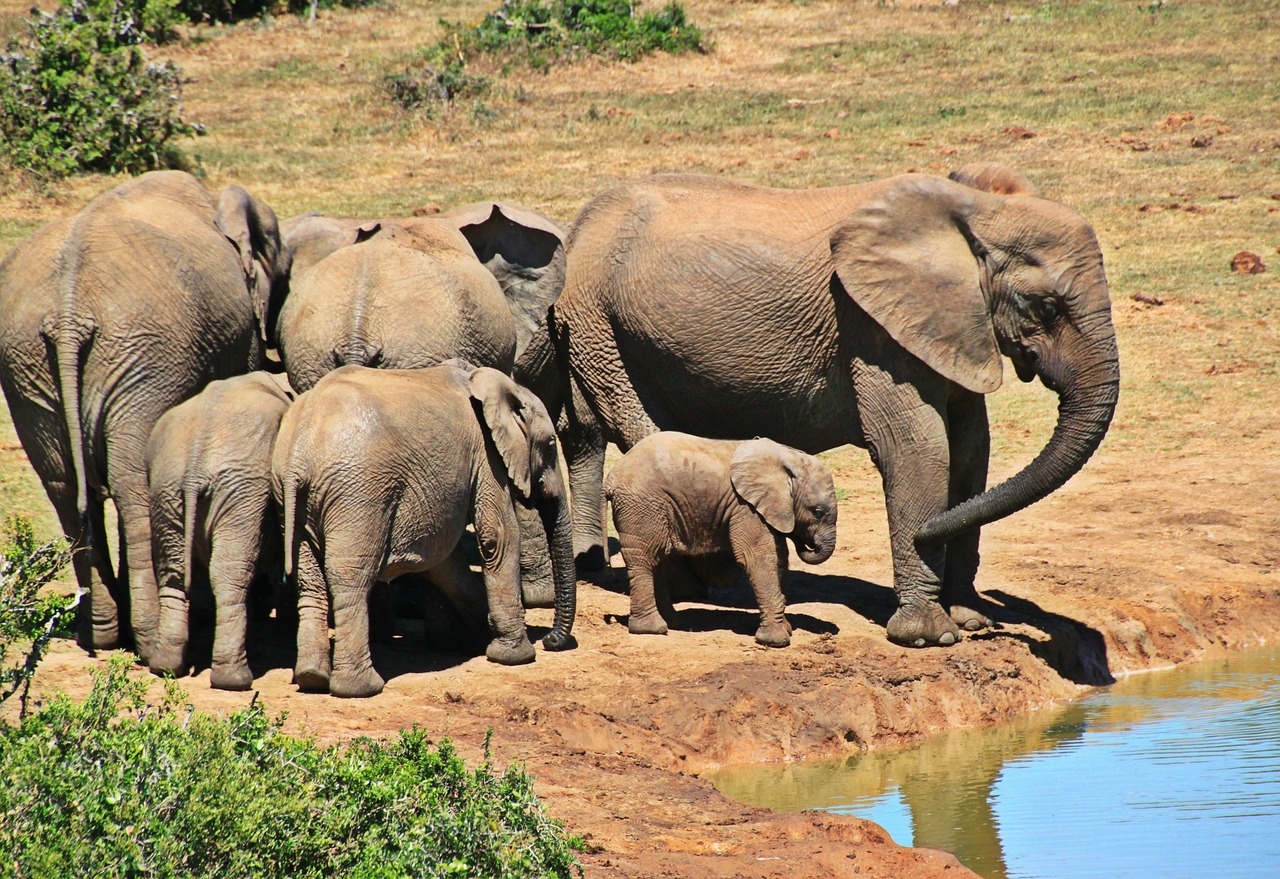
Tarangire is particularly associated with elephants. Herds may be seen feeding, walking between trees, drinking, dusting themselves or interacting with young calves. The size of a herd varies with the season and local conditions. Some days provide close encounters, while on others the animals may be spread across the landscape.
Your guide will maintain a safe distance and follow park rules. If an elephant herd is moving, it is usually better to remain still and allow the animals to pass naturally rather than ask the driver to follow too closely. Photographs that show normal behaviour are often more rewarding than images made during a rushed encounter.
Photographing Elephants in Their Natural Habitat
Elephants are one of Tarangire’s main photographic attractions. Their large size, family structure and varied behaviour make them suitable subjects for both wildlife portraits and wider environmental photographs.
A telephoto lens is useful when the animals are far away or when you want a close view of an elephant’s face, eye, trunk or skin texture. A wider lens can be equally valuable when a herd is standing beneath a large baobab tree or crossing an open section of the landscape. Changing focal lengths helps tell a more complete story of the encounter.
Look for small details as well as full-body views. An elephant using its trunk to pull leaves from a branch, a calf walking close to its mother or dust rising from a moving herd can provide strong images. The guide may be able to explain the behaviour, helping you anticipate what could happen next.
Lighting is especially important when photographing grey animals against pale ground or bright sky. Check the highlights on the elephant’s skin and avoid letting a bright background distract from the subject. When the light is strong, use the available shade and the direction of the sun to your advantage.
If the elephants are close, do not feel obliged to fill every frame with a tight portrait. A little space around the animal can show its environment and make the photograph easier to understand. When the background is cluttered, wait for a change in position rather than taking dozens of nearly identical pictures.
Respect for wildlife comes first. Do not shout, make sudden movements or ask the driver to block an animal’s path for a better angle. A good photographic encounter gives the animals room to behave naturally and gives the photographer time to observe.
Baobab Trees and Landscape Photography
Tarangire’s baobab trees give the park a distinctive appearance. Their thick trunks and unusual shapes create strong compositions, especially when they stand alone against an open sky or frame a group of elephants.
A landscape photograph does not need an animal to be interesting. The shape of a baobab, the texture of its bark, the arrangement of branches and the colour of the surrounding earth can all help explain the character of the park. These images are useful when building a complete safari photo collection rather than collecting only animal portraits.
Try photographing a large tree from different angles. A low viewpoint may emphasise the trunk, while a wider frame can show how the tree sits within the woodland. If animals happen to move through the scene, include them without forcing the composition. The contrast between the scale of an elephant and the size of a mature tree can make an image especially effective.
The light changes throughout the day. Morning light may be softer and warmer, while midday light is often harsher and creates strong shadows. The exact conditions depend on clouds, season and weather. Your guide can help identify safe places to stop when a tree or landscape is worth photographing.
Avoid photographing directly into the sun unless you are deliberately trying to create a silhouette or backlit image. If the sky is bright, expose carefully so that the tree retains detail. A simple composition with a clear subject often works better than including too many elements.
Mid-Morning Game Drive: Birds and Smaller Wildlife
As the morning progresses, the game drive may include time around river channels, open clearings and woodland edges. These habitats support many bird species, although the exact variety changes with the season and local water conditions.
Possible subjects include hornbills, rollers, starlings, bee-eaters, eagles, vultures, herons and other birds associated with woodland or water. These are examples rather than a guarantee of particular sightings. A guide with strong local knowledge can help identify species and explain where they are commonly found.
Bird photography requires a different approach from photographing large mammals. A fast shutter speed helps freeze movement, especially when a bird is flying, feeding or jumping between branches. Continuous autofocus and burst shooting can be useful when the subject is moving, but good timing and a stable position remain important.
When photographing a bird perched on a branch, check the background. Bright patches of sky, crossing twigs and other distractions can make the image difficult to read. If the vehicle can safely change position, a small adjustment may produce a cleaner background without disturbing the bird.
Do not ignore birds that are not rare or colourful. A vulture standing beside a tree, a hornbill feeding on the ground or a small bird collecting nesting material can add variety to a photographic collection. Interesting behaviour often matters more than the rarity of the species.
Smaller mammals may also appear. Warthogs, mongooses, ground squirrels and other animals can provide useful subjects, depending on where the vehicle travels. The guide will decide whether to stop based on safety, road access and the wider day’s schedule.
Lunch Break and Rest Period
Lunch is usually arranged as a picnic in a designated area or at a suitable facility, depending on the safari arrangements and park regulations. The precise location should be confirmed with the operator. The break offers time to eat, drink water, stretch and check camera equipment.
Use this period to review a small selection of photographs rather than trying to edit the entire morning’s work. Check that exposures are correct, confirm that the camera is recording properly and change batteries or memory cards if necessary. Keep equipment secure and follow the guide’s instructions about where visitors may walk.
A brief review can also help you decide what to concentrate on in the afternoon. If the morning produced many close-up portraits, you might look for wider environmental photographs later. If the light was too harsh for certain subjects, the afternoon may offer another opportunity when the sun is lower.
Do not spend the entire break looking at the camera screen. Resting your eyes and paying attention to the surroundings can help you notice birds or animal movement that might otherwise go unseen. Keep your gear ready, but allow yourself time to enjoy the experience.
Afternoon Game Drive in Tarangire
After lunch, the safari continues through another part of the park, depending on access, wildlife reports and the time available. The afternoon drive is not simply a repeat of the morning. Animal movement, light and weather may have changed, creating different photographic opportunities.
Elephants may be feeding in woodland, giraffes may be moving between trees and zebras may gather in open areas. If the guide finds a promising sighting, the vehicle may stay for a reasonable period so that you can observe behaviour and work on several compositions.
Try to capture more than one type of image during a sighting. Start with a wider frame that shows the animal in its environment. Then make a closer portrait if the distance and conditions allow. Finally, look for details such as tracks, feeding behaviour, interaction between family members or the shape of an animal against the landscape.
The best approach is to remain flexible. A planned route is useful, but wildlife sightings should influence where you spend your time. If a herd of elephants is behaving naturally in good light, it may be better to stay a little longer than to leave simply to reach another location with no clear photographic advantage.
However, the driver must also keep the overnight transfer in mind. Tarangire’s closing times and the location of the accommodation affect how long the game drive can continue. The guide will manage the schedule so that the vehicle leaves the park in accordance with regulations and reaches the accommodation safely.
Predators and Wildlife Behaviour
Tarangire supports predators such as lions, leopards and cheetahs, although sightings vary and no encounter can be promised. Predators may be resting in shade, moving through grassland or remaining hidden in thick vegetation. Their behaviour is often less predictable than that of large grazing herds.
If a predator is found, allow time to observe before taking photographs. A lion lying in shade may appear inactive, but it may lift its head, look toward another animal or begin to move. Watching carefully can help you anticipate a useful moment instead of firing the shutter continuously.
A longer lens can help with distant subjects, but avoid cropping so tightly that the animal’s body position becomes confusing. Include enough space to show where the animal is looking or moving. A photograph of a lion walking through grass may communicate more than a close portrait that removes all sense of place.
The guide should follow park rules around predator sightings and maintain suitable distances. Never encourage the driver to leave the permitted road or approach an animal simply to improve a photograph. Good wildlife photography should not put an animal, the guide, the photographer or other visitors at risk.
End of the Game Drive and Overnight Stay
At the appropriate time, you leave Tarangire and travel to your overnight accommodation. Depending on availability and the following morning’s route, this may be a lodge or tented camp in the Tarangire area or accommodation around Karatu. The final choice matters because the second day begins early.
On arrival, check in, unpack what you need for the evening and allow time to charge camera batteries. If you have more than one camera, charge each battery according to the manufacturer’s instructions. Back up your photographs if you have a suitable device and keep memory cards in a secure place.
Dinner is usually served at the accommodation according to its schedule. This is a good time to discuss the day’s sightings with your guide and review your main photography priorities for Ngorongoro. If you are particularly interested in lions, birds, landscapes or close-up animal portraits, mention this before the next morning’s departure.
The evening should also be used to prepare for the early start. Set aside warm clothing, camera equipment, water and any personal items you will need. Conditions on the crater rim can be cool, especially early in the morning, even when the lowlands are warm.
Overnight: Lodge or tented camp selected according to the final route and availability.
Main photography subjects for Day 1: Elephants, baobab trees, giraffes, zebras, wildebeest, antelopes, birds, landscapes and possible predator sightings.
Day 2: Ngorongoro Crater – Wildlife Photography in a Volcanic Landscape
Early Departure for Ngorongoro
The second day begins early. Breakfast arrangements depend on the accommodation, and a packed breakfast may be practical when an early departure is required. The exact schedule should be confirmed before the trip because the route and park procedures can affect the timing.
Carry the camera equipment you intend to use, but avoid bringing unnecessary bags into the vehicle. A telephoto lens is useful for wildlife portraits, while a mid-range zoom can cover wider scenes and groups of animals. If you have a second camera body, it can save time when switching between focal lengths.
The drive toward the Ngorongoro Conservation Area passes through changing landscapes, including cultivated land, woodland and higher ground. As the road climbs, temperatures may fall and visibility may change with cloud or mist. These conditions can create atmospheric landscape photographs, although the main wildlife session takes place after reaching the crater floor.
The descent into the crater is one of the defining parts of the journey. From suitable viewpoints, the landscape opens into a broad volcanic basin surrounded by steep walls. The view provides an opportunity to photograph the crater as a landscape before concentrating on individual animals.
The actual descent time depends on the route, traffic, road conditions and park procedures. Your guide will follow the authorised route and manage the journey according to local regulations. The crater should not be treated as a location where every sighting can be reached immediately; some areas are separated by considerable driving time.
First Views of the Ngorongoro Crater
Ngorongoro Crater is a large volcanic caldera with grasslands, wetlands, woodland and other habitats within its enclosed landscape. The combination of terrain and wildlife creates a different photographic setting from Tarangire.
If visibility is good, take a moment to photograph the crater as a whole. Wide compositions can show the shape of the basin, the forested slopes and the open grassland below. When clouds or mist cover part of the rim, the scene may feel more dramatic, although visibility can change quickly.
Landscape photography benefits from a clear focal point. You might use the curve of the crater rim, a patch of forest, a stretch of grassland or the movement of wildlife in the distance. If you include an animal, make sure it is large enough to contribute to the composition rather than becoming an indistinct dot.
The light may be soft in the early morning, but the crater’s appearance depends on weather and cloud cover. If the sky is bright and the land is dark, check the exposure carefully. A balanced image should retain useful detail in the landscape without making the foreground too dark or the sky completely featureless.
Once the descent is complete, the focus shifts from the wider landscape to wildlife. The guide will choose the route according to animal sightings, access and the time available before leaving the crater.
Wildlife Photography on the Crater Floor
The crater floor supports a variety of wildlife in a relatively compact area. Possible sightings include zebras, wildebeest, buffaloes, gazelles, warthogs, elephants and several predator species. Flamingos and other water-associated birds may be seen when conditions are suitable around the lakes and wetlands.
The number and location of animals vary. Some areas may be busy with wildlife, while others may be quiet at the time of your visit. The guide will use local knowledge and current sightings to decide where to go, but the animals remain free to move away from the vehicle or remain hidden.
For photographers, the main advantage is the range of potential subjects. A single game drive may provide opportunities for portraits, behaviour, groups of animals and landscape images. The challenge is deciding when to stop and how to use the available time.
Avoid taking every photograph from the same distance and angle. If a group of zebras is standing in open grassland, first make a wider image that shows the group and its surroundings. Then look for patterns in the stripes, interaction between individuals or an animal looking toward the camera.
When photographing wildebeest, buffaloes or other herd animals, pay attention to the shape of the group. A photograph can become confusing when heads and bodies overlap. Wait for a clearer arrangement or use a wider frame that makes the group appear intentional.
If the animals are moving, try to leave space in front of them within the frame. This gives the image a sense of direction. A photograph of animals walking across the crater floor can also show the relationship between the wildlife and the broad landscape.
Photographing Lions and Other Predators
Ngorongoro is known for its resident wildlife, including lions, but sightings are never guaranteed. Predators may be resting, feeding, moving across open ground or concealed by vegetation. A guide may receive reports from other vehicles, but the situation can change by the time you arrive.
If lions are located, spend time observing their behaviour. A resting pride can offer opportunities for portraits and family-group photographs. If a lion begins walking, stretching or interacting with another individual, be ready to adjust your framing and shutter speed.
Use a fast enough shutter speed to avoid motion blur, especially when the animal is walking or turning its head. In low light, you may need to increase ISO rather than allow the shutter speed to become too slow. Modern cameras can handle a range of ISO settings, but the best choice depends on your equipment and the amount of light available.
Do not judge a photograph only by how close the animal appears. A lion resting in the grass with space around it can create a strong image, particularly when the crater landscape is visible in the background. A tighter portrait may work well for facial detail, but a wider photograph can tell more of the story.
Other predators may be seen during the drive, including hyenas and, less predictably, leopards or cheetahs. Their presence depends on the day’s sightings and habitat. It is better to allow the guide to make practical decisions than to spend too much time chasing a rumoured sighting that may no longer be present.
All wildlife encounters must follow park rules. The vehicle should remain on permitted roads, and the guide must maintain safe distances. Do not call, feed or otherwise attempt to attract an animal for a photograph.
Elephant Photography in Ngorongoro
Elephants may also be encountered in Ngorongoro, although the setting and frequency of sightings differ from Tarangire. If an elephant appears against open grassland, the photographer may have a clear background that helps show its shape and movement.
Look for the contrast between the elephant and the surrounding environment. A broad frame can show the animal crossing the crater floor, while a tighter composition can emphasise the face, ears or trunk. When more than one elephant is present, consider whether the image works best as a group portrait or as a photograph of a single individual.
If the elephant is walking, focus on its eye or the part of the body that is most important to the composition. Check the background for other vehicles, bright patches or objects that compete with the subject. A small change in framing can make the photograph much clearer.
Never ask the driver to move too close to an elephant for a portrait. Give the animal space to feed and move freely. The best photograph is not worth disturbing wildlife or creating an unsafe encounter.
Bird Photography Around Wetlands and Open Ground
The crater’s wetland areas can provide opportunities for bird photography, depending on the season and water levels. Possible subjects include flamingos, herons, storks, egrets, ducks and birds of prey. The actual species present may change during the year.
Birds near water can be difficult to photograph because reflections, bright highlights and movement all affect exposure. Watch the light on the water and check whether the bird is separated clearly from the background. A reflection can strengthen a composition, but a bright patch of water may distract from the subject.
If a bird is feeding, observe its behaviour for a few moments before taking photographs. It may dip its head, raise its wings, catch food or interact with other birds. Anticipating these actions gives you a better chance of capturing a meaningful moment.
For birds in flight, use a shutter speed appropriate to their movement and keep the autofocus area wide enough to follow the subject. Tracking a bird across the sky takes practice. If the background is cluttered, it may be easier to photograph the bird when it lands or moves into a clearer part of the scene.
Not every stop needs to be devoted to large mammals. A small bird on a branch or a group of waterbirds moving across a wetland can provide a useful change of subject. These photographs also help show the variety of life found in the crater.
Midday Conditions and Photography Choices
Light often becomes stronger as the day progresses. This can create harsh shadows, especially under the eyes of animals or beneath trees. It may also produce high contrast between bright ground and darker subjects.
The guide will balance wildlife opportunities with the time available. If an animal is behaving in an interesting way, a stop may still be worthwhile. If sightings are quiet, it can be useful to focus on wider scenes, animal tracks, patterns in the landscape or birds in suitable light.
When the sun is high, avoid relying only on close-up portraits. Try wider compositions that use the shape of the crater, groups of animals or the arrangement of the grassland. Strong light can also bring out textures in fur, feathers and dry vegetation, provided the exposure is handled carefully.
Keep drinking water available and protect camera equipment from dust. Changing lenses in a dusty environment can introduce dirt to the camera sensor, so use a lens cloth and change equipment only when necessary. A camera bag that closes securely is useful when the vehicle is moving.
Lunch During the Crater Game Drive
Lunch arrangements depend on the safari operator and the facilities available on the day. A packed lunch may be provided at a designated picnic site. Your guide will explain where to eat and where visitors are permitted to leave the vehicle.
Use the break to rest and review your equipment. If the morning has been dusty, gently clean the outside of your camera and lenses with suitable tools. Avoid rubbing grit across the lens surface. Check your remaining battery power and memory-card space before the afternoon drive continues.
It is also a good time to assess the photographs already taken. You may have several images of the same animal, but fewer photographs showing the habitat or behaviour. This can guide your choices for the remaining hours.
Keep the break practical. The crater schedule is limited, and you will need time to leave the area according to park rules. Your guide will manage the timing and explain when the vehicle needs to depart.
Final Wildlife Photography Session
After lunch, the guide continues the game drive for as long as the permitted schedule allows. This final session is an opportunity to look for subjects that were missed earlier, revisit a promising sighting if the route permits or make photographs in the changing light.
If the morning was dominated by animal portraits, use the afternoon to build a broader collection. Photograph groups of wildlife against the crater landscape, birds around wetlands or the interaction between animals sharing the same area. If the light is suitable, look for side lighting that reveals texture and shape.
Do not feel that every photograph must show a rare animal. A well-composed image of zebras grazing, buffaloes standing in the grass or birds flying over a wetland can be a valuable part of a photographic story. Good framing, timing and attention to the background often matter more than the species itself.
If you have a particular goal, tell your guide early enough for it to influence the route. The guide can help look for suitable opportunities, but cannot guarantee the animal or behaviour you want. Wildlife photography works best when the plan allows for unexpected sightings as well as specific interests.
Leaving Ngorongoro and Returning to Arusha
At the required time, you begin the journey out of the crater and return toward Arusha or another pre-arranged destination. The drive can take several hours, depending on the exit route, road conditions, traffic and the final drop-off point.
For this reason, the second day should not be planned around a tight international flight departure. If you have a flight, train or other fixed connection, tell the operator before booking. A separate overnight stay near the departure point may be the safer arrangement.
During the return journey, you can review the highlights of the safari with your guide. The guide may help identify animals or birds photographed during the trip, particularly if you recorded notes about the location and behaviour. These details are useful when organising your photographs later.
Arrival time in Arusha cannot be guaranteed to the minute. Weather, road conditions, entry procedures and wildlife viewing may all affect the schedule. Keep your final evening flexible where possible.
If your trip ends in Arusha, your guide will drop you at the agreed hotel or other location. If you are continuing to another destination, confirm the transfer details in advance. Any extra transfer, accommodation or flight arrangements should be included clearly in the final quotation.
Main photography subjects for Day 2: Zebras, wildebeest, buffaloes, possible lions and other predators, elephants, wetland birds, landscapes and crater scenery.
Equipment for The Ultimate 2-Day Photographic
You do not need every camera accessory available to make useful photographs. The most important thing is to bring equipment you know how to use and can manage comfortably during two active days.
Camera Body
A DSLR or mirrorless camera with reliable autofocus is suitable for wildlife photography. A camera that performs well at higher ISO settings is helpful in the early morning and in shaded woodland. If you use a compact camera or a modern phone, you can still make memorable photographs, although the reach and flexibility may be more limited.
If you own two camera bodies, consider carrying both. One can be fitted with a telephoto lens while the other is ready for wider scenes. This reduces the need to change lenses when dust is present. However, extra equipment adds weight, so bring only what you can carry safely.
Telephoto Lens
A telephoto lens is useful for photographing distant wildlife, birds and details without approaching animals too closely. A zoom lens in the approximate 100–400 mm or 150–600 mm range can be helpful, depending on the camera system and your style of photography.
Long lenses are not essential for every photograph. At times, the animal may be close enough for a shorter focal length, and a wider frame can show the surrounding landscape more effectively. Use the lens that suits the scene rather than assuming that the longest lens always produces the best image.
Standard Zoom or Wide-Angle Lens
A standard zoom is useful for groups of animals, landscapes and general travel photographs. A wider lens can be especially helpful for baobab trees, the crater landscape and scenes where the animal is part of its environment.
If you prefer to travel light, one versatile zoom lens may be enough. The choice depends on your camera, experience and main photography interests. Before the trip, practise changing focal lengths and adjusting exposure so that you can work quickly when a sighting appears.
Batteries, Memory Cards and Storage
Bring fully charged batteries and sufficient memory-card space for two days of photography. Cold mornings and frequent use of the screen can reduce battery life, so carrying a spare is sensible.
If you intend to back up photographs during the trip, bring a suitable storage device and confirm that it works with your camera or laptop. Do not assume that you will have reliable internet access for uploading large files. A local backup is more practical when travelling between parks.
Keep memory cards secure. After copying files, check that the transfer has completed before formatting a card. If possible, maintain two copies of important photographs until you can safely store them at home.
Camera Cleaning and Protection
Dust is common on safari roads, especially in dry conditions. A blower, microfibre cloth and suitable cleaning supplies can help maintain equipment. Avoid changing lenses in windy or dusty locations when it is not necessary.
A padded camera bag protects equipment when the vehicle is moving. Keep the bag where it can be reached without standing up or leaning outside the vehicle. Your guide should always be aware of any movement that could affect safety.
A rain cover can be useful during wet weather. A plastic cover may protect a camera from light rain, but it should not trap excessive heat or interfere with controls. Check your equipment manufacturer’s advice before the trip.
Clothing and Personal Items
Mornings in the highlands around Ngorongoro can be cool, while conditions in Tarangire may be warmer. Wear layers that can be added or removed as the temperature changes. Neutral-coloured clothing is practical, although there is no need to purchase a special wardrobe for a short safari.
Useful items include a hat, sunglasses, sunscreen, comfortable closed shoes, a light jacket, personal medication and drinking water. Bring any required travel documents and follow the operator’s instructions about what to carry during the game drives.
Practical Photography Tips for Beginners and Experienced Photographers
Work With the Light
Light changes the appearance of every wildlife photograph. Early morning and late afternoon often provide softer light, but the exact conditions depend on cloud cover, season and the direction of the sun.
When possible, pay attention to where the sun is relative to the animal. Front lighting can reveal colour and detail, side lighting can emphasise texture, and backlighting can create a silhouette or highlight dust and fur. Each approach can work when used deliberately.
Avoid changing camera settings repeatedly without checking the results. Before the safari, practise adjusting shutter speed, aperture and ISO. Familiarity with the controls will make it easier to respond when an animal suddenly begins to move.
Choose a Shutter Speed for the Subject
A resting elephant and a flying bird require different shutter speeds. A stationary animal may allow a slower shutter speed if the camera is stable, while a moving animal needs a faster one to avoid blur.
As a starting point, many photographers use around 1/500 second or faster for walking mammals, and higher speeds for fast action or birds in flight. These are guidelines rather than fixed rules. Focal length, subject movement, camera stabilisation and available light all influence the appropriate setting.
If the light is low, increase ISO when necessary rather than accepting severe motion blur. A slightly noisy photograph can still be useful, while a photograph with an important subject completely blurred may be difficult to use.
Focus on the Eye
For portraits of mammals and birds, a sharp eye often makes the difference between a strong image and a weak one. Use animal-eye autofocus if your camera supports it, but check that the focus is actually on the intended subject.
When photographing groups, decide which animal should be the main subject. If several animals are at different distances, the camera may not keep every face equally sharp. A wider aperture can separate one animal from the background, while a narrower aperture can keep more of the scene in focus.
Pay Attention to the Background
A good subject can be weakened by a distracting background. Branches crossing the face, bright patches of sky or another animal positioned awkwardly behind the subject can make the image harder to understand.
If the vehicle can safely adjust its position, a small change in angle may create a cleaner background. Sometimes the best choice is simply to wait. Animals move, and a few seconds may change the arrangement of the scene.
Photograph Behaviour, Not Only Appearance
A photograph can tell a story when it shows what an animal is doing. Look for feeding, walking, resting, grooming, social interaction, calling or movement through the landscape.
You do not need to predict every action. Watch the subject carefully and prepare for a possible change. If a lion begins to stand, a bird turns toward another bird or an elephant reaches for a branch, be ready to take a sequence of images.
Include Environmental Photographs
Close portraits are valuable, but environmental images show where the animals live. A zebra in open grassland, an elephant beneath a baobab or birds beside a wetland can communicate the character of the destination.
Try changing your framing even when the subject remains the same. A photograph that includes the landscape may be more useful for a travel article, photo essay or personal collection than another close portrait.
Keep Your Equipment Ready
Wildlife moments can happen without warning. Keep the camera switched on when you are actively viewing wildlife, use a practical exposure setting and make sure the lens cap is removed when appropriate.
Do not spend every minute looking through the viewfinder. Observe the animals with your eyes first. Understanding their movement can help you decide where to point the camera and when to press the shutter.
Best Time for a Photographic Safari in 2027–2029
Tanzania can be visited throughout the year, but weather, vegetation and animal movement affect photographic conditions. The best time for this two-day itinerary depends on whether you prioritise dry-season wildlife viewing, green landscapes, birdlife or fewer vehicles at particular locations.
Dry Season
The dry season is often attractive for wildlife photography because vegetation may be thinner and animals can be easier to see around reliable water sources. In Tarangire, the seasonal movement of wildlife can make the river area particularly productive at certain times of the year.
Dry conditions may also mean more dust on roads. This can affect equipment and create bright, hazy scenes. A camera bag that closes securely and a careful lens-changing routine are useful.
The months commonly associated with the main dry season can be busy. Accommodation and private guides may need to be booked well in advance, especially for popular travel dates. The exact availability for 2027, 2028 and 2029 must be checked when making a reservation.
Green Season
The green season can bring fresh vegetation, greener landscapes and interesting cloud formations. It may also provide opportunities for bird photography, including seasonal species. The landscape can look very different from the dry months, giving photographs a softer and more colourful appearance.
Rain can affect road conditions and visibility. Animals may be spread across wider areas when water and food are more widely available, and some sightings may take longer to find. The guide will adjust the route to the conditions on the day.
Choosing the Right Month
There is no single month that guarantees the best photographs. If elephants and dry woodland are your main interests, discuss the timing of your visit with an operator who knows Tarangire’s seasonal patterns. If you are mainly interested in birds, explain whether you want resident species, migratory birds or particular families.
For Ngorongoro, consider both wildlife interests and weather. The crater can provide rewarding sightings in different seasons, but visibility, grass height and road conditions can change the experience.
Before confirming a booking, ask the operator to explain the likely conditions for your chosen dates. Seasonal descriptions are useful for planning, but they should not be treated as promises about wildlife sightings or weather.
Accommodation Options for the Safari
Accommodation is an important part of a two-day safari because the overnight location affects the timing of the second day’s departure. A lower-priced property farther from the next destination may not be the most practical choice if it adds significant driving time.
Lodge Accommodation
A lodge may suit travellers who prefer a conventional room, private bathroom and a more structured dining arrangement. Facilities vary between properties, so check what is included before booking.
Some lodges have views of surrounding woodland or open country, while others are designed mainly as comfortable places to rest between game drives. The important consideration for this itinerary is the location, arrival time, departure time and availability of meals.
Tented Camp Accommodation
A tented camp can provide a closer connection to the safari environment while still offering comfortable sleeping arrangements. Facilities differ widely, from simple camps to higher-end properties with private bathrooms and additional services.
Ask whether the camp is inside or outside the relevant protected area and how long the drive will take to reach the next day’s starting point. The name of a camp alone does not establish its location or the time needed to reach the crater.
Staying Near Karatu
Karatu can be a practical overnight base for some versions of the itinerary, especially when the second day focuses on Ngorongoro. However, the best overnight location depends on the route taken on Day 1, the accommodation selected and the departure time required for Day 2.
If you prefer a particular lodge or camp, ask the operator to calculate the driving time for the complete itinerary rather than choosing accommodation only by price or appearance.
Accommodation for 2027–2029
Rates and availability change from year to year. The operator should confirm the property’s name, room type, meal plan, cancellation terms and any seasonal supplement before payment.
If your dates fall during a busy travel period, reserve early where possible. If the preferred property is unavailable, ask for alternatives in a similar location and category. A change in accommodation may affect the schedule, so the itinerary should be checked again before confirmation.
Transport and Guide Arrangements
The safari is best arranged with a private 4×4 vehicle suitable for game viewing. A pop-up roof allows passengers to stand or sit safely within the vehicle for viewing and photography when permitted. The guide should explain how to use the roof and where passengers may position themselves.
A private vehicle gives you more flexibility than a shared safari. You can spend longer at a useful sighting when the schedule permits, ask questions about animal behaviour and discuss photography preferences with the guide. Flexibility is still limited by park regulations, driving distances and the need to reach accommodation on time.
For a photographic safari, guide experience matters. Ask whether the guide regularly works with photographers, understands animal behaviour and can help with positioning the vehicle without disturbing wildlife. A specialist photographic guide may be available at an additional cost.
Before departure, confirm whether park fees, vehicle charges, conservation fees, meals, drinking water, accommodation and transfers are included. The quotation should clearly state what is covered and which expenses remain the traveller’s responsibility.
Suggested Daily Schedule
The times below are indicative only. The final schedule depends on the hotel location, park entry procedures, road conditions, accommodation and current regulations.
Day 1: Arusha – Tarangire National Park
- Early morning: Pickup in Arusha and departure for Tarangire.
- Morning: Park entry and game drive focused on elephants, woodland wildlife and birdlife.
- Midday: Lunch at a designated location, followed by a short rest and equipment check.
- Afternoon: Continue the game drive, concentrating on wildlife behaviour, landscapes and any promising sightings.
- Late afternoon: Leave the park in accordance with the permitted schedule and travel to the overnight accommodation.
- Evening: Dinner, charge camera batteries and prepare equipment for the next day.
Day 2: Ngorongoro Crater – Return to Arusha
- Early morning: Breakfast or packed breakfast and departure for Ngorongoro.
- Morning: Reach the crater, descend according to the authorised route and begin wildlife photography.
- Midday: Lunch at a designated site and a short equipment check.
- Afternoon: Continue the game drive as time and regulations permit.
- Later afternoon: Leave the crater and travel toward Arusha or the agreed onward destination.
- Evening: Drop-off at the confirmed location, subject to road conditions and the day’s schedule.
This schedule is designed to balance photography with realistic driving requirements. It should not be used as a guarantee of exact arrival times.
What Is Included in The Ultimate 2-Day Photographic?
The final inclusions depend on the operator and the package selected. A written quotation should identify each item clearly.
Typical inclusions may be:
- Private safari transport in a suitable 4×4 vehicle.
- Services of a professional English-speaking driver-guide.
- Fuel for the planned itinerary.
- Park entry fees for the destinations included in the quotation.
- Applicable conservation or crater service fees, as specified.
- One night’s accommodation.
- Meals listed in the confirmed itinerary.
- Drinking water in the safari vehicle, subject to the operator’s stated provision.
- Game drives in Tarangire and Ngorongoro.
- Pickup and drop-off at the agreed location in Arusha.
Do not assume that every package includes the same services. The operator should confirm the exact vehicle arrangement, accommodation, meals and fees for your travel dates.
What Is Not Included in The Ultimate 2-Day Photographic?
The following items are commonly excluded unless specifically stated in the quotation:
- International flights.
- Domestic flights or transfers not listed in the itinerary.
- Visa fees and passport expenses.
- Travel insurance.
- Personal purchases and laundry.
- Alcoholic and other drinks not included in the meal plan.
- Tips for the guide and other service staff.
- Additional accommodation before or after the safari.
- Extra activities outside the agreed programme.
- Camera equipment rental or specialist photographic services.
- Any park fees, taxes or charges not included in the written package.
Ask for clarification before paying a deposit. A clear list of inclusions and exclusions helps avoid misunderstandings once the safari begins.
Responsible Wildlife Photography
Wildlife photography should not interfere with the animals or the safety of other visitors. A photograph is not a good result if it is made by disturbing wildlife, blocking another vehicle’s access or breaking park rules.
Remain inside the vehicle unless the guide confirms that you are in a designated area where leaving it is permitted. Do not call animals, throw objects, feed wildlife or attempt to make an animal move into a better position.
Follow the guide’s instructions around elephants and predators. These animals can move quickly, even when they appear calm. Maintaining a suitable distance protects both visitors and wildlife.
Avoid pressuring the driver to leave permitted roads for a better angle. Off-road driving may be restricted, and damaging vegetation or disturbing animals can have lasting effects. A skilled photographer learns to work with the available position rather than expect the environment to change for the camera.
Respect other visitors when a sighting attracts several vehicles. Give people a fair chance to view the animal and avoid blocking their line of sight unnecessarily. Patience and cooperation are part of responsible safari practice.
Booking the Two-Day Photographic Safari for 2027–2029
If you plan to travel in 2027, 2028 or 2029, start by choosing the month and identifying your main photography interests. This helps the operator recommend a practical route, suitable accommodation and a realistic daily schedule.
Provide the number of travellers, preferred accommodation category, travel dates and any important onward connections. If you are carrying substantial camera equipment, mention this when booking so that the operator can confirm vehicle space and seating arrangements.
Ask whether the safari will be private or shared. A private safari usually provides more control over the pace and photography stops, while a shared safari may be less expensive but requires the group to follow a common schedule.
Confirm the accommodation before paying the balance. Ask for the property name, meal arrangements and the expected driving time to the next day’s destination. If a substitute property is proposed later, check whether it changes the schedule.
Request a written quotation that separates the main costs. This should identify accommodation, transport, park fees, guide services and any additional charges. Review the payment schedule, cancellation policy and conditions for changes caused by weather, road closures or other operational issues.
Because rates and availability can change, current prices for 2027–2029 should be requested directly from the safari operator. Avoid relying on an old quotation or assuming that a published rate will remain valid for your selected dates.
Frequently Asked Questions
Is two days enough for a photographic safari in Tanzania?
Two days can provide a rewarding introduction to wildlife photography, particularly if the route is kept simple and the destinations are chosen carefully. This itinerary includes Tarangire and Ngorongoro, giving you different habitats and a range of potential subjects.
However, two days are not enough to explore the northern safari circuit in depth. If your goal is to spend several hours with a particular animal, photograph the Great Migration, or work on specialist bird photography, a longer safari would provide more flexibility.
Which animals can I photograph?
Possible sightings include elephants, zebras, wildebeest, giraffes, buffaloes, antelopes, warthogs and various birds. Lions and other predators may also be seen, depending on the day and location.
Wildlife sightings are not guaranteed. The guide will use local knowledge to search for animals, but their presence and behaviour cannot be controlled.
Will I definitely see lions?
No. Both Tarangire and Ngorongoro support lions, but no operator can guarantee a sighting on a particular day. The guide may receive reports from other vehicles and adjust the route, but animals can move or remain hidden.
If lions are your main photographic priority, tell the operator before booking. A longer stay may increase your opportunities to find them and spend more time observing their behaviour.
Is the safari suitable for beginners?
Yes. Beginners can enjoy the safari with a camera, a phone or a compact camera. You do not need professional equipment to appreciate wildlife or make memorable photographs.
A guide who is comfortable working with photographers can help you understand animal behaviour, make practical choices about where to sit and identify useful opportunities. You should also practise basic camera controls before the trip.
What camera lens should I bring?
A telephoto zoom is useful for distant animals and birds. A standard zoom or wide-angle lens helps with landscapes, groups of animals and environmental photographs.
The ideal lens depends on your camera and preferred style. If you want to travel light, one versatile zoom may be enough. If you have two camera bodies, you may find it useful to keep a telephoto lens on one and a wider lens on the other.
Can I bring a tripod?
A tripod may be useful for some landscape photographs, but space in a safari vehicle is limited. A monopod or beanbag may be more practical for wildlife photography from the vehicle, depending on the vehicle design and the operator’s rules.
Check with the operator before bringing large support equipment. The guide will explain where it can be used safely and whether it is suitable for the planned route.
What clothing should I wear?
Wear comfortable clothing in layers. Early mornings around Ngorongoro can be cool, while conditions in Tarangire may be warmer. A light jacket, closed shoes, hat and sunglasses are useful.
Neutral colours are practical for general safari travel, but there is no requirement to buy specialist clothing. Choose items that are comfortable for long periods in the vehicle.
Is the safari available throughout 2027–2029?
The itinerary can be planned for dates in 2027, 2028 or 2029, subject to accommodation, guide, vehicle and park availability. The final price and schedule must be confirmed for your selected dates.
If you have fixed travel dates, book early enough to secure the preferred accommodation and vehicle arrangement. Ask the operator to confirm all fees and terms in writing.
Can the itinerary be customised?
Yes. Depending on the season, available time and your main photography interests, the operator may be able to adjust the accommodation, departure arrangements or emphasis of the game drives.
However, adding destinations to a two-day safari can make the schedule rushed. If your priority is photography rather than visiting as many places as possible, spending more time in fewer locations is often the better choice.
Can I finish the safari in another destination?
A different drop-off may be possible if it is arranged in advance. The operator should confirm the extra driving time and any additional transport cost.
If you have an international flight or another fixed connection, allow a suitable buffer. The itinerary should not depend on an exact arrival time after a full day of wildlife viewing and several hours of driving.
Are meals included?
Meals depend on the package. Many safaris include breakfast, lunch and dinner according to the accommodation and daily schedule, but the exact arrangement should be stated in the quotation.
Ask whether lunch is packed or served at a designated facility and whether drinking water is provided in the vehicle. Mention any dietary requirements before confirming the booking.
Is the safari suitable for families?
It may suit families whose children are comfortable with early starts and long periods in a vehicle. Parents should consider the age of the children, their interest in wildlife and their ability to follow safety instructions.
A private vehicle gives the guide more flexibility to adapt stops and breaks, subject to park rules. Families travelling with young children should discuss the schedule with the operator before booking.
What happens if the weather is poor?
Weather can affect visibility, road conditions and photography opportunities. The guide will adapt the route and timing where possible, but some activities may be limited by safety or park regulations.
Cloudy weather is not necessarily bad for wildlife photography. Soft light can be useful for portraits, and changing skies can add atmosphere to landscapes. Heavy rain or poor visibility, however, may reduce the opportunities available.
Final Thoughts: A Short Safari With a Clear Photography Focus
The Ultimate 2-Day Photographic Tanzania Safari is designed for travellers who want to make good use of limited time without turning the experience into a rushed checklist of destinations. Tarangire provides opportunities to photograph elephants, baobab trees, birds and woodland wildlife, while Ngorongoro offers a different setting with open grassland, wetlands, crater scenery and a range of possible animal sightings.
The itinerary is active, with early starts and several hours of driving. That is necessary to visit both destinations within two days. Choosing accommodation carefully and confirming the route in advance will help keep the schedule practical.
The most important part of the experience is not the number of photographs taken. It is the time spent observing wildlife, understanding the light and recognising when a scene is worth waiting for. A single well-composed photograph of an elephant beneath a baobab or a group of zebras moving across the crater floor can be more meaningful than hundreds of rushed images.
For 2027–2029, the itinerary should be confirmed with a safari operator who can check current rates, accommodation availability, park fees and the regulations that apply to the selected travel dates. The operator should also understand your photography interests and make sure the vehicle, guide and daily schedule are suitable.
With realistic expectations, suitable equipment and a well-planned route, two days can provide a memorable introduction to Tanzania’s wildlife and landscapes. It is a short safari, but it can still offer a useful collection of photographs and a genuine experience of two very different environments in northern Tanzania.
For more information contact https://summerwinteradventures.com/
