
The Ultimate 7-Day Photographic Tanzania Safari: An Extraordinary Wildlife Photography Adventure (2027–2029)
Destination: Tanzania, East Africa
Duration: 7 Days / 6 Nights
Safari Style: Wildlife photography safari
Main Destinations: Tarangire National Park, Ngorongoro Crater and Serengeti National Park
Starting Point: Arusha or Kilimanjaro International Airport
Ending Point: Arusha, Kilimanjaro International Airport, or another agreed departure point
Best Suited For: Wildlife photographers, photography enthusiasts, birdwatchers, nature lovers and travellers who want more time in the field
Transport: Private 4×4 safari vehicle with a pop-up roof or photography-friendly setup, with an optional domestic flight from the Serengeti
Travel Period: 2027–2029
Overview: A Remarkable 7-Day Photography Safari in Tanzania
Tanzania offers some of the finest wildlife photography opportunities in Africa. Its national parks support large numbers of wild animals, varied landscapes, changing light conditions and an impressive range of birdlife. From elephants moving between ancient baobab trees in Tarangire to lions resting in the grasslands of the Serengeti, the country provides photographers with many opportunities to work on different styles of wildlife photography.
This seven-day photographic safari is designed for travellers who want to do more than visit the parks and take a few quick photographs. The itinerary allows time to observe animal behaviour, work with natural light and return to productive areas when conditions are favourable. It combines three well-known wildlife destinations: Tarangire National Park, the Ngorongoro Conservation Area and Serengeti National Park.
Each destination has a different photographic character. Tarangire is known for its elephants, baobab trees, seasonal swamps and birdlife. Ngorongoro Crater offers a concentrated wildlife environment with open grasslands, forested slopes and a chance to photograph several species during a single game drive. Serengeti provides wide landscapes, resident predators, large herbivore herds and opportunities to photograph wildlife in its natural surroundings.
The safari begins in Arusha, where travellers can settle in after their international flight and prepare their photography equipment. The following day, the journey continues to Tarangire National Park for a game drive among its elephants, giraffes, zebras, antelopes and other wildlife. From there, the route moves towards the Ngorongoro Highlands before descending into the crater for a full wildlife photography session.
The final part of the journey is spent in Serengeti National Park. Three nights in the Serengeti region allow time for early-morning and afternoon game drives, with the exact wildlife areas selected according to the season, recent sightings, road conditions and the location of the herds.
This is a practical itinerary rather than a promise of specific animal sightings. Wildlife is free to move, and no guide can guarantee a photograph of a particular species or behaviour. The aim is to spend enough time in suitable habitats to improve the chances of meaningful encounters while keeping daily travel manageable.
For the 2027–2029 travel seasons, the route can be adjusted to suit the time of year, accommodation availability, photography priorities and budget. Travellers who prefer to spend less time driving can consider a domestic flight from the Serengeti at the end of the safari, subject to flight schedules and luggage restrictions.
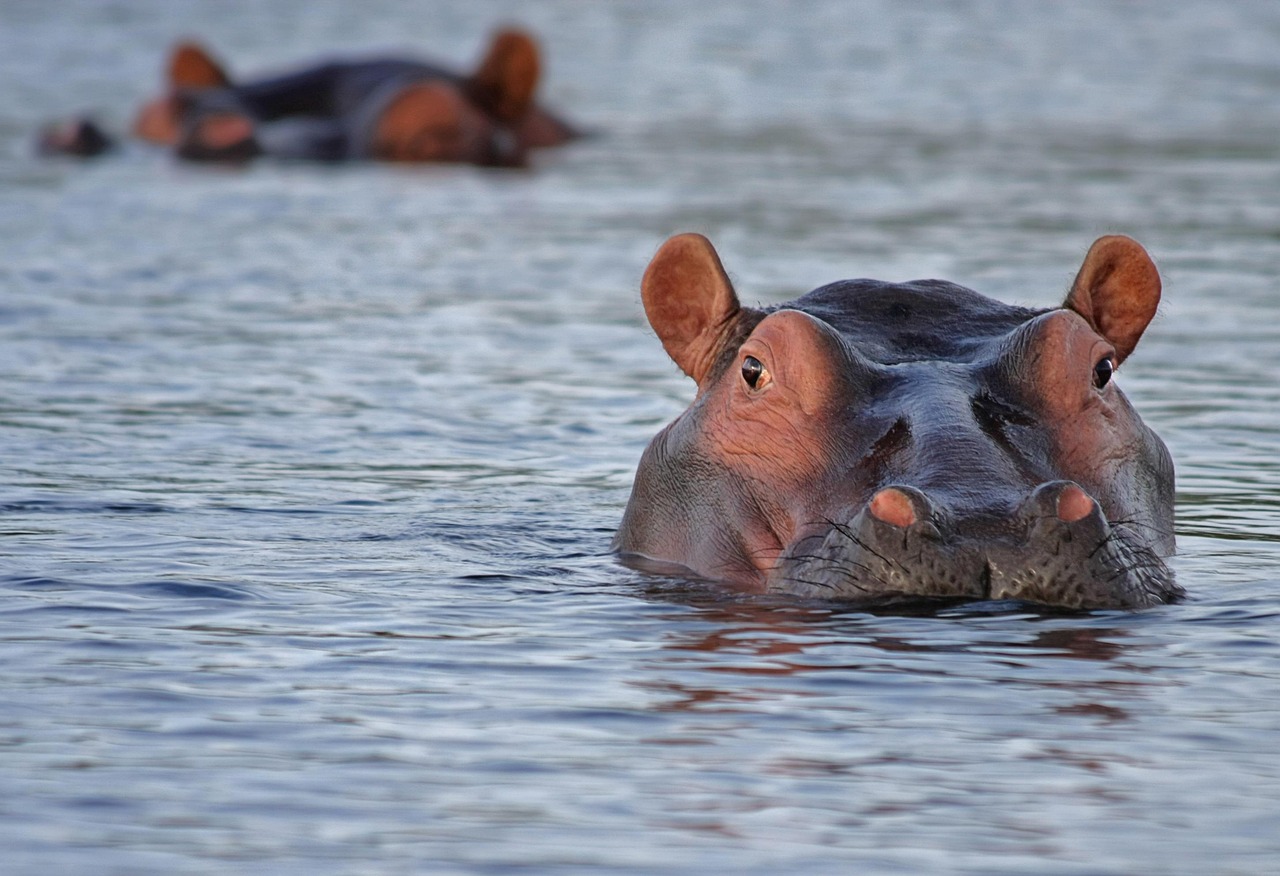
The Ultimate 7-Day Photographic Safari Highlights
- Photograph elephants and other wildlife among the baobab trees and seasonal wetlands of Tarangire National Park.
- Spend time observing animal behaviour instead of rushing from one sighting to another.
- Explore the Ngorongoro Crater, a remarkable wildlife area surrounded by steep volcanic walls.
- Search for lions, cheetahs, leopards, hyenas, elephants, buffaloes and large herbivores in the Serengeti.
- Work with early-morning and late-afternoon light, when conditions may be suitable for wildlife photography.
- Capture wide landscape images, close wildlife portraits, bird photographs and animal interactions.
- Enjoy three nights in the Serengeti region, allowing more time for wildlife viewing than a short one-night visit.
- Travel with a professional driver-guide who understands wildlife behaviour and can help position the vehicle for photography where conditions permit.
- Choose a private safari arrangement for greater flexibility over game-drive timing and photographic stops.
- Plan the trip around the seasonal movement of wildlife between 2027 and 2029.
Detailed Day-by-Day Itinerary for The Ultimate 7-Day Photographic
Day 1: Arrival at Kilimanjaro International Airport – Transfer to Arusha
Main activity: Airport arrival, transfer and safari preparation
Accommodation: Lodge or hotel in Arusha
Meals: Depending on arrival time and hotel arrangement
Arrival in Tanzania
Your photographic safari begins when you arrive at Kilimanjaro International Airport, the main international gateway for many visitors travelling to northern Tanzania. After completing immigration formalities, collecting your luggage and clearing customs, you will meet your driver or safari representative for the transfer to Arusha.
The drive usually takes around one to two hours, depending on traffic, the location of your accommodation and road conditions. If you arrive late in the evening, it is generally better to transfer directly to the hotel rather than attempt a long journey to a national park after dark.
Arusha is a useful starting point for a northern Tanzania safari. It has accommodation options, restaurants, shops and services where travellers can make final preparations before heading into the parks.
After check-in, take some time to rest following your international journey. Wildlife photography can involve early starts, long periods in a vehicle and several hours outdoors, so beginning the trip well rested is worthwhile.
Photography equipment check
If you have time and energy, use the afternoon or evening to organise your camera equipment. Make sure batteries are charged, memory cards are ready and essential accessories are easy to reach. It is better to discover a missing cable or faulty charger at the hotel than during an early-morning game drive.
Photographers should consider preparing separate bags for equipment used inside the safari vehicle and personal luggage stored at the lodge. A small day bag can hold a camera body, one or two lenses, spare batteries, memory cards, cleaning materials and a rain cover.
A useful equipment checklist includes:
- Camera body and backup camera, if available.
- Telephoto lens for wildlife portraits and distant subjects.
- Standard zoom or wide-angle lens for landscapes and environmental portraits.
- Spare batteries and battery charger.
- Multiple memory cards.
- Binoculars for locating wildlife before photographing it.
- Lens cloth, blower and a small cleaning kit.
- Camera rain cover or protective bag.
- Power adapters suitable for Tanzania.
- Laptop, tablet or storage device for backing up photographs.
- A secure bag for carrying equipment during transfers.
Dust can be a challenge on dry-season game drives, while rain and damp conditions may occur during wetter months. Keep equipment protected when it is not in use and avoid changing lenses in dusty conditions whenever possible.
Safari briefing
Your guide or safari representative can review the route, discuss the photography priorities and explain the general daily schedule. This is also the time to discuss whether you prefer animal portraits, bird photography, wider landscape compositions or a mixture of all three.
If you are travelling with a large lens, explain how you prefer to work inside the vehicle. A private vehicle is particularly useful because it gives the group more control over stops, seating positions and the time spent at sightings. However, safe vehicle positioning and park regulations always take priority.
The first day is mainly for arrival and preparation. There is no need to add a demanding activity if your flight arrives late or you are tired from travelling.
Overnight: Arusha.
Day 2: Arusha – Tarangire National Park – Wildlife Photography Among Elephants and Baobabs
Main activity: Morning transfer and game drive in Tarangire National Park
Accommodation: Lodge or tented camp in the Tarangire area
Meals: Breakfast, lunch and dinner, depending on the booked package
Drive to Tarangire National Park
After breakfast, meet your guide and begin the drive towards Tarangire National Park. The journey generally takes around two to three hours, although the exact time depends on the lodge location, traffic and the park gate used.
Tarangire is an excellent destination for wildlife photography because its landscape offers more than animal portraits. Large baobab trees, riverine vegetation, open grassland and seasonal wetlands can all provide strong backgrounds and interesting compositions.
The Tarangire River is an important water source, especially during drier periods. Wildlife may gather near the river and remaining water sources, but sightings vary according to rainfall, season and local conditions. The park is also home to numerous bird species, making it worth carrying binoculars and a suitable lens for smaller subjects.
After entering the park and completing the necessary formalities, begin your first game drive. Your guide will look for recent wildlife activity and select routes based on the conditions of the day.
Morning and afternoon photography
Elephants are among the main photographic subjects in Tarangire. They may be seen feeding, walking between trees, interacting within family groups or approaching water. These everyday behaviours can produce more interesting images than a simple close-up of an animal standing still.
When photographing elephants, look for the relationship between the animals and their surroundings. A wide composition showing an elephant beneath a baobab can communicate the scale of the landscape. A tighter frame may work better when an animal is interacting with another member of its group.
Try to avoid photographing every subject from the same angle. If the vehicle can be positioned safely and legally, consider the background before taking a series of images. A clean background can make a photograph easier to read, while including trees, grass or other animals can help tell a fuller story.
Your guide may also look for giraffes, zebras, wildebeest, impalas, waterbucks, warthogs and buffaloes. Lions and other predators are present in the park, but sightings are never guaranteed. If a predator is found, spend time observing its behaviour and allow the guide to assess whether it is appropriate to remain at the sighting.
Practical photography tips for Tarangire
Photograph elephants with context. Use a wider lens when the landscape contributes to the story. Do not automatically fill the entire frame with the animal.
Watch the light. Early and late daylight can create softer shadows and warmer tones. Strong midday sunlight may produce harsh contrast, but it can still be useful for action shots or images with a clear subject.
Look for behaviour. Family groups, feeding, dust bathing and interactions can provide a more engaging sequence than isolated portraits.
Be ready for birds. Tarangire’s birdlife can reward patience. A longer lens and a faster shutter speed are useful when photographing birds in flight or moving through vegetation.
Keep the equipment protected. Dust can settle on camera bodies and lenses during dry conditions. Keep unused equipment in a closed bag and clean it carefully when you return to camp.
Lunch may be served as a packed meal at an approved picnic site or at your accommodation, depending on the arrangement. After lunch, continue exploring the park before driving to your lodge or tented camp.
A comfortable evening at the lodge gives you time to back up your photographs, recharge batteries and review the day’s work. If you are travelling with a laptop, use two separate storage locations when practical so that a single device failure does not destroy your images.
Overnight: Tarangire area.
Day 3: Tarangire – Karatu and the Ngorongoro Highlands
Main activity: Morning wildlife photography and transfer towards Ngorongoro
Accommodation: Lodge in Karatu or the Ngorongoro Highlands
Meals: Breakfast, lunch and dinner, depending on the booked package
A final photographic session in Tarangire
Start early if your lodge location and park arrangements allow it. The first hours of the day can offer good opportunities to photograph wildlife before the light becomes harsh. Animals may be feeding or moving through the landscape, although their activity depends on the weather and conditions.
Use the morning to revisit an area that produced good sightings the previous day or explore another section of the park. Returning to a productive location can be worthwhile because wildlife behaviour and lighting change from one visit to the next.
If elephants are present, watch how the group moves through the vegetation. If birds are your priority, ask your guide to look for suitable areas where birds are feeding or calling. For landscape photography, consider how the trees and open ground can be used to create depth.
After the morning drive, leave the park and continue towards Karatu or another suitable lodge in the Ngorongoro area. The drive can take several hours depending on your exact route, accommodation and road conditions.
The changing landscape
As you travel away from Tarangire, the scenery changes. Agricultural areas, small settlements, wooded hills and cooler highland surroundings become part of the journey. These sections of the route provide a useful contrast to the open landscapes of the national parks.
The transfer is also a chance to rest and prepare for the following day’s visit to Ngorongoro Crater. The crater descent and game drive can be demanding because the day begins early and includes several hours of wildlife viewing.
After arriving at your lodge, check your camera batteries and memory cards. If you have several lenses, decide which ones you want ready for the crater. A telephoto lens is useful for distant animals, while a medium zoom can handle many general wildlife scenes. A wide-angle lens may be useful for the crater landscape, large herds and environmental photographs.
Preparing for Ngorongoro Crater
Ngorongoro offers a different photographic environment from Tarangire. Its enclosed volcanic landscape contains grasslands, marshes, woodland and other habitats within a relatively compact area. This can create opportunities to photograph several wildlife species during a single visit.
The next morning usually involves an early departure to reach the crater at a suitable time. Temperatures may be cool in the highlands, so bring a warm layer that can be removed later in the day.
If photography is your main purpose, discuss your priorities with the guide before leaving the lodge. It may not be possible to photograph every species, and wildlife sightings can vary. A clear plan helps you make the best use of the time available without turning the game drive into a race between sightings.
Overnight: Karatu or the Ngorongoro Highlands.
Day 4: Ngorongoro Crater – Scenic Wildlife Photography – Transfer to Serengeti National Park
Main activity: Crater game drive and onward journey to Serengeti
Accommodation: Lodge or tented camp in Serengeti National Park or the surrounding permitted area
Meals: Breakfast, lunch and dinner, depending on the booked package
Early departure to Ngorongoro Crater
After an early breakfast, travel to the Ngorongoro Conservation Area and prepare for the descent into the crater. The drive from Karatu or the surrounding highlands varies according to the lodge location, traffic at the entrance and the access route used.
Ngorongoro Crater is one of Tanzania’s most distinctive wildlife landscapes. Its steep walls surround a broad crater floor where grassland, woodland and wetland habitats support a range of animals. The scenery itself is a major part of the photographic experience.
As you descend, look for opportunities to capture the scale of the landscape. If the weather is clear, the crater walls and open floor may create strong layers in a wide composition. Mist or cloud can also change the mood, although visibility and conditions vary.
Wildlife photography on the crater floor
The crater is known for its high concentration of wildlife in a relatively compact area. Depending on the day, you may encounter zebras, wildebeest, buffaloes, elephants, hippos, hyenas and a range of antelope species. Lions are also regularly associated with the crater ecosystem, while black rhinos are present but can be difficult to find and photograph.
A good guide will help identify likely wildlife areas and interpret animal behaviour. Nevertheless, the number and type of sightings depend on the season, weather, animal movements and the time available.
The crater can be productive for photographers who want to work on a range of subjects. Open grasslands can provide relatively clean backgrounds for wildlife portraits, while wetland areas may offer opportunities to photograph birds and hippos. Woodland edges can produce more challenging conditions because branches and shadows may obstruct the subject.
When photographing wildlife, pay attention to the direction of the light. A subject facing towards the light may show more detail in its face, while backlighting can create a silhouette or highlight the outline of fur and feathers. Both approaches can work, but they produce different results.
If you encounter a group of animals, avoid taking every photograph at the same focal length. Start with a wider image that shows the setting, then move to tighter compositions if the situation allows. This creates a more useful collection of images from the same encounter.
Photographing rhinos responsibly
Black rhinos are among the species that many visitors hope to photograph in Ngorongoro. Sightings are not guaranteed, and an animal may remain far from the road or partly hidden by vegetation.
If a rhino is spotted, use the longest practical focal length and remain patient. Do not pressure the guide to approach too closely or leave permitted routes. A distant photograph made in good light can still be valuable, particularly if the animal is shown within its natural habitat.
Responsible wildlife photography means accepting that some encounters will be brief or distant. The animal’s welfare and park regulations must take priority over obtaining a close image.
Lunch and onward transfer
Depending on the park schedule and the day’s conditions, lunch may be taken at an approved picnic area. After the crater game drive, continue towards Serengeti National Park.
The journey from Ngorongoro to the Serengeti can be long. Travel time depends on the crater route, stops, road conditions, park formalities and the location of your accommodation. Some routes pass through scenic highland areas and open plains, creating opportunities for landscape photography when stopping is permitted and safe.
The transition into the Serengeti is an important part of the safari. The landscape becomes more open in many areas, with vast grasslands and scattered trees creating the classic East African savannah setting. Depending on the season and route, you may begin seeing wildebeest, zebras, gazelles and other animals before reaching camp.
If the transfer takes longer than expected, there may be limited time for an additional game drive on arrival. This is normal and should be planned for rather than treated as a missed opportunity. The following two days provide the main photography time in the Serengeti.
Overnight: Serengeti region.
Day 5: Serengeti National Park – Full-Day Wildlife Photography Safari
Main activity: Morning and afternoon game drives
Accommodation: Lodge or tented camp in the Serengeti region
Meals: Breakfast, lunch and dinner, depending on the booked package
An early start on the Serengeti plains
Today is dedicated to wildlife photography in Serengeti National Park. The exact area explored will depend on your camp location, the time of year, recent wildlife sightings and the condition of the roads.
The Serengeti is a large ecosystem, so choosing the right area is important. Rather than attempting to cover too much ground, your guide should consider the species and photographic opportunities you hope to find. Some photographers prioritise predators, while others prefer large herds, birdlife, landscape images or animal behaviour.
Morning game drives usually begin early to make use of the cooler hours and available light. The first part of the day can be particularly useful for photographing animals before the sun rises high above the horizon. However, wildlife does not follow a fixed schedule, and some sightings may happen later in the day.
Searching for predators
The Serengeti supports lions, cheetahs, leopards, hyenas and other carnivores. These animals may be resting, moving through the grass, feeding or interacting with other members of their species.
Predator photography requires patience. A lion resting in the shade may remain still for a long time, while a cheetah can disappear into tall grass before you have a clear view. If your guide finds a promising sighting, allow time to observe the situation before deciding how to photograph it.
For a resting lion, consider using the surrounding grass, rocks or trees as part of the composition. A close portrait can show facial detail, while a wider image may communicate the animal’s relationship with its habitat.
Cheetahs often require a different approach because they are usually found in more open areas, although sightings and visibility vary. Keep your shutter speed high enough to handle movement, and be ready if the animal begins walking or running. Do not assume a chase will happen simply because a cheetah is present.
Leopards can be particularly challenging because they may rest in trees or remain partly concealed in vegetation. If one is spotted, use the time available to observe its position and look for a clear line of sight. Avoid excessive movement inside the vehicle, which can disturb the animal or block other photographers.
Working with natural light
Good wildlife photography is not only about finding animals. The direction, strength and colour of the light can make a major difference to the final image.
In the early morning, the light may be soft and warm. As the sun rises, shadows become stronger and contrast increases. Late afternoon can again offer softer light, depending on the weather and landscape.
A useful approach is to expose for the subject rather than relying entirely on automatic settings. Bright skies and dark animals can confuse a camera’s metering system. Check the exposure regularly, especially when photographing animals against a bright background.
For moving wildlife, a fast shutter speed helps freeze action. For an animal standing still, a slower shutter speed may be possible if your equipment is stable, but movement from the animal or vehicle can still affect sharpness. Review a few images when there is time, then return your attention to the wildlife.
Photographing herds and landscapes
The Serengeti is not only about predators. Wildebeest, zebras, gazelles and other herbivores form a major part of the ecosystem. Herds can create striking patterns, particularly when photographed from a suitable angle or with enough space to show the surrounding landscape.
Try different compositions. A wide frame can show the scale of a herd, while a tighter image can isolate an animal within the group. If animals are moving in the same direction, leave some space in front of them in the frame to suggest movement.
Landscape photography can be rewarding when clouds, distant hills or changing light add depth to the plains. A wide-angle lens is useful, but a telephoto lens can also be used to compress layers of grassland, animals and distant terrain.
Lunch and afternoon game drive
Lunch may be served as a packed meal at an approved site or arranged at camp, depending on the location and safari plan. If you return to camp at midday, use the break to rest, back up images and recharge batteries.
The afternoon game drive provides another chance to explore the area. Your guide may return to a location visited in the morning or choose a different route based on new information. If a predator was found earlier but conditions were poor for photography, a return may be worthwhile if permitted and practical.
As the day ends, the changing light can provide opportunities for silhouettes and wider scenes. Keep your camera ready, but remember that the guide must follow park rules regarding driving times and access.
Overnight: Serengeti region.
Day 6: Serengeti National Park – Extended Photography and Wildlife Behaviour
Main activity: Full day of wildlife photography
Accommodation: Lodge or tented camp in the Serengeti region
Meals: Breakfast, lunch and dinner, depending on the booked package
A second full day in the Serengeti
Having another full day in the Serengeti is one of the most useful parts of this itinerary. Wildlife photography often depends on patience and timing. A single game drive may produce excellent images, but another day allows you to revisit areas, look for different species and work under changing light conditions.
Your guide can plan the day around the sightings reported nearby and your photographic interests. If you are mainly interested in predators, the route may focus on suitable habitats where lions, cheetahs or leopards have recently been seen. If you prefer birds and smaller wildlife, the guide can help identify areas where these subjects are more likely to be found.
The Serengeti’s wildlife distribution changes throughout the year. The location of the Great Migration herds depends on rainfall, grass growth and other environmental conditions. The migration does not follow an exact timetable, and the best location for a particular month can vary between years.
For travel in 2027, 2028 or 2029, it is sensible to choose the safari dates first and then plan the route around the expected seasonal conditions. Any migration-focused itinerary should retain some flexibility because rainfall and animal movements cannot be predicted precisely.
Photographing animal behaviour
A strong wildlife photograph often tells a story. Rather than concentrating only on close-up portraits, watch for interactions between animals and their environment.
Possible subjects include:
- Elephants moving together through grassland.
- Lions resting or interacting within a pride.
- Zebras and wildebeest feeding in open areas.
- Giraffes browsing on trees.
- Birds feeding, flying or displaying.
- Hippos resting in water where they can be viewed from permitted areas.
- Hyenas moving through the landscape.
- Animals silhouetted against a changing sky.
These are examples of possible photographic subjects, not guaranteed sightings. The actual opportunities depend on where wildlife is found during your visit.
When observing an animal, pay attention to small changes in behaviour. An animal lifting its head, turning towards another animal or beginning to move can create a more engaging photograph than a long sequence of nearly identical frames.
Keep your camera settings ready for movement, but do not spend the entire day looking through the viewfinder. Observing wildlife directly helps you anticipate what might happen next and gives you a better understanding of the scene.
Bird photography in the Serengeti
Birds are easy to overlook when the main focus is on large mammals, but the Serengeti supports a wide range of birdlife. Depending on the habitat and season, you may see eagles, vultures, secretary birds, ostriches, rollers, storks and many smaller species.
A telephoto lens is useful for birds, but technique is equally important. Use a sufficiently fast shutter speed for birds in motion, focus on the eye when possible and watch the background. A clean background can make a small bird stand out, while a wider composition may show it in its natural environment.
Bird photography can require longer periods of waiting, so be prepared to spend time at a productive location rather than constantly driving. Ask your guide about the birds you encounter and note the names of unfamiliar species for later reference.
Making the most of your photography time
If your safari is arranged privately, discuss the day’s priorities with your guide before departure. You may prefer to spend longer at one good sighting instead of covering a large distance. That can be a useful approach, provided the wildlife situation, park rules and schedule allow it.
For photographers travelling in a group, patience and communication are important. Different people may have different equipment and priorities. Agreeing on the general plan helps avoid unnecessary stops or rushed decisions.
Reviewing photographs during a break can also help. Check sharpness, exposure and focus, but avoid deleting large numbers of images in the field unless storage is limited. It is often easier to make careful selections on a larger screen after the safari.
Before returning to camp, take a few minutes to check that your batteries are charged for the final morning. Back up the day’s images to a laptop or storage device, and keep a second copy if possible.
Overnight: Serengeti region.
Day 7: Serengeti National Park – Final Morning Game Drive – Departure
Main activity: Final wildlife photography session and transfer to departure point
Accommodation: Not included unless an additional night is booked
Meals: Breakfast and possibly lunch, depending on the departure arrangement
Final morning in the Serengeti
Your final day begins with breakfast and, where the schedule allows, a short morning game drive. The amount of time available depends on your flight departure, road transfer and the location of your accommodation.
If you are departing by domestic flight, confirm the required arrival time at the airstrip with your safari operator. Some flights operate from remote airstrips, and the transfer from camp must be planned around the flight schedule. A long game drive may not be possible on a morning when you have an early departure.
If you are travelling by road, the timing will depend on your onward arrangements and the distance to your final destination. A road transfer from the Serengeti to Arusha can take much of the day and may involve a long journey. Travellers with an international flight departing on the same day should allow a suitable buffer or consider spending an additional night in Arusha.
A final chance for photographs
If time permits, use the final game drive to revisit a nearby area or look for a subject you have not yet photographed. It is tempting to spend the final hours searching for a particular animal, but the best choice is to work with the time and conditions available.
You may instead use the morning for landscape photographs, birdlife or a final series of images showing the Serengeti environment. These photographs can help complete the story of the trip and provide a useful record of the different habitats you visited.
After the game drive, return to camp, collect your luggage and transfer to the designated airstrip or road departure point.
Departure options
Option 1: Domestic flight from the Serengeti
A domestic flight is often the most convenient choice for travellers who want to reduce the long road journey at the end of the safari. Depending on the route and schedule, flights may connect to Arusha or another regional airport. Availability, operating days, aircraft type and baggage limits must be confirmed for the chosen dates.
Small aircraft usually have strict luggage limits, and soft-sided bags are often required. Do not assume that the luggage allowance for an international flight will apply to a domestic safari flight. Confirm the current weight and bag-size limits with the airline or safari operator before travelling.
Option 2: Return to Arusha by road
A road transfer may suit travellers who prefer to continue by vehicle or whose schedule and budget favour road travel. However, the distance and road conditions mean that the journey can be lengthy. If you need to catch an international flight, allow adequate time and avoid planning a tight connection.
Option 3: Add an extra night
An additional night in Arusha or near the airport may be the safer option if your international flight leaves early the following day or if you want to avoid a rushed transfer. It also provides time to organise your photographs, repack equipment and rest after several days of early starts.
This marks the end of your seven-day photographic safari through Tarangire, Ngorongoro and the Serengeti.
Recommended Accommodation Plan
The accommodation selected for this itinerary should balance comfort, access to wildlife areas and practical photography requirements. The exact properties can be chosen according to your budget, travel dates and preferred level of service.
| Night | Location | Purpose |
|---|---|---|
| Night 1 | Arusha | Arrival, rest and equipment preparation |
| Night 2 | Tarangire area | Convenient access to the park |
| Night 3 | Karatu or Ngorongoro Highlands | Positioning for the crater visit |
| Night 4 | Serengeti region | Access to wildlife areas |
| Night 5 | Serengeti region | Full-day photography |
| Night 6 | Serengeti region | Additional photography time |
What photographers should consider when choosing a lodge
Location: A lodge closer to the planned wildlife areas can reduce transfer time and allow more time in the field. However, the best location depends on the season and your main photographic interests.
Early departures: Confirm that the property can arrange an early breakfast or packed meal when required. This is particularly important on the Ngorongoro day and on mornings with scheduled flights.
Charging facilities: Check whether rooms or tents have accessible power outlets. Photographers carrying several batteries may need to charge equipment each evening.
Secure storage: A practical room or tent layout makes it easier to store cameras, lenses, computers and other valuable equipment safely.
Laundry: Laundry services can be useful during a multi-day safari, but turnaround times vary. Do not assume that every item will be returned on the same day.
Wi-Fi: Internet access may be available, but speed and reliability can vary, especially in remote camps. Do not rely on lodge Wi-Fi as your only method of backing up photographs.
Meals and packed lunches: Confirm what is included in the rate and whether special meal requests can be accommodated.
Accommodation should be confirmed before finalising the safari, particularly for peak travel periods. The final itinerary may need small adjustments depending on which lodges and camps have availability.
Best Time to Take a Photographic Safari in Tanzania
Tanzania can be visited throughout the year, but the conditions differ by season. The most suitable dates depend on the animals and landscapes you want to photograph, your tolerance for rain and dust, and your preferred style of travel.
June to October: Drier Conditions and Strong Wildlife Viewing Opportunities
These months are often popular for northern Tanzania safaris. Grass may be shorter in some areas, and animals can be easier to see around water sources. Dry conditions can also make roads more manageable in many locations, although dust can be a challenge for cameras and lenses.
This period is popular with photographers, so accommodation and private vehicles should be booked early where possible. The Great Migration moves through different parts of the Serengeti at different times, and river crossings are not guaranteed. Do not choose dates based only on the expectation of a crossing.
November to December: Seasonal Rains and Changing Landscapes
Short rains may bring fresh growth and greener landscapes to parts of northern Tanzania. The changing conditions can produce attractive backgrounds, cloud formations and opportunities for bird photography.
Rainfall patterns vary from year to year. Some days may remain dry, while others can bring showers or muddy tracks. Photographers should carry weather protection and remain flexible about game-drive routes.
January to March: Green Landscapes and Calving-Season Possibilities
Parts of the southern Serengeti ecosystem can be important for wildebeest calving during this general period, although exact timing and herd locations depend on rainfall and grass conditions.
For photographers, the green season may offer opportunities to capture young animals, predator behaviour and wide herds against fresh vegetation. These are possibilities rather than guaranteed experiences. The best route should be selected using current seasonal information and the planned travel dates.
April to May: Longer Rains and Quieter Travel Periods
The long-rain season can bring greener scenery and fewer visitors in some areas. It may also mean more challenging road conditions, occasional travel delays and changes to game-drive plans.
Photographers who are comfortable working in variable weather may appreciate the atmosphere and softer light. Waterproof camera protection, suitable clothing and a flexible schedule are particularly important during this period.
Choosing dates for 2027–2029
For travel in 2027, 2028 or 2029, the most useful approach is to choose a travel window based on your photography priorities. If your main goal is the Great Migration, ask a knowledgeable operator to recommend a route based on the expected location of the herds at that time of year. If you are more interested in elephants, predators, landscapes and general wildlife photography, Tarangire, Ngorongoro and the Serengeti remain a strong combination across several seasons.
No itinerary can guarantee particular weather conditions or animal behaviour. Build flexibility into your expectations and focus on the variety of photographic opportunities available.
Essential Camera Equipment for a Tanzania Photography Safari
You do not need the most expensive equipment to enjoy a photographic safari. A camera you know how to use, a suitable lens and a good understanding of light are more important than carrying every accessory available.
Camera bodies
A DSLR or mirrorless camera with reliable autofocus is suitable for wildlife photography. A second body is useful if you have one because it allows you to switch between a telephoto lens and a wider lens without changing lenses as often.
If you use only one body, keep lens changes to a minimum in dusty conditions. A basic protective cover can help shield the camera from dust and light rain.
Telephoto lenses
A telephoto lens is useful for photographing animals at a distance. A zoom lens in the approximate 100–400 mm or 150–600 mm range can be versatile, depending on your camera system and the subjects you expect to photograph.
Longer lenses can help isolate animals in the grass or photograph birds, but they are not always necessary. The best choice depends on your preferred subjects, budget and ability to handle the equipment during long game drives.
Standard zoom and wide-angle lenses
A standard zoom lens can cover many everyday wildlife scenes and environmental portraits. A wide-angle lens is useful for landscapes, large herds, dramatic skies and photographs that show animals within their surroundings.
These lenses are particularly useful in Tarangire and Ngorongoro, where the landscape can be as important as the animal itself.
Batteries and memory cards
Bring enough batteries for a full day of photography, especially if you use electronic viewfinders, image stabilisation or frequent image review. Carry spare memory cards and keep them organised in a secure case.
Back up important images when practical. A laptop and an external storage device can provide a useful backup system, although travellers should protect both devices from dust, moisture and physical damage.
Cleaning and weather protection
Dust is one of the most common practical challenges during a safari. A blower, lens cloth and suitable cleaning materials can help keep equipment in working condition. Avoid wiping dust across a lens with a dry cloth before removing loose particles.
During rainy periods, use a rain cover for the camera and protect spare batteries and memory cards. A waterproof bag or dry bag can also be useful during transfers.
Photography Techniques That Can Improve Your Images
1. Learn to anticipate movement
Wildlife behaviour is often easier to photograph when you watch before lifting the camera. An animal turning its head, standing up or beginning to walk may provide a brief opportunity for a stronger image.
Keep your camera settings ready, but avoid firing continuously without considering the subject. Anticipation can reduce missed moments and help you make better use of memory-card space.
2. Focus on the eyes
For animal portraits, sharp focus on the eye usually makes a photograph feel more immediate. If the animal is moving, use an autofocus mode suitable for tracking movement and select a shutter speed fast enough to avoid blur.
Branches, grass and other objects may interfere with autofocus. Check the focus point when possible and adjust your position if the subject remains partly obscured.
3. Use the background carefully
A strong subject can be weakened by a distracting background. Before taking a photograph, check for bright objects, branches or other visual distractions behind the animal.
A small change in vehicle position may improve the composition if the guide can move safely and legally. Never ask the driver to leave an authorised route or disturb wildlife simply to achieve a cleaner background.
4. Try more than one composition
Do not photograph every animal as a tight portrait. Take some wider images that show the habitat, some medium shots that include the animal’s body and some close portraits when conditions permit.
This approach creates a more complete record of the safari and gives you more choices when editing your images later.
5. Be ready for action
Wildlife can move suddenly. A lion may stand, birds may take flight and elephants may begin walking across the road. Keep your camera ready when a promising sighting develops.
For action photography, a fast shutter speed is often useful. Continuous autofocus and burst shooting can help, but technique, timing and clear visibility remain important.
6. Work with difficult light
Bright midday light is not always ideal, but it does not make photography impossible. You may be able to use the contrast creatively, photograph birds in flight or make use of shaded areas.
If the light is very harsh, consider wider environmental photographs or use the time to observe wildlife and plan for later. The goal is to work with the conditions rather than expecting perfect light throughout the day.
7. Keep your equipment organised
A camera bag that is difficult to open or packed with loose accessories can waste valuable time. Keep the equipment you use most often within easy reach and store spare items securely.
At the end of each day, charge batteries, back up images and prepare the gear needed for the next morning. A simple routine makes early departures easier.
Responsible Wildlife Photography in Tanzania
A photographic safari should respect wildlife, guides, other visitors and the environment. The aim is to document animals behaving naturally, not to force a situation for the sake of a photograph.
Keep a safe distance from animals and follow your guide’s instructions. Do not call, feed, chase or otherwise attempt to attract wildlife. Avoid loud noises and sudden movements that could disturb animals or other visitors.
Vehicles must follow park rules and authorised routes. Off-road driving may be restricted or prohibited in certain areas, and the guide must follow the regulations that apply to each destination.
At busy sightings, be considerate of other vehicles and photographers. A good photograph is not worth creating an unsafe or disruptive situation. If an animal is resting, feeding or caring for young, allow it space and avoid pressuring the guide to approach.
Responsible photography also means being honest about what happened. Do not present a photograph as evidence of a rare encounter if it was taken elsewhere, and avoid geotagging sensitive wildlife locations when doing so could increase the risk of disturbance or harm.
Transport and Travel Arrangements
This itinerary can be operated with a private 4×4 safari vehicle and an experienced driver-guide. A private vehicle offers flexibility over the pace of the game drives and gives photographers more control over stops, subject selection and equipment placement.
The exact vehicle arrangement should be agreed before booking. If you carry long lenses, camera supports or several bags, explain your requirements so the operator can confirm whether the vehicle has sufficient space.
Road safari
A road safari allows you to travel between Tarangire, Ngorongoro and Serengeti overland. It provides a gradual transition between landscapes and can be a good option for photographers who enjoy seeing the countryside between destinations.
The main disadvantage is that some transfers are long. Day 4, in particular, combines a crater visit with the journey to Serengeti. The schedule may need to be adjusted according to park rules, road conditions and accommodation location.
Flying safari option
Travellers who want to reduce road travel can consider flying between selected destinations or taking a domestic flight out of the Serengeti on Day 7. Flights depend on availability, schedules, airstrip access and the final itinerary.
A flying option can save time, but it introduces additional planning requirements. Small aircraft often have strict baggage allowances, and luggage may need to be packed in soft-sided bags. Camera equipment can be heavy, so confirm the total allowance before paying for flights.
A domestic flight may also involve stops at other airstrips. Do not assume that the flight will be direct or that it will arrive at the same airport used for your international departure.
What Is Included in The Ultimate 7-Day Photographic?
The final inclusions depend on the safari operator, accommodation category, transport arrangements and agreed price. A typical private safari package may include the following items:
- Airport pickup on arrival and transfer to the first hotel, where specified.
- Private 4×4 safari vehicle for the scheduled itinerary.
- Services of a professional English-speaking driver-guide.
- Accommodation for six nights.
- Meals as specified in the final itinerary.
- National park and conservation area fees listed in the quotation.
- Ngorongoro Crater service fees and other applicable charges, where specified.
- Game drives in Tarangire, Ngorongoro and Serengeti.
- Drinking water in the safari vehicle, where provided by the operator.
- Transfers between the destinations included in the programme.
- Applicable government taxes and levies stated in the quotation.
All inclusions should be confirmed in writing. Park fees, conservation fees and other government charges may change before your travel date, and quotations for 2027–2029 should state how any later changes will be handled.
The Ultimate 7-Day Photographic What Is Not Included?
Unless clearly stated in the final quotation, the following expenses are commonly excluded:
- International flights to and from Tanzania.
- Tanzania visa fees and passport-related expenses.
- Travel insurance and emergency medical cover.
- Optional domestic flights not included in the package.
- Additional hotel nights before or after the safari.
- Alcoholic drinks, premium beverages and personal purchases.
- Laundry services and other personal expenses.
- Tips for the guide, lodge staff and other service providers.
- Camera equipment rental and photography accessories.
- Optional activities not listed in the itinerary.
- Additional park fees or services arising from changes to the agreed itinerary.
- Costs caused by flight changes, missed connections or other travel disruptions, unless covered by the relevant booking terms or insurance.
Ask for a detailed quotation before confirming the booking so that you understand which services are included and which costs you will need to pay separately.
How Much Does a Seven-Day Photographic Tanzania Safari Cost?
The price of this safari depends on several factors, including the travel season, accommodation standard, number of travellers, vehicle arrangement, park fees and whether domestic flights are included.
A private photographic safari will generally cost more per person for a solo traveller than for two or more people sharing the vehicle and guide costs. Luxury camps and high-demand travel dates can also increase the total price.
For the 2027–2029 period, it is best to request a date-specific quotation rather than rely on an old rate. Accommodation prices, park charges, taxes, flight fares and other operating costs can change between seasons.
When comparing quotations, check the following details:
- Whether all six nights of accommodation are included.
- Which meals are covered each day.
- Whether the vehicle is private or shared.
- Whether park and conservation fees are included.
- Whether the Ngorongoro Crater visit and applicable fees are covered.
- Whether a domestic flight is included or priced separately.
- Whether airport transfers are included.
- Whether the quoted price includes taxes and government levies.
- Whether the operator offers a clear payment, cancellation and amendment policy.
The lowest quotation is not always the best option for photography. A reliable guide, suitable vehicle, convenient accommodation locations and enough time in the field can make a significant difference to the overall experience.
Booking Your 2027–2029 Photographic Safari
Planning ahead is especially useful if you intend to travel during popular periods or stay at specific camps in the Serengeti. Accommodation close to preferred wildlife areas can be in high demand, and some properties have limited room numbers.
Begin by deciding when you want to travel and what you most want to photograph. If your main interest is the Great Migration, discuss the expected seasonal movement of the herds with your operator. If you want a wider selection of wildlife subjects, the route can be planned around Tarangire, Ngorongoro and the most suitable Serengeti area for your dates.
When requesting a quotation, provide the following information:
- Preferred arrival and departure dates.
- Number of adults and children, if any.
- Preferred accommodation category.
- Whether you require a private vehicle.
- Main photography interests, such as predators, elephants, birds, landscapes or the Great Migration.
- Whether you prefer road transfers or domestic flights.
- Any dietary requirements or mobility considerations relevant to the itinerary.
- Whether you need an additional night before or after the safari.
Once the route and accommodation are agreed, request written confirmation of the daily schedule, inclusions, exclusions, payment deadlines and cancellation conditions. For international travel, make sure your passport, visa arrangements and travel insurance meet the requirements applicable to your trip.
Frequently Asked Questions
1. Is seven days enough for a photographic safari in Tanzania?
Seven days is enough to visit Tarangire, Ngorongoro Crater and the Serengeti while allowing several days for photography. It is still a relatively short safari, so the route needs to be planned carefully. Travellers who want to spend more time in one region, follow the Great Migration or photograph specific species may benefit from adding extra nights.
2. Will I be guaranteed to photograph the Big Five?
No. The Big Five are lion, leopard, elephant, buffalo and rhinoceros. All are associated with the northern Tanzania safari circuit, but sightings are not guaranteed, and some animals may be distant or difficult to see. A good guide can help you look for suitable opportunities, but wildlife remains unpredictable.
3. Is this safari suitable for beginners in photography?
Yes. You do not need to be a professional photographer to enjoy the itinerary. Beginners can use the trip to practise exposure, focus, composition and wildlife observation. An experienced guide can help identify subjects and explain animal behaviour, although specialist photography instruction should be arranged separately if you require it.
4. Do I need a professional camera?
No. A modern camera with a useful zoom lens can produce good results. A longer lens is helpful for distant wildlife and birds, but technique and patience matter more than owning the most expensive equipment. A smartphone can also be useful for landscapes and general travel photographs, although it has limitations for distant animals.
5. Is a private safari vehicle recommended for photographers?
A private vehicle is usually a good choice because it allows more flexibility over the pace of the game drives and the time spent at sightings. It also makes it easier to organise camera bags and lens changes. However, the driver must always follow park regulations and safe wildlife-viewing practices.
6. Can I photograph the Great Migration during this safari?
It may be possible, depending on the travel dates and the location of the herds. The Great Migration moves through different parts of the Serengeti ecosystem during the year, and its timing varies with rainfall and grass conditions. Your operator should recommend the most suitable area for your dates, but no particular herd location or river crossing can be guaranteed.
7. What should I wear on a photographic safari?
Choose comfortable, practical clothing that can handle cool mornings, warm afternoons and changing weather. Neutral colours are generally useful for outdoor activities. Bring a warm jacket for early departures, comfortable closed shoes, a hat and sun protection. During rainy periods, a waterproof jacket and protection for camera equipment are important.
8. Can I bring a tripod or beanbag?
You can bring suitable photography support equipment, but whether it is useful depends on the vehicle setup and the space available. A beanbag can be practical for stabilising a long lens on a vehicle window or another suitable surface. A full-size tripod may be difficult to use during ordinary game drives, so discuss your equipment needs with the operator in advance.
9. Are there charging facilities in the lodges and camps?
Many lodges and camps provide charging facilities, but the availability and location of outlets vary. Remote properties may have restrictions or limited power at certain times. Bring the necessary adapters, chargers and spare batteries, and confirm the arrangements with your accommodation provider.
10. How much luggage can I take if I choose a domestic flight?
Baggage limits vary by airline, route and aircraft. Small safari aircraft often have stricter limits than international airlines, and soft-sided bags may be required. Confirm the current allowance, including camera bags and carry-on items, before booking. Do not rely on a general allowance without checking the actual flight arrangements.
11. Can the itinerary be customised?
Yes. The itinerary can be adjusted to suit your dates, accommodation preferences and photographic priorities, subject to availability and park regulations. You may be able to change the Serengeti area, add an extra night, include domestic flights or extend the safari. Any changes should be reviewed for their effect on travel times and the number of hours available for game drives.
12. Should I add a night in Arusha after the safari?
An extra night is worth considering if you have an early international flight or are returning from the Serengeti by road. It reduces the pressure of connecting a long safari transfer with an international departure. Your operator can advise on the safest arrangement based on your flight schedule.
Final Thoughts: An Extraordinary Wildlife Photography Experience
This seven-day photographic safari brings together three of Tanzania’s most rewarding wildlife destinations. Tarangire provides opportunities to photograph elephants, baobab trees, seasonal wetlands and birdlife. Ngorongoro Crater offers a distinctive volcanic landscape with a variety of animals and habitats. Serengeti provides the space to spend more time observing wildlife, searching for predators and photographing the plains.
The itinerary is designed around practical travel arrangements and useful time in the field. It includes an arrival day, a visit to Tarangire, an overnight stay in the Ngorongoro Highlands, a crater game drive and three nights in the Serengeti region. The final morning is reserved for photography when the departure schedule allows.
A successful photographic safari does not depend on collecting a checklist of animals. It depends on being prepared, understanding the conditions, observing wildlife carefully and making good use of the time available. Some days may bring close encounters and dramatic behaviour; others may be quieter or affected by weather. Both are part of travelling in a natural environment.
For 2027–2029, the route can be tailored to the season, your budget and the subjects you most want to photograph. Early planning gives you more choice of accommodation and makes it easier to arrange a private vehicle, suitable guide and any domestic flights.
Plan your Ultimate 7-Day Photographic Tanzania Safari with Summer Winter Adventures. Share your preferred travel dates, group size, accommodation level and photography interests to receive a tailored itinerary and quotation. The final route can then be confirmed around realistic driving times, available accommodation and the seasonal conditions expected for your visit.
Tanzania offers an extraordinary setting for wildlife photography. With thoughtful planning, patience and a flexible approach, this seven-day journey can give you a varied collection of images and a deeper appreciation of the country’s wildlife and landscapes.
For more information contact https://summerwinteradventures.com/
