
7-Day Tanzania Safari | Serengeti, Ngorongoro & Tarangire
Duration: 7 Days / 6 Nights
Safari Circuit: Tarangire – Ngorongoro – Serengeti
Starting Point: Arusha
Ending Point: Arusha
Safari Type: Private wildlife safari
Best For: First-time safari visitors, couples, families, honeymooners, photographers and wildlife enthusiasts
7-Day Ultimate Tanzania Safari takes you through three of Tanzania’s most famous wildlife destinations. You will begin with the elephant-rich landscapes of Tarangire National Park, continue to the spectacular Ngorongoro Crater, and finish with several days exploring the endless plains of the Serengeti National Park.
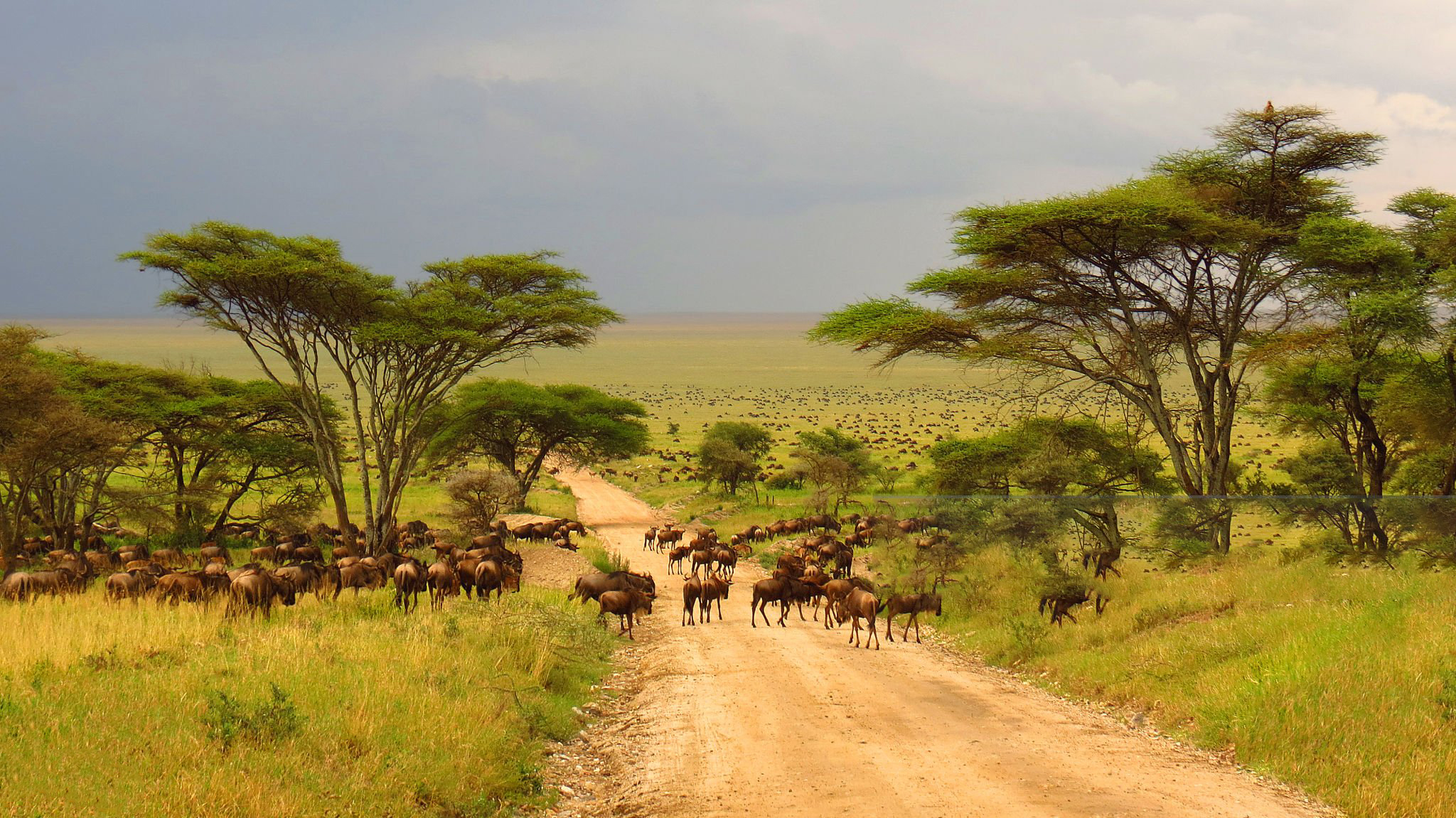
The route gives you a good balance of game drives, scenic travel and time in the parks rather than trying to rush through too many destinations. Tarangire is particularly known for elephants and its large baobab trees, while the Serengeti offers outstanding year-round wildlife viewing and is the setting for the Great Wildebeest Migration.
7-Day Ultimate Tanzania Safari Highlights
- Explore Tarangire National Park, famous for elephants, baobabs and excellent birdlife.
- Enjoy a scenic drive through the Great Rift Valley and the Ngorongoro Highlands.
- Descend into the Ngorongoro Crater for a full-day wildlife experience.
- Spend three nights in the Serengeti, allowing plenty of time for game drives.
- Look for lions, leopards, cheetahs, elephants, buffaloes, giraffes, zebras, wildebeest and other wildlife.
- Experience the changing landscapes of northern Tanzania, from Tarangire’s baobab-studded plains to the open grasslands of the Serengeti.
- Follow the Great Migration when your travel dates and the location of the herds allow.
- Enjoy comfortable evenings at safari lodges or tented camps after each day’s adventure.
7-Day Tanzania Safari Detailed Itinerary
Day 1: Arusha – Tarangire National Park
Distance: Approximately 120 km
Driving time: About 2–3 hours, depending on the location of your accommodation and road conditions
Accommodation: Tarangire area
Meals: Lunch and dinner
Your safari begins in the morning with collection from your hotel in Arusha. After meeting your safari guide and completing a short briefing, you will leave the town behind and drive towards Tarangire National Park.
The journey takes you through the countryside, with views of local villages, farms and the changing scenery of northern Tanzania. As you approach Tarangire, the landscape becomes drier and more open, with acacia trees and impressive baobabs appearing along the way.
After entering the park, you will begin your first game drive.
Tarangire is one of the best places in Tanzania to see elephants, and the park is also known for its large baobab trees and diverse wildlife. Depending on the season and where animals are concentrated, you may see elephants, giraffes, zebras, wildebeest, buffaloes, impalas, warthogs, baboons and various antelope species. Lions and other predators are also present.
You will stop at a suitable picnic area for lunch before continuing with the afternoon game drive.
As the afternoon progresses, your guide will look for wildlife around the Tarangire River and other areas where animals gather. The river is particularly important during dry periods when wildlife concentrates around available water.
Later in the afternoon, you will leave the park and drive to your lodge or tented camp for dinner and overnight.
Overnight: Tarangire area
Meal Plan: Lunch and Dinner
Day 2: Tarangire – Ngorongoro Highlands
Distance: Approximately 150–180 km, depending on accommodation
Driving time: About 3–4 hours excluding game viewing
Accommodation: Karatu / Ngorongoro Highlands
Meals: Breakfast, lunch and dinner
Wake up to the peaceful sounds of the African bush and enjoy breakfast at your lodge.
After breakfast, you will have the option of an early morning game drive in Tarangire before leaving the park. The morning is a good time for wildlife viewing, as temperatures are cooler and many animals are active.
After the game drive, you will begin the journey towards the Ngorongoro Conservation Area.
The route takes you through the highlands, with a noticeable change in scenery as you climb away from the low-lying Tarangire landscape. You will pass through local communities and agricultural areas before reaching the cooler surroundings of the Ngorongoro Highlands.
Lunch will be taken along the way or at your lodge, depending on the day’s schedule.
In the afternoon, you can relax at your accommodation or take part in an optional cultural experience, such as a visit to a local community or a guided walk, depending on your chosen lodge and available activities.
The evening is spent enjoying the cool highland climate before dinner.
Overnight: Karatu / Ngorongoro Highlands
Meal Plan: Breakfast, Lunch and Dinner
Day 3: Ngorongoro Crater – Full-Day Crater Game Drive
Accommodation: Karatu / Ngorongoro area
Meals: Breakfast, picnic lunch and dinner
Today is one of the main highlights of your safari.
You will wake early and have breakfast before driving towards the Ngorongoro Crater. After reaching the crater rim, your vehicle will descend onto the crater floor for a game drive.
The Ngorongoro Crater is a vast volcanic caldera and provides a remarkable setting for wildlife viewing. The crater floor contains grasslands, wetlands, woodland and a central soda lake, creating different habitats for a wide range of animals.
During your game drive, keep your eyes open for lions, elephants, buffaloes, zebras, wildebeest, hippos, hyenas, jackals, gazelles and many species of birds. With good luck and the right conditions, you may also have the opportunity to see black rhino.
Your guide will choose the best areas to explore according to wildlife movements and current conditions.
A picnic lunch will be served at a designated picnic area, allowing you to enjoy the surroundings before continuing with the afternoon game drive.
Later in the afternoon, you will ascend from the crater and return towards your accommodation.
The evening is free to relax, enjoy dinner and prepare for the next stage of your safari.
Overnight: Karatu / Ngorongoro area
Meal Plan: Breakfast, Lunch and Dinner
Day 4: Ngorongoro – Serengeti National Park
Distance: Approximately 150 km or more depending on your camp location
Driving time: Several hours including game viewing
Accommodation: Serengeti National Park
Meals: Breakfast, lunch and dinner
After breakfast, you will leave the Ngorongoro Highlands and continue towards the Serengeti.
This is not simply a transfer day. The journey itself becomes part of your safari as you travel through the Ngorongoro Conservation Area towards the Serengeti.
As you move further west, the scenery gradually changes from the highlands and volcanic landscape to open grasslands. Eventually, you reach the vast plains for which the Serengeti is famous.
The Serengeti is one of Tanzania’s premier wildlife destinations and supports a remarkable variety of resident wildlife. The park is also central to the annual Great Wildebeest Migration, although the location of the herds changes throughout the year.
Depending on your arrival time, you will have a game drive on the way to your lodge or camp.
You may encounter wildebeest, zebras, gazelles, giraffes, elephants, buffaloes and large predators such as lions, cheetahs and hyenas.
After reaching your accommodation, you will check in and have time to relax before dinner.
Overnight: Serengeti National Park
Meal Plan: Breakfast, Lunch and Dinner
Day 5: Serengeti National Park – Full-Day Game Drive
Accommodation: Serengeti National Park
Meals: Breakfast, picnic lunch and dinner
Today is dedicated entirely to the Serengeti.
An early start is recommended because the cooler morning hours are often productive for wildlife viewing. After breakfast, you will head out with your guide for a full-day game drive.
The exact area explored will depend on the season, recent wildlife sightings and the location of your accommodation.
The Serengeti is home to large populations of lions, leopards, cheetahs, elephants, buffaloes, giraffes, zebras, wildebeest and numerous smaller animals. The park also supports more than 500 bird species according to Tanzania’s national parks authority.
Your guide will spend time searching for predator activity, following fresh tracks and checking areas where animals are known to gather.
If your visit coincides with the Great Migration, your route can be planned around the location of the wildebeest and zebra herds. However, wildlife movements are natural and cannot be guaranteed on a specific date.
You will stop for a picnic lunch at an appropriate designated location before continuing your game drive.
The afternoon provides another opportunity to explore the plains and search for predators becoming more active as temperatures begin to fall.
Return to camp or lodge in the late afternoon or early evening.
Overnight: Serengeti National Park
Meal Plan: Breakfast, Lunch and Dinner
Day 6: Serengeti National Park – Another Full Day of Safari
Accommodation: Serengeti National Park
Meals: Breakfast, picnic lunch and dinner
Your final full day in the Serengeti gives you another opportunity to explore the park without having to rush towards your next destination.
After breakfast, set off for another game drive. Having already spent time in the park, your guide can adjust today’s route based on what you have seen so far and the latest wildlife information.
You may explore a different part of the Serengeti, looking for areas with fewer vehicles or following up on wildlife sightings from the previous day.
The day can include a mixture of open plains, kopjes, river areas and woodland depending on your location and the season.
Serengeti’s famous kopjes are particularly interesting places to explore. These large granite rock formations rise above the surrounding plains and are often used by lions and other animals as resting or lookout points.
There will be plenty of opportunities for photography throughout the day.
For guests interested in photography, this is also a good day to spend more time at selected sightings rather than trying to see as many animals as possible. Your safari guide can help position the vehicle appropriately and allow you time to observe animal behaviour.
After the afternoon game drive, return to your camp or lodge for your final night in the Serengeti.
Overnight: Serengeti National Park
Meal Plan: Breakfast, Lunch and Dinner
Day 7: Serengeti – Ngorongoro Highlands – Arusha
Distance: Approximately 250–300+ km depending on route and accommodation
Driving time: Several hours
Meals: Breakfast and lunch
Wake up early for breakfast before beginning your journey out of the Serengeti.
If time allows, you can enjoy a short morning game drive before starting the return journey. Morning drives can provide one final chance to see wildlife before leaving the park.
You will then travel back towards the Ngorongoro Highlands and continue towards Arusha.
The journey gives you a final opportunity to enjoy the changing landscapes of northern Tanzania. You will pass through rural communities and agricultural areas before reaching Arusha.
Lunch will be arranged along the way or at a suitable stop depending on the timing of the journey.
You will arrive in Arusha in the afternoon or early evening, where your safari ends.
Your guide will drop you at your hotel, airport or another agreed location.
End of the 7-Day Tanzania Safari.
Meal Plan: Breakfast and Lunch
Safari Summary
| Day | Destination | Main Activity | Overnight |
|---|---|---|---|
| Day 1 | Arusha – Tarangire | Afternoon game drive | Tarangire |
| Day 2 | Tarangire – Ngorongoro | Morning game drive & scenic transfer | Karatu / Ngorongoro |
| Day 3 | Ngorongoro Crater | Full-day crater game drive | Karatu / Ngorongoro |
| Day 4 | Ngorongoro – Serengeti | Transfer & game drive | Serengeti |
| Day 5 | Serengeti | Full-day game drive | Serengeti |
| Day 6 | Serengeti | Full-day game drive | Serengeti |
| Day 7 | Serengeti – Arusha | Morning game drive & transfer | End of safari |
Wildlife You May See
This safari offers excellent opportunities to see a wide range of Tanzanian wildlife, including:
- Lions
- Leopards
- Cheetahs
- Elephants
- Buffaloes
- Black rhinos
- Giraffes
- Zebras
- Wildebeest
- Hippos
- Hyenas
- Warthogs
- Impalas
- Gazelles
- Baboons
- Jackals
- Ostriches
- Flamingos and other waterbirds
- Eagles, vultures and many other bird species
Wildlife sightings are never guaranteed because the animals move freely in their natural environment. Your safari guide will use local knowledge and recent sightings to give you the best possible opportunities.
Best Time for This Safari
This itinerary can be operated throughout the year, but different seasons offer different experiences.
June to October is generally a popular period for wildlife viewing because the weather is relatively dry and animals are easier to locate around remaining water sources. It is also an important period for following sections of the Great Migration, depending on where the herds are at the time. TANAPA identifies June–October as a strong period for migration viewing in the Serengeti.
January to February can be particularly rewarding for visitors interested in the wildebeest calving season, depending on annual conditions and the location of the herds.
November to December brings the short rains, which can transform the landscapes into fresh green scenery and attract wildlife and migratory birds.
March to May is the long-rain period. The parks remain open, and this period can offer lush landscapes, fewer visitors and good photographic conditions, although some roads and travel schedules can be affected by heavy rainfall.
What’s Included
A typical private safari package includes:
- Private 4×4 safari vehicle
- Professional English-speaking safari driver-guide
- Accommodation for 6 nights
- Breakfast, lunch and dinner during the safari
- Picnic lunches where required
- All scheduled game drives
- Park and conservation area entry fees
- Ngorongoro Crater fees
- Government taxes and tourism levies
- Drinking water in the safari vehicle
- Airport or hotel transfers where agreed
- All activities mentioned in the itinerary
What’s Not Included
Unless specifically included in your quotation, the following are normally excluded:
- International flights
- Domestic flights
- Tanzania visa
- Travel insurance
- Personal shopping
- Alcoholic and soft drinks at lodges
- Laundry services
- Tips for safari guides and lodge staff
- Optional activities such as hot-air balloon safaris
- Personal expenses
- Additional accommodation before or after the safari
Why Choose This 7-Day Route?
This itinerary works particularly well for travelers who want to experience the three major highlights of Tanzania’s Northern Safari Circuit without adding too many destinations.
Tarangire provides a different landscape and excellent elephant viewing, Ngorongoro offers an extraordinary concentration of wildlife within a dramatic volcanic setting, and the Serengeti gives you several days to experience Tanzania’s classic open-savana safari landscape. Tanzania’s tourism authority also highlights this Tarangire–Ngorongoro–Serengeti combination as one of the country’s signature northern safari experiences.
Most importantly, the three nights in the Serengeti give the safari enough time to explore beyond a simple overnight visit. The exact Serengeti area should ideally be selected according to the month of travel and current wildlife movements, especially if seeing the Great Migration is a priority. For more details contact Summerwinters Adventure for adventurous safaris
