
7-Day Tanzania Photographic Safari: The Complete Tanzania Experience (2027–2029)
This 7-day photographic safari visits Tarangire National Park, Ngorongoro Crater and Serengeti National Park. It is planned for travellers who want to photograph Tanzania’s wildlife and landscapes while keeping travel between destinations manageable.
The safari starts in Arusha and continues to Tarangire, where elephants, baobab trees and other wildlife are common subjects. You will then travel to the Ngorongoro Highlands for a crater game drive before heading to the Serengeti for wildlife viewing across its open plains.
The itinerary includes time for game drives in each destination, although some days involve several hours of driving. Early morning and late afternoon are generally useful times for photography because the light is softer and many animals are more active. Your guide will plan the route around wildlife sightings, road conditions and the time available.
The best location for Serengeti wildlife viewing depends on your travel dates. If seeing the Great Migration is important, the route and accommodation should be chosen according to the expected location of the herds during your visit.
Day 1: Arrival in Arusha
Arrive at Kilimanjaro International Airport, where you will be met by a safari representative and transferred to your accommodation in Arusha. The drive usually takes around one hour, depending on traffic and the location of your hotel.
The rest of the day is set aside for settling in after your flight. If you arrive early, use the time to check your camera equipment, charge batteries and prepare memory cards for the safari.
Your guide can explain the route, driving times and arrangements for the coming days. If you arrive late, the briefing can take place the following morning.
Overnight: Arusha
Meals: Depending on your arrival time and accommodation package
Day 2: Arusha to Tarangire National Park
After breakfast, leave Arusha and drive to Tarangire National Park. The journey usually takes around two to three hours, depending on traffic and the entrance gate.
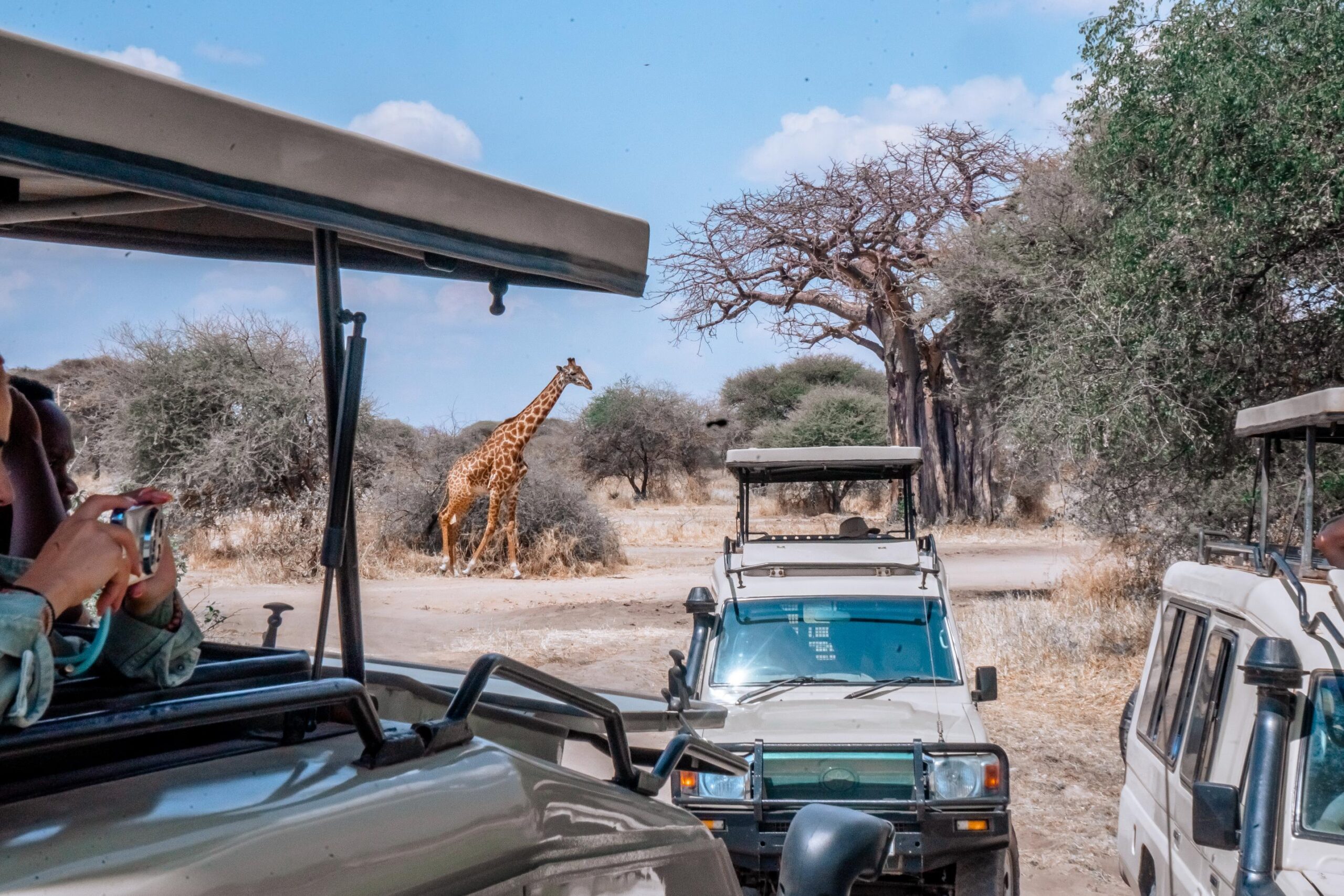
Once inside the park, begin your first game drive. Tarangire is known for its elephants, baobab trees and the Tarangire River, which attracts wildlife, particularly during the dry season. You may also see zebras, wildebeest, giraffes, buffaloes, impalas and different bird species.
The landscape provides a range of photographic opportunities. Elephants can often be seen moving between trees or gathering near water, while open grassland offers opportunities to photograph animals against the wider landscape. Wildlife sightings depend on the season and conditions on the day.
Continue with an afternoon game drive before heading to your lodge or tented camp.
Overnight: Tarangire area
Meals: Breakfast, lunch and dinner
Day 3: Morning Game Drive and Transfer to the Ngorongoro Highlands
Start the day with an early game drive in Tarangire. Morning light is often suitable for photography, and you may see animals feeding or moving through the park before the day becomes hotter.
Your guide will choose the route based on recent sightings and the time available. You may look for elephants, giraffes, zebras and other wildlife around the river, woodland and open plains.
After the game drive, leave Tarangire and continue towards the Ngorongoro Highlands or Karatu. The drive takes several hours, depending on your starting point and route. The scenery changes as you leave the drier landscape and approach greener farmland and forested slopes.
Arrive at your accommodation in the afternoon or evening. The rest of the day is for relaxing and preparing your camera equipment for the following day’s crater visit.
Overnight: Ngorongoro Highlands or Karatu
Meals: Breakfast, lunch and dinner
Day 4: Wildlife Photography in Ngorongoro Crater
Leave early for Ngorongoro Crater. After reaching the crater rim, descend to the floor for a game drive through grassland, woodland and wetland habitats.
The crater is home to a wide range of wildlife, including lions, zebras, wildebeest, buffaloes, hippos and hyenas. Black rhinos also live in the area, although sightings are not guaranteed. Waterbirds may be found around the lakes and wetlands, depending on the season and conditions.
The variety of habitats makes the crater a useful place to photograph different species in one day. Your guide will help look for wildlife and position the vehicle for viewing where possible, while following park regulations.
Enjoy a picnic lunch during the game drive, then continue exploring before ascending the crater wall. Return to your accommodation in the Ngorongoro Highlands or Karatu area in the afternoon.
Overnight: Ngorongoro Highlands or Karatu
Meals: Breakfast, picnic lunch and dinner
Day 5: Ngorongoro Area to Serengeti National Park
After breakfast, begin the journey to Serengeti National Park. The drive can take much of the day, especially when travelling by road through the Ngorongoro Conservation Area.
As you leave the highlands, the landscape opens into wide plains. Depending on the season, you may see wildebeest and zebras as you approach the Serengeti. There may be opportunities for wildlife viewing along the route, but the schedule must allow enough time to reach your camp.
The Serengeti is a large park, so the location of your accommodation is important. The best area to stay depends on the season and the wildlife you hope to photograph. Choosing a camp in a suitable location can reduce unnecessary driving during the remaining game drives.
Arrive at your lodge or tented camp, settle in and prepare for an early start the next morning.
Overnight: Serengeti National Park
Meals: Breakfast, lunch and dinner
Day 6: Full-Day Photographic Safari in the Serengeti
Spend the day exploring the Serengeti on game drives. An early start gives you time to look for wildlife during the cooler hours, when the light is often softer.
The Serengeti is home to lions, leopards, cheetahs, elephants, giraffes, hyenas and many other species. Large herds of wildebeest and zebras may also be seen, depending on the season and their location.
Your guide will plan the route around recent sightings and the location of your camp. You may explore open grassland, rocky kopjes, river areas or woodland. These habitats provide different opportunities for photographing wildlife and the surrounding landscape.
A picnic lunch can be arranged to allow more time in the park. Continue with afternoon game viewing before returning to camp.
If the Great Migration is within reach during your visit, your guide can plan a drive towards the herds. Migration locations change throughout the year, and river crossings are unpredictable, so particular sightings cannot be guaranteed.
Overnight: Serengeti National Park
Meals: Breakfast, lunch and dinner
Day 7: Morning Game Drive and Departure
Depending on your departure schedule, begin with an early morning game drive in the Serengeti. This is your final opportunity to photograph wildlife before leaving the park.
After breakfast, transfer to the airstrip for a scheduled flight to Arusha if a domestic flight is included in your booking. Flight times, routes and baggage limits depend on the airline and should be confirmed before travel.
On arrival in Arusha, continue to the airport or your accommodation according to your onward travel arrangements. If you have an international flight departing the same day, allow enough time for the domestic flight, check-in and possible delays. An overnight stay in Arusha may be needed if the connection is tight.
This marks the end of your 7-day photographic safari in Tanzania.
Meals: Breakfast, depending on departure time and arrangements
7-Day Tanzania Photographic Safari What Is Included
- Airport transfers as stated in the final itinerary
- Accommodation during the safari
- Meals as listed for each day
- Private 4×4 safari vehicle and professional driver-guide, if booked as a private safari
- Park entry and conservation fees for the listed itinerary
- Game drives in Tarangire, Ngorongoro and Serengeti
- Domestic flight from the Serengeti to Arusha, if included in the confirmed package
- Drinking water in the safari vehicle, according to the operator’s arrangements
7-Day Tanzania Photographic Safari What Is Not Included
- International flights to and from Tanzania
- Tanzania visa fees
- Travel and medical insurance
- Tips for the driver-guide and lodge staff
- Alcoholic drinks and personal expenses
- Camera equipment, lenses and other photography accessories
- Optional activities not listed in the itinerary
- Extra accommodation or transfers caused by changes to international flight schedules
- Any service not specifically stated in the final quotation
7-Day Tanzania Photographic Safari Best Time for a Safari
Tanzania offers wildlife photography opportunities throughout the year, but weather conditions and wildlife movements vary by season.
- June to October: Generally a dry period with good wildlife viewing in many areas. This is a busy travel season, so accommodation should be booked early.
- January to March: The southern Serengeti and Ndutu area can be good places to look for wildebeest during the calving season. The location of the herds varies from year to year.
- November to December: Short rains may bring greener landscapes and changing wildlife movements. Some roads can become muddy.
- March to May: The long rains can affect road conditions and travel times. Some camps may close seasonally, although the landscape can be attractive for photography.
If the Great Migration is a priority, the Serengeti route should be planned around the expected location of the herds during your travel dates. Wildlife movements depend on rainfall and grazing conditions, so sightings cannot be guaranteed.
7-Day Tanzania Photographic Safari Equipment to Bring
For this safari, consider bringing:
- A camera with spare batteries and memory cards
- A telephoto lens for distant wildlife
- A standard zoom lens for animals and landscapes
- A wide-angle lens for landscape photography
- A beanbag or suitable camera support for use in the safari vehicle
- A dust-resistant camera bag
- A lens cloth and basic cleaning kit
- Binoculars
- Power bank and charging equipment
- A warm jacket for early mornings and cool evenings
A long telephoto lens can be useful, but professional equipment is not essential. Your guide can help with vehicle positioning for viewing and photography where conditions and park rules allow.
7-Day Tanzania Photographic Safari Booking Notes for 2027–2029
Book early if you plan to travel between June and October or want to stay at a particular camp in the Serengeti. Camps in popular wildlife areas can fill up well in advance, especially during migration periods.
Before confirming your booking, check the location of each camp, the number of nights in each park, whether the Serengeti-to-Arusha flight is included and the luggage allowance for any light aircraft. These flights often have strict baggage limits and may require soft-sided bags.
Because this is a 7-day itinerary, some days involve longer drives and there is limited flexibility if you want to spend extra time at a wildlife sighting. The final route and accommodation arrangements should be based on your travel dates, camp availability, flight schedules and main photography interests.
For more information contact https://summerwinteradventures.com/
