
7-Day Beautiful Wildlife Safari (2027–2029)
Introduction
The 7-Day Beautiful Wildlife Safari is a wildlife journey through some of the best-known destinations in northern Tanzania. The itinerary combines the elephant country of Tarangire National Park, the open plains of Serengeti National Park, and the wildlife-rich floor of Ngorongoro Crater. The trip begins in Arusha and ends in Arusha or at Kilimanjaro International Airport, depending on your onward travel arrangements.
Seven days is a useful amount of time for travellers who want to experience several different wildlife habitats without spending the entire trip moving between destinations. This itinerary includes a full day in the Serengeti, an additional morning for wildlife viewing, and a crater excursion before the return journey. It also allows time for road transfers, meals, and overnight stays.
Tarangire provides a good introduction to Tanzania’s wildlife. The park is known for its elephants, baobab trees, and riverine habitats. During the drier months, animals may gather around reliable water sources, creating good opportunities for observation. The Serengeti offers a much wider landscape, with grasslands, rocky outcrops, woodland, and river valleys. It supports large populations of herbivores and predators, although their locations change with the season. Ngorongoro Crater provides a different experience, with a relatively compact wildlife area surrounded by steep volcanic walls.
The safari is planned for 2027, 2028, and 2029. Exact accommodation, park fees, travel times, and activity arrangements should be confirmed for the selected dates. Seasonal conditions can affect the route, so the final programme may be adjusted to suit road conditions, the location of wildlife, and accommodation availability.
This is a road-based safari using a private 4×4 vehicle and a professional driver-guide. It is suitable for travellers who want to spend time looking for animals, learn about the different habitats, and enjoy the scenery between destinations. Wildlife sightings are never guaranteed, but a knowledgeable guide can make practical decisions based on current conditions and recent reports.
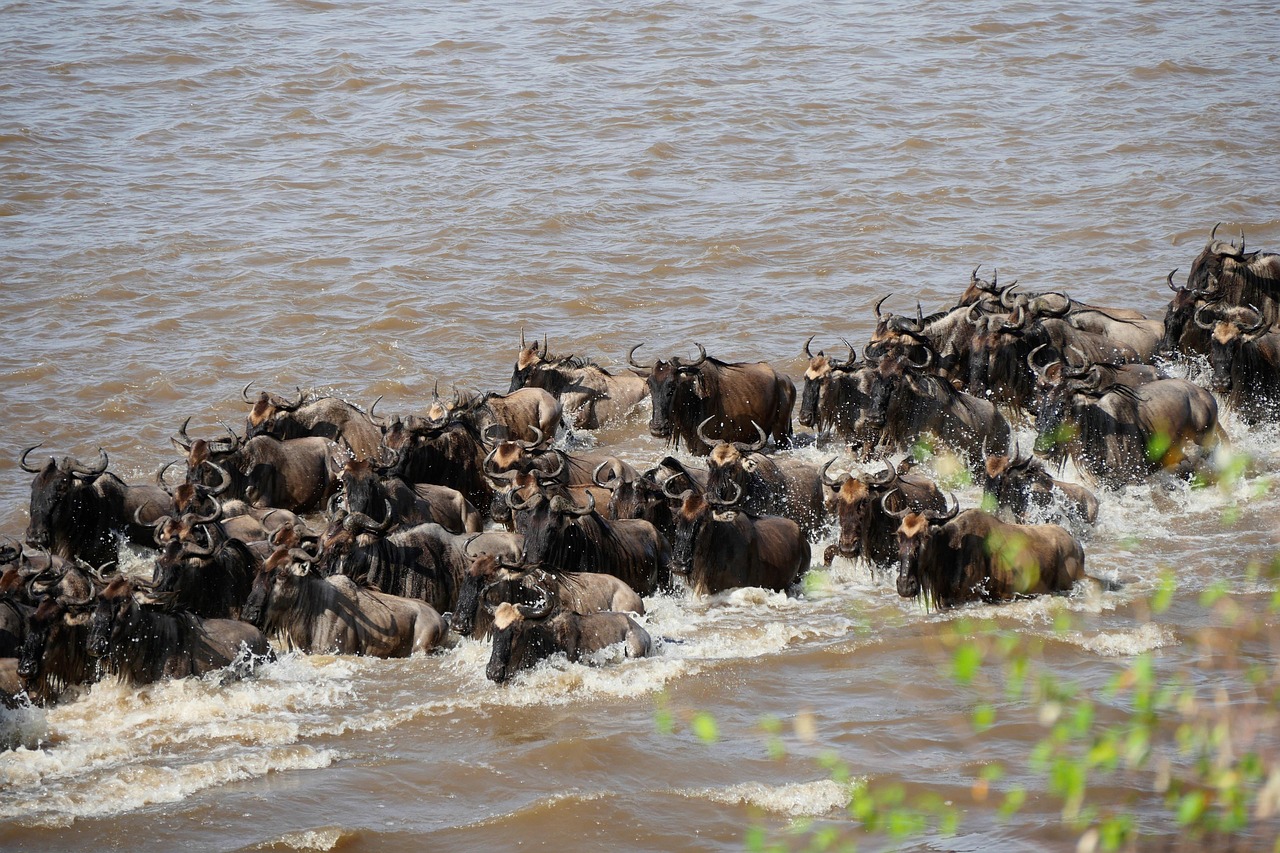
Overview for 7-Day Beautiful Wildlife Safari
- Safari name: 7-Day Beautiful Wildlife Safari
- Travel period: 2027–2029
- Duration: 7 days and 6 nights
- Starting point: Arusha, Tanzania
- Ending point: Arusha or Kilimanjaro International Airport
- Main destinations: Tarangire National Park, Serengeti National Park, and Ngorongoro Crater
- Transport: Private 4×4 safari vehicle
- Guide: Professional English-speaking driver-guide, subject to the package confirmed
- Accommodation: Lodges or tented camps selected according to budget and availability
- Meals: Usually breakfast, lunch, and dinner during the safari, as specified in the final quotation
- Safari style: Wildlife viewing, scenic road transfers, and time to explore the parks
- Pace: Moderate, with early departures and several hours of driving on transfer days
Main highlights
- Search for elephants and other wildlife in Tarangire National Park.
- See the park’s distinctive baobab trees, woodland, and river landscapes.
- Travel through the changing scenery of the Ngorongoro Conservation Area.
- Spend time looking for lions, cheetahs, leopards, hyenas, and plains wildlife in the Serengeti.
- Enjoy an extended game drive in one of Tanzania’s most famous wildlife areas.
- Descend into Ngorongoro Crater for a dedicated wildlife-viewing excursion.
- Experience three different wildlife destinations during one trip.
- Enjoy the flexibility of a private safari schedule, subject to park rules and road conditions.
Day 1: Arrival in Tanzania and Transfer to Arusha
Arrival at Kilimanjaro International Airport
Your safari begins when you arrive at Kilimanjaro International Airport. A representative from the safari company will meet you at the agreed meeting point and assist with your luggage before transferring you to your hotel in Arusha.
The drive from the airport to Arusha commonly takes around one to two hours, depending on traffic, the location of the hotel, and the time of day. If your flight arrives during a busy period, the transfer may take longer. For this reason, the first day is kept relatively light.
As you travel towards Arusha, you will pass through rural and built-up areas, with roadside shops, farms, settlements, and local transport along the route. On a clear day, you may see Mount Meru rising above the surrounding landscape. The scenery provides an introduction to northern Tanzania before the safari moves into the national parks.
Arusha is a major starting point for safaris to Tarangire, Serengeti, and Ngorongoro. It has hotels, restaurants, shops, and travel services, making it a convenient place to rest before the journey begins.
Hotel check-in and time to rest
After reaching your hotel, check in and settle into your room. Depending on your arrival time, you may have lunch, relax in the garden, or spend a little time organising your belongings.
International flights can be tiring, particularly when there are connections or overnight travel. It is better to allow time to recover than to arrange a demanding activity immediately after arrival.
If you have brought a camera, binoculars, or other equipment for wildlife viewing, check that everything is working. Charge batteries, organise memory cards, and keep the items you will need during the safari in an accessible day bag.
This is also a good time to check your clothing and travel documents. Keep your passport and other important documents secure, and make sure any personal medication is packed where you can reach it easily.
Safari briefing
Your guide or safari representative may meet you at the hotel to explain the programme. The briefing should cover the expected departure time, the route to Tarangire, the planned accommodation, and the arrangements for meals.
Tell the operator about any food allergies, special dietary requirements, or mobility concerns. If you are travelling with children, mention their ages so that the guide can help manage breaks and daily driving times.
The guide can also discuss your wildlife interests. Some travellers want to spend as much time as possible looking for predators, while others are particularly interested in elephants, birds, landscapes, or photography. These preferences can help shape the game drives, although sightings will always depend on the animals’ movements.
Evening in Arusha
Enjoy dinner at the hotel or another agreed location. If you arrive late, dinner arrangements may depend on the hotel’s service hours and your booking.
Prepare for the following morning by setting out comfortable clothes, a hat, sunscreen, and a water bottle. Keep your camera or binoculars ready if you plan to use them during the drive.
Your guide will confirm the departure time before the day ends. An early start is useful because it allows time for the journey to Tarangire and leaves a good part of the day for wildlife viewing.
Accommodation: Hotel or lodge in Arusha.
Meals: Dinner, depending on arrival time and the confirmed package.
Transport: Airport transfer to Arusha.
Practical note: If your international flight arrives very late, consider arranging an extra night before the safari rather than attempting a long drive immediately after arrival.
Day 2: Arusha to Tarangire National Park
Morning departure from Arusha
After breakfast, meet your driver-guide and leave Arusha for Tarangire National Park. The road journey generally takes around two and a half to three hours, depending on traffic, the selected gate, road conditions, and the location of your accommodation.
The journey passes through rural areas and settlements where people work in farming, trade, transport, and other local activities. As the drive continues, the surroundings become more open, with dry-country vegetation and scattered trees appearing along the route.
Your guide will explain the day’s arrangements and may point out interesting features along the way. The priority is to reach the park in good time while allowing for the necessary entry procedures.
Tarangire is an important part of Tanzania’s northern safari circuit. It is known for elephants and its baobab-dotted landscapes, with the Tarangire River providing an important water source for wildlife. More information is available through the official Tarangire National Park visitor guide.
Entering Tarangire National Park
Once the entry arrangements are completed, begin your game drive. The guide will select a route based on the time available, the season, recent sightings, and the condition of the roads.
Tarangire’s landscape includes open grassland, woodland, riverine vegetation, swamps, and areas dominated by large baobab trees. These habitats support a variety of mammals and birds, so there is plenty to look for beyond the larger animals.
Elephants are among the park’s most recognisable residents. You may see family groups feeding on leaves, walking between trees, or moving through the grass. Young elephants often remain close to adults, and the herd’s movements can be interesting to observe.
If elephants are near the road, your guide will stop at a suitable distance and allow them to move naturally. Do not ask the driver to block their route or move closer simply for a photograph. Elephants can change direction quickly and require plenty of space.
Morning wildlife viewing
As the game drive continues, look for giraffes browsing on trees, zebras feeding in open areas, and wildebeest moving between grazing grounds. Buffaloes may be seen in groups, while impalas and other antelope species can appear along woodland edges.
Warthogs may be seen feeding with their heads close to the ground or moving quickly through the grass. Baboons and other smaller animals may also appear, depending on the area being explored.
Predators are present in Tarangire, although sightings depend on their location and activity. Lions may rest in shade during the warmer hours, while leopards can be difficult to spot in thick vegetation or among branches. Your guide may look for signs of recent activity, such as alarm calls from other animals, but these clues do not guarantee a sighting.
Birdlife is another part of the experience. Depending on the habitat, you may see hornbills, eagles, vultures, rollers, and other species. Binoculars are useful for observing birds that remain high in trees or far across the grassland.
Take time to notice the baobab trees. Their broad trunks and unusual shapes create a distinctive landscape. In some areas, they stand among grassland and woodland, providing a different setting from the open plains you will encounter later in the Serengeti.
Lunch break
Lunch may be a packed meal at an authorised picnic site or an arrangement made through your lodge. Your guide will confirm where the break will take place.
At picnic areas, keep food secure and avoid leaving bags unattended. Monkeys and other animals may approach areas where visitors are eating. Do not feed them, and do not leave food waste behind.
Use the break to drink water, rest, and check your equipment. The midday sun can be strong, so a hat, sunscreen, and lightweight clothing are useful.
Afternoon game drive
After lunch, continue exploring the park. The afternoon drive may cover a different area from the morning, depending on wildlife reports and the distance already travelled.
During drier months, animals may concentrate around reliable water sources. This can provide opportunities to observe elephants, buffaloes, and other herbivores as they feed or move towards water. During greener periods, animals may be more widely distributed across the park.
Your guide will decide whether to follow a recent sighting or explore another habitat. There is no need to rush between every reported animal. Spending time observing a herd, watching birds, or learning about animal behaviour can be just as rewarding as finding a predator.
As the day progresses, the light may become softer, which can be useful for photography. If elephants are walking beneath baobab trees or giraffes are feeding near the edge of the woodland, the guide may stop where it is safe and permitted.
Game drives must remain on authorised roads, and visitors should follow the park’s regulations. The driver-guide will manage the route and decide when it is appropriate to stop.
Evening transfer to the lodge
At the end of the game drive, leave the park according to the day’s schedule and travel to your accommodation in the Tarangire area or nearby. The exact journey depends on where the lodge or tented camp is located.
After checking in, take time to freshen up and relax. Dinner is usually served at the accommodation, and the guide may review the following day’s route.
The next day includes a longer journey to the Serengeti, so it is useful to organise your luggage and prepare anything you want to keep close during the drive.
Accommodation: Lodge or tented camp in the Tarangire area.
Meals: Breakfast, lunch, and dinner, according to the confirmed package.
Wildlife to look for: Elephants, giraffes, zebras, wildebeest, buffaloes, impalas, warthogs, lions, and birds.
Day 3: Tarangire Area to Serengeti National Park
Early breakfast and departure
Enjoy breakfast before leaving for the Serengeti. This is one of the longer road-transfer days of the safari, so an early departure is important.
The journey time depends on your starting point, the route, road conditions, park-entry procedures, and the location of your Serengeti accommodation. It is best to treat the drive as a substantial part of the day’s programme rather than expect to spend the entire day on game drives.
Your route will generally pass through the Ngorongoro Conservation Area before continuing towards the Serengeti. The landscape changes gradually from cultivated areas and highland scenery to wider grasslands and open plains.
During the drive, you may pass rural settlements, farms, woodland, and areas used for livestock grazing. Your guide can explain the geography and the relationship between the conservation areas and the surrounding communities.
Make use of planned stops for bathroom breaks and refreshments. The guide will select appropriate places to stop, taking account of road conditions and the time needed to reach the destination.
Crossing the Ngorongoro landscape
The journey through the Ngorongoro area introduces you to a different landscape from Tarangire. Parts of the route include highland scenery, grass-covered slopes, and views across broad valleys.
The Ngorongoro Conservation Area is a wider conservation landscape, not simply the crater itself. It contains several habitats and is managed under rules that differ in some respects from those of a national park.
If the itinerary includes an agreed stop at a visitor site, your guide will explain the time required and any additional costs. Such stops should be planned in advance, since they can affect the arrival time at your Serengeti accommodation.
As the route continues towards the Serengeti, the scenery becomes increasingly open. The plains extend over a large area, with scattered rocky outcrops, seasonal watercourses, and patches of woodland.
Entering the Serengeti
After completing the necessary park-entry arrangements, begin wildlife viewing as time permits. Depending on the route and your arrival time, the drive to camp may itself provide opportunities to see animals.
The Serengeti is well known for its large herbivore populations and predators. Wildebeest and zebras are important parts of the ecosystem, while lions, cheetahs, leopards, hyenas, and other carnivores use different habitats across the region.
Elephants, giraffes, buffaloes, and several antelope species may also be encountered. Birds add variety to the drive, particularly in open areas and around suitable water sources.
The exact wildlife distribution changes with the season. If your travel dates coincide with the Great Migration in a particular part of the ecosystem, the guide may plan the route around the expected location of the herds. The migration does not remain in one place throughout the year, so the final plan should reflect the month of travel.
Official information about the park is available from Serengeti National Park.
Afternoon game drive
If time allows, take an afternoon game drive before heading to camp. Your guide may focus on the area around the camp or on a route where recent reports suggest good wildlife activity.
Lions may be seen resting under trees or moving through grassland. If a pride is found, observe how the animals interact and whether any individuals are alert or moving. Lions often rest during the warmer part of the day, so a sighting may involve watching rather than following an active hunt.
Cheetahs are often associated with open areas where they can scan for prey. They may remain still for long periods, watching the surrounding plains. If a cheetah is found, the guide will keep a suitable distance and allow the animal to move freely.
Leopards are more difficult to locate. They may rest in trees or remain concealed in thick vegetation. A sighting is possible, but it should not be treated as a guaranteed part of the safari.
You may also see herds of wildebeest and zebras grazing on the plains. These animals are interesting to watch even when no predator is nearby. Notice how they move together, react to sounds, and remain alert to possible danger.
Arrival at camp
Reach your lodge or tented camp in the late afternoon or early evening, depending on the day’s route and conditions. After checking in, take time to rest before dinner.
If you are staying at a tented camp, follow staff instructions about moving around after dark. Some camps require guests to be escorted between tents and common areas because wildlife may pass nearby.
Your guide can explain the following day’s plan during a short briefing. Since you will have a full day in the Serengeti, the route can be planned around wildlife viewing rather than a long transfer.
Accommodation: Lodge or tented camp in the Serengeti.
Meals: Breakfast, lunch, and dinner, according to the confirmed package.
Main focus: Travel through northern Tanzania and reach the Serengeti for an initial game drive if time allows.
Day 4: Full-Day Wildlife Safari in the Serengeti
Early morning departure
Today is dedicated to wildlife viewing in the Serengeti. An early start is useful because many animals are active during the cooler hours of the morning.
After an early breakfast or a light meal prepared by the camp, leave with your guide for a game drive. The departure time will depend on the camp’s location and the park’s operating requirements.
The Serengeti is a large ecosystem, and the best route depends on where you are staying. If your accommodation is in the central region, your guide may explore the Seronera area and nearby plains or river valleys. If you are staying in another region, the route should be based on the local wildlife conditions rather than attempting to cover an unnecessarily large distance.
Morning drives can produce a range of sightings. You may find herbivores feeding, predators returning to resting places, or birds of prey scanning the ground. Wildlife activity changes from day to day, so patience is important.
Searching for lions
Lions are among the animals visitors most often hope to see in the Serengeti. They may rest in shade, lie among rocks, or move across open ground. A pride may include adults and younger animals, but group size and behaviour vary.
If you find lions, allow time to observe them. You may see individuals grooming one another, cubs playing, or adults moving to a different resting place. Even when the animals are resting, a sighting can provide a chance to learn about their social behaviour.
Your guide will position the vehicle carefully and avoid blocking the animals’ movement. If several vehicles are present, patience and consideration for other visitors help maintain a better viewing experience.
Looking for cheetahs and leopards
Cheetahs are often associated with open plains where they can see across the grassland. They may spend time scanning for prey before moving to another location. If a cheetah begins walking or hunting, the guide will assess whether it is possible to follow without disturbing the animal or creating unsafe driving conditions.
Leopards are generally more difficult to see because they often remain hidden. They may rest in trees or use dense vegetation as cover. A guide may follow reliable information from other guides or look for signs of animal activity, but no method guarantees a sighting.
Hyenas may be encountered travelling, resting, or searching for food. They are important predators and scavengers, and observing their behaviour can add another dimension to the safari.
Herbivores and the plains
The Serengeti is home to large populations of wildebeest and zebras. Their distribution changes during the year as they move in response to rainfall and grazing conditions. Some areas may hold large concentrations of animals, while others have smaller groups spread across wide grasslands.
Watch how herds feed and move. Wildebeest may travel in groups across open ground, while zebras often graze nearby. Both species remain alert to predators and may respond quickly to unusual movement or sound.
Giraffes may be seen browsing on trees, and elephants may move through woodland or open country. Gazelles and other antelope species can be found in suitable habitats. Ostriches and other birds may also appear on the plains.
Understanding the Great Migration
The Great Migration is a year-round movement of wildebeest and other herbivores across the Serengeti ecosystem and adjoining areas. The herds follow changing grazing conditions, so their location depends on rainfall and the availability of fresh grass.
During some months, large groups may be concentrated in the southern plains. At other times, herds may be moving through central or western areas, or towards the northern Serengeti. River crossings can occur when herds reach suitable rivers, but the timing is unpredictable.
If migration viewing is a priority, tell the safari company your preferred travel dates before booking. The accommodation may need to be located in a particular region to reduce driving and improve the time available for wildlife viewing. Even with careful planning, the herds can change direction and move away from the expected area.
Lunch and midday rest
Lunch may be served at camp or provided as a packed meal at an authorised picnic site. The guide will arrange the break according to the route and the park’s rules.
Use this time to rest, drink water, and protect yourself from the sun. If you are carrying a camera, check your battery level and memory cards. Dust can collect inside safari vehicles, so keep sensitive equipment in a protective bag when it is not in use.
Do not leave food or rubbish behind. Follow the guide’s instructions about where to eat and where it is safe to leave the vehicle.
Afternoon game drive
Continue exploring the Serengeti after lunch. Your guide may choose a different area from the morning or return to a location where wildlife activity has been promising.
The afternoon can be useful for looking for animals that were not found earlier. It may also offer opportunities to watch groups of herbivores feeding or moving across the plains.
Birdlife is worth watching throughout the drive. Eagles and vultures may circle overhead, while smaller birds can be found in trees and shrubs. Your guide may identify species and explain how they fit into the local habitat.
The Serengeti is not only about the Big Five. Smaller animals, changing vegetation, rock formations, and the movement of clouds across the plains all contribute to the experience. Allowing time to notice these details makes the day more varied.
Return to camp
Return to camp in the late afternoon or early evening, according to the park’s operating requirements. After a full day in the vehicle, you will have time to wash up, relax, and enjoy dinner.
If the camp has a shared lounge or outdoor seating area, you may have an opportunity to discuss the day’s sightings with your guide or other travellers. Follow staff instructions about movement after dark.
Accommodation: Lodge or tented camp in the Serengeti.
Meals: Breakfast, lunch, and dinner, according to the confirmed package.
Main focus: A full day of game drives, with time to look for predators, large herds, birds, and the changing landscapes of the Serengeti.
Day 5: Serengeti Morning Game Drive and Transfer to Karatu
Early morning game drive
Wake up early and enjoy breakfast before leaving for a final morning game drive in the Serengeti. This extra period in the park is useful because wildlife movements can change overnight, and the guide may have new information about recent sightings.
If you have a particular interest in lions, cheetahs, elephants, or birds, tell the guide before departure. The route can be adjusted to take account of current conditions and the camp’s location.
A morning drive may reveal animals feeding or moving between resting and grazing areas. Predators can sometimes be found near places where prey animals are common, but sightings depend on the animals’ behaviour and location.
Use the opportunity to look at the smaller details of the ecosystem as well. Tracks in the road, alarm calls, and the behaviour of herbivores can provide clues about what may be happening nearby. Your guide can explain these signs, although they do not always lead to a direct sighting.
Breakfast and preparation for departure
Depending on the camp and route, you may return to camp for breakfast or take a packed meal. After the morning game drive, collect your luggage and prepare for the journey towards the Ngorongoro area and Karatu.
The drive can take several hours, depending on where you start in the Serengeti, road conditions, park procedures, and any wildlife stops. It is important to leave enough time for the transfer rather than trying to fit in a full additional day of game viewing.
Your guide will manage the departure time and explain the expected route. Keep water, a light jacket, medication, and any essential personal items within easy reach in the vehicle.
Travel through the Serengeti
As you leave the Serengeti, continue to enjoy the changing scenery. The open plains may gradually give way to other habitats, including woodland, rocky areas, and grass-covered slopes.
Wildlife may still be visible during the transfer. If the guide stops to observe animals, the stop will depend on the available time and the need to reach the next accommodation. Not every sighting can be followed for a long period on a transfer day.
The journey passes through the Ngorongoro Conservation Area. Your guide may explain the area’s conservation importance and the different rules that apply to its various zones.
If an optional stop is included in your booking, the guide will confirm how it fits into the day’s schedule. Additional visits should not be assumed unless they have been agreed in advance, since they may involve extra fees or affect arrival time.
Arrival in Karatu
Continue to Karatu, a town commonly used as an overnight base for safaris travelling between the Serengeti and Ngorongoro Crater. The surrounding area has farms, small settlements, and highland scenery.
After reaching your lodge, check in and take time to rest. The accommodation may be a lodge or tented camp, depending on the selected package.
Dinner is usually served at the property. The guide will explain the following day’s plan and confirm the departure time for Ngorongoro Crater.
The next morning may be cool, particularly if your accommodation is in the highlands. Keep a warm layer ready and prepare your camera or binoculars before going to bed.
Accommodation: Lodge or tented camp in Karatu or the Ngorongoro area.
Meals: Breakfast, lunch, and dinner, according to the confirmed package.
Main focus: A final morning in the Serengeti, followed by a transfer towards Karatu.
Day 6: Ngorongoro Crater Wildlife Safari
Early breakfast and departure
Today is dedicated to Ngorongoro Crater. After breakfast, leave your accommodation for the appropriate access point and complete the required entry arrangements before descending to the crater floor.
The departure time depends on the lodge location, permits, and the schedule confirmed for the day. An early start is useful because the excursion includes the descent, wildlife viewing, a lunch break, and the ascent.
Ngorongoro Crater is a large volcanic caldera with steep surrounding walls. Its floor includes grassland, wetland, woodland, and a lake whose appearance changes with seasonal conditions. These habitats support a wide range of animals, making the crater a major stop on the northern safari circuit.
Descending into the crater
The descent takes you from the highland rim towards the crater floor. The road passes through forested slopes before reaching more open ground. Depending on the weather, you may have clear views of the landscape or encounter cloud and mist around the rim.
Once on the floor, begin the game drive. Your guide will choose the route based on the time available, recent sightings, and the conditions in different habitats.
Zebras and wildebeest are often seen grazing on open grassland. Buffaloes may be found feeding or resting in suitable areas, while gazelles and other antelope can be seen in the grassland and woodland edges.
Warthogs may appear near open ground, and hyenas may be seen travelling or searching for food. The crater also supports a range of birdlife, including species associated with wetland and open-country habitats.
Looking for lions
Lions may be seen resting in grassland or moving across the crater floor. If the guide finds a pride, you may have time to observe the animals from a safe and appropriate distance.
Some lions may be resting, while others may be alert or moving through the area. The guide will avoid blocking their route or encouraging other vehicles to crowd the animals.
Predator sightings can be unpredictable, so it is useful to appreciate the other wildlife as well. The crater’s value is not limited to lions; the combination of habitats supports many different species.
Elephants and buffaloes
Elephants may be seen in woodland or near suitable feeding areas. Some individuals may be moving alone, while others may be observed in different social groupings. Give them space and follow the guide’s instructions.
Buffaloes may be found in herds, grazing or resting in areas where food and water are available. They are powerful animals and should never be approached on foot.
The guide will decide when it is appropriate to stop and how long to remain at a sighting. The aim is to observe the animals without disturbing them or creating unsafe conditions.
The possibility of seeing rhinoceros
Ngorongoro is one of the places where visitors may have a chance of seeing rhinoceros. These animals can be difficult to locate because they are relatively elusive and may remain at a distance.
If a rhinoceros is found, remain quiet and follow the guide’s instructions. Do not ask the driver to approach more closely or follow the animal aggressively for photographs. A sighting is a privilege, and the animal’s welfare must come first.
The same principle applies to leopards and other less frequently seen animals. They may be present in the wider ecosystem without appearing during your particular visit.
Picnic lunch
Lunch is usually a packed meal taken at an authorised picnic site, depending on the day’s arrangements. The guide will explain where you can sit and whether it is safe to leave the vehicle.
Keep food secure because animals such as monkeys may approach picnic areas. Do not feed wildlife or leave rubbish behind. Use the break to drink water, rest, and prepare for the afternoon.
Temperatures can vary during the day. The crater floor may feel warm in direct sunlight, while the highlands can be cool. A hat, sunscreen, and light jacket are useful items to carry.
Afternoon game drive
After lunch, continue exploring the crater floor within the permitted schedule. Your guide may choose a different habitat or revisit an area where recent sightings have been reported.
Look for birds around wetlands and the lake, and watch the open grassland for herbivores. If animals are feeding or moving through the area, allow time to observe their behaviour rather than treating each stop as a quick photograph.
A single crater visit cannot cover every road and habitat in detail. The guide will make choices based on the conditions and the time available. The goal is to have a varied game drive and return safely without rushing the ascent.
Return to the lodge
When the crater excursion is complete, begin the ascent towards the rim and return to your accommodation in Karatu or the Ngorongoro area.
After checking in, relax and enjoy dinner. This is usually the final full wildlife-viewing day of the safari, so you may want to review your photographs and organise your belongings for the following day’s departure.
Your guide will confirm the departure time based on your flight or onward travel arrangements. If you are travelling to Kilimanjaro International Airport, it is important to allow enough time for the road transfer and airline check-in.
Accommodation: Lodge or tented camp in Karatu or the Ngorongoro area.
Meals: Breakfast, lunch, and dinner, according to the confirmed package.
Wildlife to look for: Lions, buffaloes, zebras, wildebeest, elephants, hyenas, antelope, birds, and the possibility of rhinoceros.
Day 7: Return to Arusha and Departure
Breakfast and check-out
Enjoy breakfast before checking out of your lodge. The final day’s schedule depends on your departure time, the location of the accommodation, and whether you are travelling from Arusha or directly to Kilimanjaro International Airport.
If you have a late flight, there may be time for a relaxed drive through the highlands and rural areas towards Arusha. However, this day should primarily be treated as a transfer day rather than another full safari. The main wildlife activity has already been planned for Tarangire, the Serengeti, and Ngorongoro Crater.
If you have an early flight, the driver may need to depart before breakfast or at a time agreed with the lodge. Share your flight details with the safari company before the trip so that the transfer can be planned correctly.
Drive back to Arusha
Travel back towards Arusha, passing through the changing landscapes of northern Tanzania. The route may include highland scenery, cultivated areas, villages, and busy roadside settlements.
Your guide may arrange a suitable stop for refreshments or a meal if the schedule allows. Any shopping or additional sightseeing should be planned only when there is enough time and it will not put your flight connection at risk.
The drive duration depends on your starting point, traffic, road conditions, and the route selected. If you are flying internationally, it is wise to allow a generous margin for unexpected delays rather than arranging a tight connection.
Transfer to Kilimanjaro International Airport
If your trip ends at Kilimanjaro International Airport, the driver will continue according to the agreed transfer plan. The journey from Arusha commonly takes around an hour or more, depending on traffic and the exact starting point.
At the airport, the driver can assist with unloading luggage and direct you to the appropriate departure area. Check your airline’s current check-in requirements and make sure your travel documents are accessible.
If you are staying another night in Arusha or continuing to another destination in Tanzania, the transfer can be arranged according to the confirmed booking.
End of the safari
The seven-day journey brings together three different wildlife destinations. Tarangire introduces you to elephant herds and baobab landscapes, the Serengeti offers extensive plains and opportunities to search for predators and herbivores, and Ngorongoro Crater provides a final game drive in a distinctive volcanic setting.
The safari is designed to make practical use of the available time. It includes a full day in the Serengeti and a final morning there before the transfer to Karatu. This approach gives you more wildlife-viewing time than a route that spends only a few hours in the park, while still allowing for the crater excursion.
Accommodation: Not included on Day 7 unless an additional night is booked.
Meals: Breakfast, with other meals depending on the departure arrangements.
End of service: Arusha or Kilimanjaro International Airport, as confirmed.
Wildlife Highlights of the 7-Day Safari
The northern safari circuit supports a wide range of mammals and birds. The animals you see will depend on the season, recent rainfall, habitat, and daily wildlife movements. The following species are among those you may encounter during the trip.
Elephants
Tarangire is particularly well known for elephants. They may be seen feeding in woodland, walking along riverine areas, or moving between feeding grounds and water sources.
Watching elephants can reveal details of their social behaviour. Adults often remain close to younger animals, and the herd may stop to feed or move together through the vegetation. Always maintain a safe distance and never block their route.
Lions
Lions may be encountered in the Serengeti, Tarangire, and Ngorongoro Crater. They often rest during the warmer part of the day but may become more active in cooler conditions.
A sighting may involve watching a pride resting in shade, seeing individuals interact, or observing a lion moving across grassland. The guide will position the vehicle carefully and avoid disturbing the animals.
Cheetahs
Cheetahs are associated with open areas where they can scan for prey. They may remain still for long periods before moving to another location. Their presence depends on the part of the ecosystem you visit and the conditions on the day.
A cheetah sighting does not always involve a hunt. Watching the animal scan the plains, rest, or walk through the grass can still provide a valuable opportunity to observe its behaviour.
Leopards
Leopards are present in parts of the northern safari circuit but are often harder to locate than lions. They may rest in trees or remain hidden in dense vegetation.
Guides sometimes use information from recent sightings and clues from other animals to decide where to look. Even with experience and careful searching, a leopard sighting cannot be guaranteed.
Wildebeest and zebras
Wildebeest and zebras are important herbivores in the Serengeti ecosystem. Their distribution changes during the year in response to grazing and water availability.
During some periods, large herds may gather in particular regions. At other times, smaller groups may be spread across the plains. If migration viewing is important, the itinerary should be planned around the expected seasonal location of the herds.
Buffaloes and giraffes
Buffaloes may be seen grazing in groups or resting near suitable water sources. Giraffes browse on leaves from taller trees and can often be spotted moving through open woodland or grassland.
Both species can be observed in different parts of the route, although sightings vary with the location and season.
Hyenas and other carnivores
Spotted hyenas are important predators and scavengers. They may be seen moving across open ground, interacting with other animals, or searching for food.
Jackals and other smaller carnivores may also be present. Watching these animals helps explain how the wider ecosystem functions beyond the larger predators.
Birds
Birdlife adds interest to the entire safari. Depending on the habitat and season, you may see eagles, vultures, hornbills, storks, rollers, ostriches, and smaller species.
Binoculars are useful for observing birds in trees or at a distance. If birdwatching is a major interest, tell the operator before booking so that the guide can allow more time for identification and observation.
Best Time to Visit in 2027–2029
The northern safari circuit can be visited throughout the year, but conditions change with rainfall and season. The best travel month depends on your interests, including general wildlife viewing, migration, birdwatching, scenery, and the amount of rain you are prepared to encounter.
June to October: Drier conditions
June to October is a popular period for safaris in northern Tanzania. In many areas, vegetation becomes less dense and animals may gather around reliable water sources. Road conditions are often more manageable than during periods of heavy rain, although local conditions can still change.
Tarangire can be particularly rewarding during the dry season because wildlife may concentrate around the river and other water sources. The Serengeti also offers excellent wildlife-viewing opportunities, but the location of the migration depends on the year’s rainfall and grazing conditions.
These months can be busy, so it is sensible to book accommodation in advance, particularly if you want to stay in a specific part of the Serengeti.
January to February: Green landscapes and calving season
January and February can be rewarding months for visiting the Serengeti, particularly when the herds are using the southern plains. Calving activity often occurs in parts of the southern Serengeti ecosystem during this period, although the exact timing and location vary with rainfall.
The landscape may be greener, and young animals can be present where the herds gather. Predators may be active around concentrations of prey, but sightings remain dependent on daily conditions.
March to May: Rainier months
March to May is generally a wetter period in northern Tanzania, although rainfall varies from year to year and between locations. The landscape can become green and attractive, but some roads may be muddy or slower to travel.
Travellers during this period should allow flexibility in the daily schedule. Heavy rain can affect driving times, access roads, and the comfort of some activities. A suitable 4×4 vehicle and an experienced guide are important.
Accommodation access should be checked carefully, particularly where camps depend on seasonal roads.
November to December: Short rains and changing conditions
The short rains often occur around November and December, although their timing and intensity vary. Fresh grass can encourage wildlife to move into different areas, and the landscape may become greener.
These months can offer rewarding wildlife viewing, but the migration’s location should be checked close to the travel date. It is better to plan around realistic seasonal patterns than to promise that a specific herd will be in one place.
Planning for the Great Migration
The Great Migration is a year-round movement of wildebeest and other herbivores across the Serengeti ecosystem and adjoining areas. The animals follow changing grazing and water conditions, so their location changes through the year.
If you want to prioritise migration viewing, the safari company should plan the Serengeti accommodation around your intended travel month. This may mean choosing a camp in a different region from the one used for general wildlife viewing.
River crossings are unpredictable. Herds may approach a river and wait, cross at a different point, or move away. No responsible operator can guarantee a crossing on a specific date.
Accommodation Options
Accommodation can be selected according to budget, preferred comfort level, and the location needed for the route. The exact properties should be confirmed before booking.
Standard lodges and tented camps
Standard accommodation is suitable for travellers who want a practical place to rest after game drives. Facilities vary, so confirm whether the room or tent has a private bathroom, hot water, electricity, and other services important to you.
Mid-range accommodation
Mid-range lodges and permanent tented camps often provide a balance between comfort, location, and price. Depending on the property, facilities may include private bathrooms, restaurants, outdoor seating areas, and views of the surrounding landscape.
It is important to compare actual facilities rather than relying on a category alone. Two properties described as mid-range may offer quite different rooms and services.
Luxury lodges and tented camps
Luxury accommodation may offer larger rooms or tents, upgraded dining, additional services, and locations close to key wildlife areas. Prices vary considerably, and not every luxury property includes the same services.
The best option is one that suits your budget while keeping driving times reasonable. A property that is far from the wildlife area you want to explore may reduce the time available for game drives.
Suggested overnight plan
The following is a practical overnight pattern for this seven-day itinerary:
- Night 1: Arusha
- Night 2: Tarangire area
- Night 3: Serengeti
- Night 4: Serengeti
- Night 5: Karatu or Ngorongoro area
- Night 6: Karatu or Ngorongoro area
This arrangement gives you two nights in the Serengeti and places you within reach of Ngorongoro Crater for Day 6. Depending on the chosen camp and road conditions, the operator may adjust the overnight locations to make the transfers more practical.
Transport and Safari Vehicle
The itinerary is designed around a private 4×4 safari vehicle with a professional driver-guide. The vehicle should be suitable for the roads expected during the travel season and have enough room for passengers, luggage, and camera equipment.
Confirm the vehicle type and passenger capacity before booking. This is especially important for families, photographers, and travellers who need extra space or have mobility concerns.
Private safari arrangements
A private safari gives your group more control over the daily schedule. The guide can adapt the route to your interests and current wildlife information while observing park rules.
Private travel can be useful for couples, families, small groups, and photographers who want to spend longer at selected sightings. It does not mean that the vehicle can drive anywhere or that special access is automatically permitted.
Shared safari arrangements
A shared safari may be available for travellers who want to reduce costs. The departure dates, accommodation, vehicle arrangements, and daily schedule depend on the operator.
Before choosing a shared safari, check whether it includes the same number of Serengeti nights and the same Ngorongoro Crater excursion. Lower-priced packages sometimes use a different route or reduce the time spent in one of the parks.
Driving times and road conditions
All driving times should be treated as estimates. Actual travel depends on the accommodation location, traffic, road conditions, park-entry procedures, weather, and wildlife stops.
Roads inside wildlife areas can be rough, dusty, or muddy. Transfer days may involve several hours in the vehicle, so comfortable clothing, water, and short breaks are important.
Meals and Drinking Water
The safari package will usually include breakfast, lunch, and dinner during the main safari days, but the exact arrangement depends on the accommodation and quotation.
Breakfast may be served at the lodge or prepared as a packed meal for an early departure. Lunch may be a packed meal at an authorised picnic site or a meal arranged at the accommodation. Dinner is generally served at the lodge or camp.
Inform the safari company about food allergies, vegetarian meals, or other dietary requirements before arrival. Advance notice helps the accommodation prepare suitable meals.
Carry drinking water during game drives and drink regularly, particularly on warm days. Confirm how drinking water is provided and whether refillable bottles are supported.
Keep all food waste and packaging secure until it can be disposed of properly. Do not leave rubbish at picnic sites or along the roads.
What to Pack
Pack for warm days, cool mornings, changing weather, and time spent sitting in the vehicle. You do not need a separate outfit for every day, and practical clothing is usually more useful than bringing too many items.
Recommended items include:
- Lightweight shirts and trousers
- A warm jacket or fleece for early mornings and highland evenings
- Comfortable closed shoes
- A hat or cap
- Sunglasses and sunscreen
- Insect repellent
- Personal medication and basic toiletries
- A small day bag
- A refillable water bottle
- Binoculars
- Camera, lenses, batteries, and memory cards, if needed
- Phone charger and power bank
- Travel documents and copies of important bookings
- Any personal hygiene items you require
Neutral colours such as khaki, olive, brown, and grey are practical for safari clothing. Bright colours are not automatically unsafe, but neutral clothing is often comfortable and useful for photography.
Avoid packing unnecessary valuables. Keep passports, cash, electronics, and medication secure, and make sure your luggage fits the available space in the vehicle.
If you are continuing to another destination by light aircraft after the safari, confirm the airline’s luggage restrictions separately. Small aircraft may have lower baggage allowances than international flights.
Health, Safety, and Responsible Wildlife Viewing
A safari involves travel through natural environments, rough roads, changing weather, and areas where wild animals live. Following the guide’s instructions helps protect both visitors and wildlife.
Remain inside the vehicle except at authorised stops. Never approach, feed, or attempt to touch wild animals. Do not call to animals, throw objects, or ask the driver to move closer when an animal appears uncomfortable.
At picnic sites, keep food secure and do not feed monkeys or other wildlife. Near water sources, follow the guide’s instructions and remain within designated areas.
Use sunscreen, drink enough water, and carry any medication you need. If you have health concerns that could affect your trip, discuss them with a qualified healthcare professional and the safari operator before travelling.
Travel health requirements depend on your country of origin, travel history, and personal circumstances. Consult a travel-health professional for advice about vaccinations, malaria prevention, and other precautions appropriate to your itinerary. Keep essential medication accessible during road transfers.
Responsible wildlife viewing means allowing animals to move freely. Do not pressure the guide to leave designated roads or pursue an animal for a photograph. A good sighting is one in which the animal can behave naturally without unnecessary disturbance.
What’s Included in the Safari Package
The final inclusions should be confirmed in writing before booking. A typical package may include:
- Airport pickup and drop-off, according to the agreed schedule
- Private 4×4 safari vehicle
- Professional English-speaking driver-guide
- Fuel and transport for the listed itinerary
- Park and conservation fees for the included activities, as specified in the quotation
- Accommodation for the six nights listed
- Meals stated in the package
- Game drives in Tarangire National Park and Serengeti National Park
- The Ngorongoro Crater excursion
- Drinking water during game drives, according to the operator’s arrangement
Park fees, conservation fees, vehicle charges, and other official costs should be checked against the applicable rates for the travel dates. Fees and regulations can change before 2027, 2028, or 2029, so the quotation should clearly state which costs are covered.
What’s Not Included
Unless specifically stated in the quotation, the following items may be excluded:
- International flights
- Visa fees
- Travel insurance
- Personal purchases and souvenirs
- Tips for the guide and lodge staff
- Alcoholic and premium drinks
- Extra hotel nights before or after the safari
- Optional activities not listed in the programme
- Laundry and other personal services
- Medical expenses
- Costs caused by flight changes or arrangements outside the agreed itinerary
Optional activities should be confirmed in advance whenever possible. A balloon safari in the Serengeti, for example, requires a separate booking and depends on the location of the camp, availability, weather, and operating arrangements. It may also require an early departure and a change to the normal game-drive schedule.
Booking the 7-Day Beautiful Wildlife Safari for 2027–2029
Travellers planning to visit in 2027, 2028, or 2029 should begin by choosing their preferred month and approximate budget. The travel dates affect accommodation availability, seasonal wildlife patterns, road conditions, and the best location for the Serengeti nights.
Once the dates are known, the safari company can recommend suitable accommodation and prepare a detailed quotation. The quotation should clearly state the number of nights, park visits, meals, transport arrangements, and optional activities.
Before paying a deposit, check the following:
- Confirm the arrival airport and the first night’s accommodation.
- Check the exact accommodation names and room types.
- Confirm whether the safari is private or shared.
- Verify which park and conservation fees are included.
- Confirm the number of nights in the Serengeti and the camp’s location.
- Check the details of the Ngorongoro Crater excursion.
- Review the payment schedule, cancellation terms, and refund conditions.
- Provide flight details and any dietary or accessibility requirements.
- Confirm the operator’s contact details and emergency arrangements.
For popular travel periods, booking in advance can provide more accommodation choices, especially if you want to stay in a particular part of the Serengeti. The best booking window depends on the dates and accommodation category, so availability should be checked directly.
Frequently Asked Questions
Is seven days enough for a Tanzania wildlife safari?
Seven days is enough to visit Tarangire, the Serengeti, and Ngorongoro Crater, with time for several game drives. The itinerary includes a full day in the Serengeti and a further morning there, although the journey still involves long road transfers.
Travellers who want several nights in different parts of the Serengeti or who want to focus closely on the Great Migration may prefer a longer trip.
Will we see the Big Five?
The route passes through areas where lion, leopard, elephant, buffalo, and rhinoceros may be present. However, sightings cannot be guaranteed. Leopards and rhinoceros can be particularly difficult to locate, and wildlife conditions change daily.
The best approach is to enjoy the range of animals and landscapes rather than judge the safari only by a checklist.
Can we see the Great Migration?
It is possible, depending on the travel month and where the herds are moving. The Great Migration follows rainfall and grazing conditions, so the route should be planned around the expected seasonal distribution.
If migration viewing is a priority, tell the operator your preferred dates before the itinerary is finalised.
Is the safari suitable for children?
The itinerary may suit families, but age limits, vehicle arrangements, and accommodation policies vary. Some days involve several hours of driving, and game drives can be tiring for younger children.
Families should discuss children’s ages, meal requirements, room arrangements, and preferred daily pace with the safari company before booking.
What kind of accommodation will we use?
Accommodation may be arranged in lodges or tented camps, from standard to luxury categories. The exact properties depend on the budget, availability, travel dates, and preferred locations.
The final itinerary should name the planned properties or clearly state the accommodation category and any alternatives.
Are meals included?
Breakfast, lunch, and dinner are commonly included during the safari, but the exact meal plan depends on the package. Confirm whether lunches are packed meals or served at the accommodation and whether drinks are included.
Will there be long drives?
Yes. The northern circuit involves road transfers between destinations, including a substantial journey between the Tarangire area and the Serengeti. Game drives can also involve long periods in the vehicle.
The itinerary balances these transfers with wildlife viewing, but actual times depend on road conditions and accommodation locations.
Can the itinerary be changed?
Yes. The route and accommodation can often be adjusted before booking. Changes may affect the price, travel time, park fees, and availability. The final itinerary should be agreed after the travel dates and accommodation choices have been confirmed.
Is the safari available throughout 2027–2029?
The itinerary can be used as a planning framework for travel in 2027, 2028, and 2029. Actual availability, prices, fees, and regulations must be confirmed for the selected dates. No accommodation or activity should be treated as booked until the operator confirms it in writing.
Final Summary
The 7-Day Beautiful Wildlife Safari offers a practical introduction to some of northern Tanzania’s best-known wildlife destinations. The journey begins in Arusha and visits Tarangire National Park, Serengeti National Park, and Ngorongoro Crater before returning to Arusha or continuing to Kilimanjaro International Airport.
Tarangire provides opportunities to look for elephants, other mammals, and birds among its baobab trees and woodland. The Serengeti gives you time to search for predators and large herbivore herds across its open plains. Ngorongoro Crater brings the trip to a close with a dedicated game drive in a distinctive volcanic landscape.
The programme is designed to balance wildlife viewing with realistic transfer times. It includes a full day in the Serengeti and an additional morning there, while allowing time to reach the crater area before the final excursion.
Wildlife is free to move across large areas, and sightings depend on season, weather, and daily conditions. The guide will use current information to plan the drives, but no responsible safari operator can guarantee particular animals or a specific migration event.
For travel in 2027–2029, the most important decisions are the travel month, the location of the Serengeti accommodation, the level of comfort required, and the timing of international flights. Once these details are confirmed, the itinerary can be refined with named accommodation, a clear list of inclusions, and a quotation based on the selected dates.
This seven-day safari is a good choice for travellers who want to experience several of Tanzania’s major wildlife areas in one trip, with enough time to enjoy the scenery and observe animals without making every day unnecessarily rushed.
For more information contact https://summerwinteradventures.com/
