
3-Day Photographic Safari: The Complete Tanzania Experience (2027–2029)
Duration: 3 Days / 2 Nights
Destination: Tarangire National Park and Ngorongoro Crater
Starting Point: Arusha, Tanzania
Ending Point: Arusha or Kilimanjaro International Airport
Travel Style: Private photographic safari
Best For: Wildlife photographers, nature lovers, couples, and travelers with limited time
Transport: Private 4×4 safari vehicle with a pop-up roof or suitable photographic viewing setup
Accommodation: Lodge or tented camp, depending on the selected package
3-Day Photographic Safari Overview
This 3-day photographic safari is designed for travelers who want to photograph Tanzania’s wildlife and landscapes without spending a full week on the road. The itinerary combines Tarangire National Park with the Ngorongoro Crater, two destinations that offer different photographic opportunities within a relatively short distance of Arusha.
Tarangire is known for its large elephant herds, baobab trees, open grasslands, and seasonal wildlife movements. It is a good place to photograph elephants against distinctive landscapes, birds around the swamps, and animals moving through the dry woodland. Depending on the season, the park can also offer opportunities to photograph lions, giraffes, zebras, wildebeest, and other wildlife.
Ngorongoro Crater provides a different setting. Its grasslands, woodland, wetlands, and open crater floor support a wide range of animals in a compact area. The crater offers opportunities to photograph buffalo, zebras, wildebeest, hippos, hyenas, and lions. Black rhinos may also be seen, although sightings are never guaranteed.
The safari is planned around practical photography time. Early morning and late-afternoon light can be especially useful for wildlife photography, while the middle of the day can be used for observing animal behavior, photographing birds, and moving between areas of the parks. Your guide will help position the vehicle where conditions allow, while respecting park regulations and the safety of both visitors and wildlife.
Because the trip lasts only three days, the itinerary focuses on two parks rather than attempting to include the Serengeti as well. Adding the Serengeti would require additional travel time or scheduled flights and would make the program more rushed.
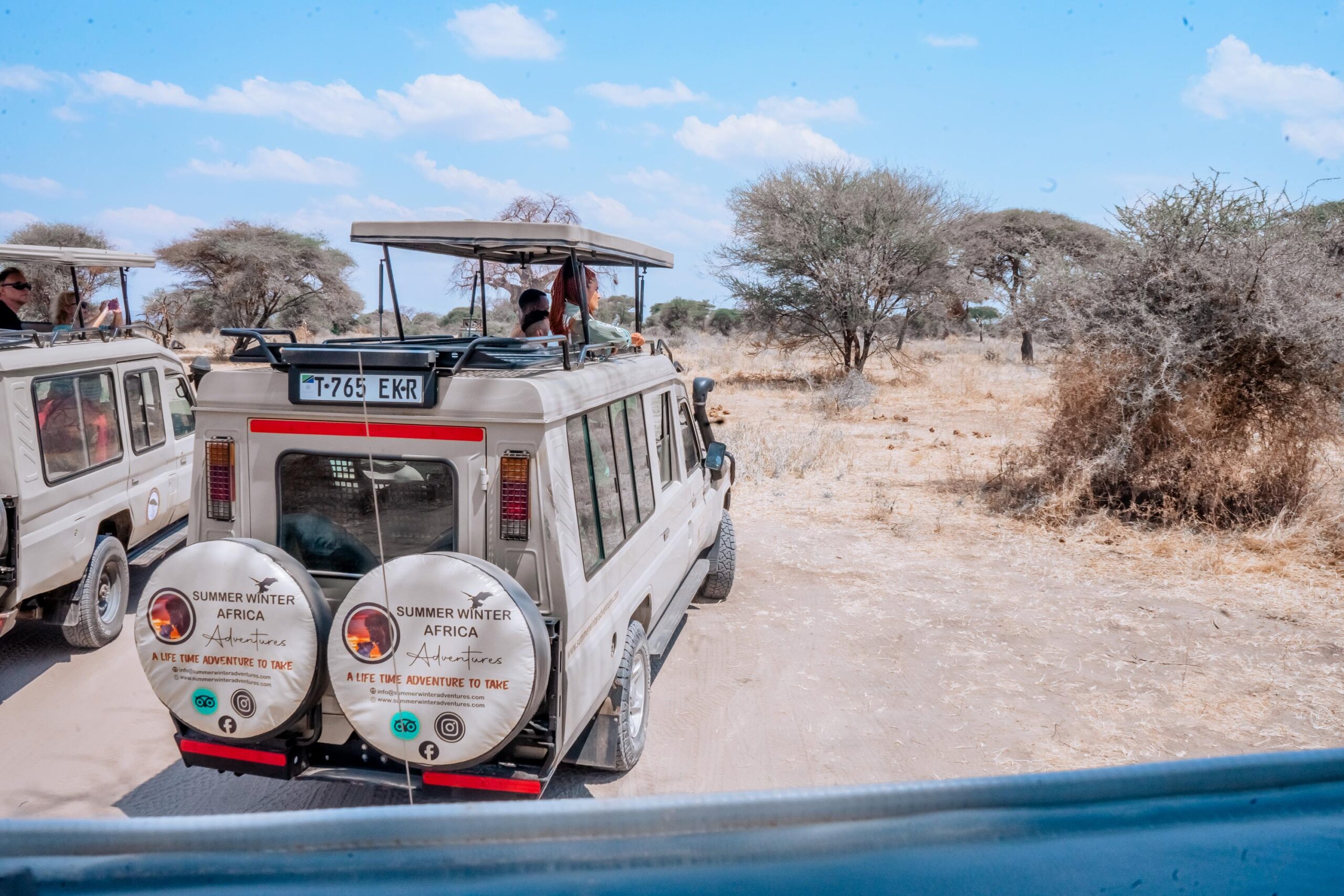
Day 1: Arusha to Tarangire National Park – Elephants, Baobabs, and Wildlife Photography
Main activity: Game drive in Tarangire National Park
Overnight: Lodge or tented camp near Tarangire or Karatu
Meals: Lunch and dinner, depending on the departure arrangement
Your safari begins with a pickup from your hotel in Arusha. After meeting your driver-guide, you will receive a short briefing about the route, the planned activities, and the photographic equipment you intend to use during the trip.
The drive to Tarangire National Park usually takes around two to three hours, depending on your starting point, traffic, and the location of the park entrance. Your guide will handle the park entry arrangements before you begin the game drive.
Tarangire is a strong starting point for a photographic safari because its scenery is different from the open plains found in some other northern Tanzania parks. Large baobab trees stand across the landscape, while seasonal swamps and the Tarangire River attract wildlife, particularly during drier months.
Once inside the park, the route will depend on recent wildlife sightings, road conditions, and the time available. Your guide will look for elephants, giraffes, zebras, wildebeest, impalas, and other animals. Lions and other predators may also be encountered, but their presence and visibility vary from day to day.
For photographers, elephants provide several opportunities beyond close-up portraits. You may be able to photograph family groups moving through the woodland, calves walking beside adults, or elephants feeding near the river. Where the landscape and light are suitable, the baobab trees can provide a strong background for wider environmental photographs.
Bird photography is another option. Tarangire supports many bird species, including hornbills, rollers, raptors, and other birds associated with woodland and wetland habitats. A telephoto lens is useful for birds at a distance, while a shorter lens can help capture the surrounding habitat.
Your guide will make stops when there is a worthwhile photographic opportunity and when the vehicle can be positioned legally and safely. Wildlife photography requires patience. Rather than moving constantly from one sighting to another, you may choose to spend more time with an animal if it is showing interesting behavior or moving through attractive light.
A packed lunch will normally be taken at a designated picnic site or another permitted location, depending on the day’s arrangements. After lunch, the game drive continues through suitable areas of the park. If conditions are good, the afternoon may provide opportunities to photograph elephants, antelope, birds, and the changing colors of the landscape.
Later in the afternoon, you will leave the park and drive to your accommodation. Depending on the property selected, you may stay near Tarangire or continue toward the Karatu area. The exact overnight location should be confirmed when the safari is booked because it affects the driving time on Day 2.
At the lodge or camp, you will have time to review your photographs, charge batteries, clean your equipment, and prepare for the following day. Dinner is served at the accommodation.
Photography focus for Day 1
- Elephant family groups and individual portraits
- Baobab trees and wide landscape compositions
- Giraffes, zebras, and antelope
- Birds in woodland and wetland habitats
- Wildlife behavior in the late-afternoon light
Day 2: Tarangire Area to Ngorongoro Conservation Area – Landscapes and Wildlife Along the Route
Main activity: Transfer toward the Ngorongoro Highlands, with a photographic stop or additional game viewing where practical
Overnight: Lodge or tented camp in the Karatu or Ngorongoro area
Meals: Breakfast, lunch, and dinner, depending on the package
The second day begins with breakfast at your accommodation. After breakfast, you will meet your guide and prepare for the journey toward the Ngorongoro area.
The exact plan for this day depends on where you stayed after the first game drive. If your accommodation is close to Tarangire, the morning may include some additional wildlife viewing before leaving the area. If you stayed in Karatu, the journey toward Ngorongoro may be shorter, leaving more time to prepare for the crater descent the following morning.
Your guide will explain the day’s driving plan before departure. Since this is a short safari, it is important to manage the time carefully. The aim is to reach the overnight accommodation without sacrificing the early start needed for the crater visit on Day 3.
As you travel through northern Tanzania, the scenery changes from dry woodland and open farmland to the cooler highland environment around Ngorongoro. Depending on the route, you may pass rural settlements, cultivated fields, open grassland, and viewpoints overlooking the surrounding landscape.
These areas can provide useful opportunities for travel photography. You may photograph the changing scenery, local landscapes, and rural life from appropriate locations. Any photographs of people should be taken respectfully, with permission where needed. Your guide can advise on suitable stops and local customs.
If time and park regulations allow, the guide may arrange additional wildlife viewing in an appropriate area. This should be confirmed in advance rather than assumed as a full game-drive day. The main priority is to position you for an early start at Ngorongoro Crater the next morning.
For photographers, the second day is also a good time to organize equipment. Check that camera batteries are charged, memory cards have enough space, and lenses are ready for the expected conditions. A wide-angle lens can be useful for the crater landscape, while a telephoto lens is valuable for distant animals. A mid-range zoom is useful for general wildlife photography and situations where animals move closer to the vehicle.
At the accommodation, your guide can review the next day’s schedule with you. The crater visit generally starts early to make the most of the morning, when temperatures are cooler and wildlife may be active. The exact departure time will depend on the accommodation location, park entry arrangements, and current conditions.
Dinner and overnight accommodation are provided according to the selected package.
Photography focus for Day 2
- Highland scenery and changing landscapes
- Rural and environmental photography at appropriate stops
- Equipment preparation for the crater
- Planning lens choices for wide landscapes and distant wildlife
Day 3: Ngorongoro Crater – Morning Wildlife Photography and Return to Arusha
Main activity: Game drive on the Ngorongoro Crater floor
Ending point: Arusha or Kilimanjaro International Airport
Meals: Breakfast and lunch, depending on the departure schedule
You will have an early breakfast before driving to the Ngorongoro Conservation Area entrance and descending into the crater. The early start is important because it allows you to spend more time on the crater floor and gives you a better chance of photographing wildlife during the cooler part of the day.
Ngorongoro Crater is a large volcanic caldera with a varied landscape that includes open grassland, woodland, wetlands, and water sources. These different habitats attract many animals and create a range of photographic backgrounds.
Once on the crater floor, your guide will follow suitable routes based on wildlife sightings, road conditions, and the time available. The aim is to make the most of the morning without rushing from one location to another.
You may encounter zebras and wildebeest grazing across open grassland, buffalo moving through the plains, and hippos resting in or near water. Hyenas are often seen searching for food, while lions may be resting, moving through the grass, or interacting with other members of their pride. Sightings depend on animal movements and cannot be guaranteed.
Ngorongoro is also one of the places where visitors may have an opportunity to see the endangered black rhinoceros. Rhinos can be difficult to find and may remain at a distance, so a longer telephoto lens is useful. Your guide will follow park rules and keep the required distance from wildlife.
For photographers, the crater is particularly useful because the landscape can place animals in a clear setting. Open grassland may provide clean backgrounds, while patches of woodland can add texture to an image. The crater walls also create a dramatic backdrop for wide landscape photographs when visibility is good.
Light conditions change throughout the morning. Early light can produce softer shadows and warm tones, while the sun becomes stronger as the day progresses. If the vehicle is positioned well, you may be able to photograph animals facing the light, backlit subjects, or silhouettes against the landscape. Your guide can help identify suitable positions, although the vehicle cannot always be moved to achieve a preferred camera angle.
A picnic lunch will normally be taken at a designated site in the conservation area, subject to the arrangements for the day. After lunch, the game drive continues for the remaining time permitted by the itinerary and park regulations. Your guide will then begin the journey out of the conservation area.
The return drive to Arusha generally takes several hours. The total time depends on the location of your accommodation, traffic, road conditions, and whether you are being dropped at a hotel or at Kilimanjaro International Airport.
If you have an international flight on the same day, the departure time must be discussed before booking. A crater game drive followed by the road transfer can take much of the day, and traffic or other delays are possible. For a late departure or a more relaxed end to the safari, an additional night in Arusha is often the safer arrangement.
At the end of the trip, your guide will drop you at the agreed location. This marks the end of your 3-day photographic safari in Tanzania.
Photography focus for Day 3
- Lions, buffalo, zebras, and wildebeest
- Hippos and wetland habitats
- Black rhinos, if sighted
- Wildlife portraits and animal behavior
- Crater landscapes and environmental photographs
3-Day Photographic Safari What Is Included in the Package?
The final inclusions depend on the accommodation category and the arrangements confirmed at booking. A standard private safari package may include:
- Private 4×4 safari vehicle with a professional driver-guide
- Game drives in Tarangire National Park and Ngorongoro Crater
- Park entry fees for the listed itinerary
- Ngorongoro Conservation Area and crater service fees, as applicable
- Two nights of accommodation
- Meals specified in the final itinerary
- Drinking water during game drives
- Pickup and drop-off in Arusha, where agreed
- Government taxes and levies included in the written quotation
Before confirming the booking, check whether the quoted price includes every conservation fee, crater service fee, accommodation tax, and meal listed in the itinerary. These charges can change, so the final quotation for your travel dates should be used as the reference.
3-Day Photographic Safari What Is Not Included?
Unless specifically stated in the quotation, the following items are usually excluded:
- International flights
- Tanzania visa fees
- Travel insurance
- Personal expenses and laundry
- Tips for the driver-guide and lodge staff
- Alcoholic and premium beverages
- Additional accommodation before or after the safari
- Optional activities not listed in the itinerary
- Camera equipment, lenses, and personal accessories
If you need airport transfers outside the agreed pickup and drop-off arrangements, request them when booking so that the cost and timing can be confirmed.
Best Time for a 3-Day Photographic Safari
The safari can operate throughout the year, but wildlife viewing and photography conditions change with the seasons.
June to October: This is generally the dry season. Wildlife may be easier to locate around water sources, and roads are often in better condition. Dust can affect photographs, particularly when vehicles are moving, so a protective cover for camera equipment is useful.
November to December: Short rains may bring greener landscapes and fresh vegetation. The scenery can be attractive for environmental photographs, and bird activity can be rewarding. Rain showers may affect road conditions and visibility.
January to February: Conditions vary, but this period can offer warm weather, green landscapes, and good bird photography. Wildlife sightings still depend on local movements and recent rainfall.
March to May: The long rains can make some roads muddy and may lead to changes in driving times. The landscape can be lush, with dramatic clouds and interesting light, but rain protection for cameras and lenses is important.
There is no single month that guarantees the best photographs. Your interests also matter. Travelers who prefer dry landscapes and animals around water may choose a different period from photographers interested in green scenery, birds, and changing weather.
3-Day Photographic Safari Equipment to Bring
A photographic safari does not require the most expensive equipment, but preparation makes a difference.
- Telephoto lens: A lens in the 100–400 mm or 150–600 mm range is useful for wildlife, depending on your camera system.
- Mid-range zoom: A 24–70 mm or similar lens is useful for general photography and animals that come closer to the vehicle.
- Wide-angle lens: Useful for baobab trees, crater landscapes, and wide environmental compositions.
- Spare batteries: Carry at least one spare and charge batteries at the accommodation each night.
- Memory cards: Bring enough storage for several days of shooting, particularly if you photograph in RAW format.
- Dust and rain protection: A camera cover or protective bag helps when conditions change.
- Binoculars: Useful for locating animals before preparing the camera.
- Lens cloth and cleaning kit: Dust is common in dry conditions, and lens cleaning should be done carefully.
- Beanbag or camera support: A beanbag can help steady a long lens on the vehicle, if the vehicle setup permits it.
A tripod is not always practical during vehicle-based game drives. If you plan to photograph landscapes or wildlife from a fixed position, discuss the equipment and vehicle setup with the operator before travel.
Practical Information Before Booking
This itinerary is short, so realistic timing is important. Tarangire and Ngorongoro are separate destinations, and road travel takes a meaningful part of the schedule. The program therefore concentrates on one main game-drive day in Tarangire and one in Ngorongoro Crater, with the second day used primarily for the transfer and preparation for the crater visit.
The exact overnight locations should be confirmed before payment. Staying near Tarangire may reduce the first day’s travel after the game drive, while staying in Karatu may make the final morning’s access to Ngorongoro more convenient. The best arrangement depends on accommodation availability, budget, and the route agreed with the operator.
For 2027–2029 travel, request a quotation based on your exact dates and preferred accommodation level. Prices may change as park fees, fuel costs, accommodation rates, and other operating expenses are revised. If you are traveling during busy periods, booking ahead is advisable, particularly if you want a specific lodge or tented camp.
If photography is the main purpose of your trip, tell the operator before booking. Ask whether the vehicle is private, how much time can be spent at sightings, and whether the guide has experience working with photographers. A private vehicle gives you more control over stops and shooting time than a shared vehicle, although all game drives remain subject to park regulations and wildlife conditions.
Also confirm the planned departure and return times, the number of people in the vehicle, the accommodation meal plan, and whether airport transfers are included. If you are catching an international flight on Day 3, allow a generous buffer or plan to stay in Arusha overnight.
Why Choose This 3-Day Photographic Safari?
This itinerary is suitable for travelers who want a short wildlife photography trip without spending too much time changing destinations. Tarangire offers elephants, baobabs, woodland, and birdlife, while Ngorongoro Crater provides a different landscape with a variety of wildlife in one compact area.
The trip is not designed to cover every major park in northern Tanzania. Instead, it gives you time to explore two destinations and concentrate on the photographic opportunities available during your visit. Sightings, light, and weather will vary, but careful planning and a knowledgeable guide can help you make better use of the available time.
For travelers with only three days, this is a practical way to experience Tanzania’s wildlife and landscapes. It can also work as a short addition to a longer Tanzania holiday, provided that arrival and departure times allow enough time for the road transfers.
Book your 3-Day Photographic Safari for 2027–2029 with Summer Winter Adventures by sharing your travel dates, group size, preferred accommodation level, and photography priorities. The itinerary can then be checked against current park fees, accommodation availability, and realistic driving times before the final quotation is prepared.
