
1-Day Photographic Safari: The Complete Tanzania Experience (2027–2029)
Duration: 1 Day
Destination: Tarangire National Park
Starting Point: Arusha, Tanzania
Ending Point: Arusha or another agreed drop-off point
Safari Style: Private photographic safari
Best For: Wildlife photographers, nature lovers, couples, families, and travelers with limited time
Transport: Private 4×4 safari vehicle with a pop-up roof
Meals: Packed lunch and drinking water
Travel Period: 2027–2029
1-Day Photographic Safari Overview
A one-day photographic safari in Tanzania is a practical option for travelers who have only a short time available but still want to experience wildlife in its natural environment. Starting from Arusha, this safari takes you to Tarangire National Park, a destination known for its elephants, baobab trees, open grasslands, seasonal swamps, and wide variety of birds.
The day is planned around wildlife viewing and photography, with time to look for animals, observe their behavior, and take photographs when the conditions are suitable. Rather than trying to visit several parks in one day, the itinerary focuses on Tarangire so that most of the available time can be spent inside the park.
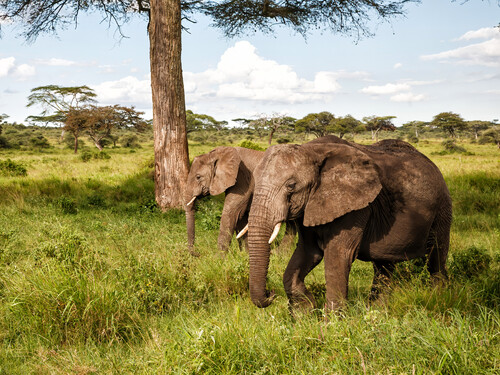
Tarangire is especially interesting for photographers because its landscape has a character of its own. Mature baobab trees stand across the woodland and grassland, while the Tarangire River and surrounding swamps attract wildlife, particularly during the dry season. Elephants are among the park’s main attractions, but the area also supports giraffes, zebras, wildebeest, buffalo, impalas, warthogs, and many bird species. Lions and other predators may be seen, although sightings depend on their movements and the conditions on the day.
This trip is suitable for people using professional cameras, mirrorless cameras, bridge cameras, or smartphones. You do not need specialized equipment to enjoy the safari, but a camera with a useful zoom range can help when photographing animals at a distance. Binoculars are also helpful for locating wildlife before preparing your camera.
A private safari vehicle is recommended for photography because it gives you more control over the pace of the game drive. You can discuss your interests with the guide and spend additional time at suitable sightings when park regulations and conditions allow. Wildlife encounters cannot be scheduled, however, and the guide must always follow park rules and maintain a safe distance from animals.
The itinerary below provides a realistic outline for a full-day visit to Tarangire National Park from Arusha. Driving times and the exact schedule may change depending on your hotel location, road conditions, park entry procedures, and the time of year.
Day 1: Arusha to Tarangire National Park – A Full Day of Wildlife Photography
Main destination: Tarangire National Park
Main activity: Guided game drive and wildlife photography
Departure: Early morning from Arusha
Return: Late afternoon or evening
Meals: Packed lunch and drinking water
Early Morning: Pickup and Journey to Tarangire
Your day begins with an early pickup from your hotel in Arusha. The exact departure time will be confirmed before the safari, but an early start is recommended because the journey to Tarangire takes time and you will want to make the most of the hours available inside the park.
After meeting your driver-guide, you will have a short briefing about the day’s plan. This is a good opportunity to explain what you hope to photograph. Some visitors prefer close-up wildlife portraits, while others are interested in animal behavior, birds, landscapes, or photographs that show animals within their surroundings.
Your guide can use this information when planning the route and deciding where to spend more time. Although the guide cannot guarantee particular sightings, local knowledge can help identify areas worth exploring based on recent wildlife movements and road conditions.
You will then leave Arusha and travel toward Tarangire National Park. The drive generally takes around two to three hours, although the journey may be longer depending on your pickup point, traffic, and the park entrance used.
Along the way, the scenery gradually changes from the outskirts of Arusha to rural settlements, cultivated land, and the drier landscapes around Tarangire. If the light and schedule allow, the journey itself may offer opportunities for landscape photographs from suitable stopping points. Any stops should be agreed with your guide and made in safe, permitted locations.
Once you arrive at the park entrance, your guide will handle the entry arrangements. After the necessary checks are completed, you will begin your game drive.
Morning Game Drive: Elephants, Baobab Trees, and Wildlife
Tarangire is a rewarding place to start a photographic safari because its wildlife and landscape offer a variety of subjects. The park is particularly well known for elephants and its large baobab trees, which can create strong backgrounds for wildlife photographs.
Your guide will choose a route according to the time available, recent sightings, road conditions, and the areas that are accessible. The morning game drive may take you through open grassland, woodland, and areas near seasonal water sources.
Elephants are often one of the main photographic interests in Tarangire. You may see family groups moving between feeding areas, adults breaking branches from trees, or calves walking close to their mothers. These encounters can offer opportunities for portraits as well as photographs showing the relationship between individual animals.
For a wider composition, you may be able to photograph elephants moving across the landscape with baobab trees behind them. Such images help show the animals in their natural environment rather than isolating them against a plain background. The best angle will depend on where the elephants are moving and where the vehicle can safely and legally stop.
Giraffes are another possible subject. They may be seen feeding from trees, crossing open ground, or standing in the shade during warmer parts of the day. Their height and long necks can make them interesting subjects for both close portraits and wider landscape photographs.
Zebras, wildebeest, impalas, and other herbivores may be found grazing or moving through the grassland. These animals can be useful subjects for practicing composition, focusing, and tracking movement. If several animals are gathered together, you may be able to photograph patterns, interactions, or the way they move through the landscape.
Buffalo and warthogs may also be encountered. Lions are present in Tarangire, but their location changes constantly. If your guide receives information about a recent sighting, the route may be adjusted when practical. It is important to remember that a predator sighting is never guaranteed, and the guide may need to continue searching if an animal is not visible.
Photography often requires patience. You may find a good sighting but need to wait for the animal to turn toward the light, move into a clearer background, or display an interesting behavior. Your guide can help position the vehicle where permitted, but the animal’s movements will determine the available opportunities.
The morning hours can offer softer light than the middle of the day. However, the light may change quickly depending on clouds, vegetation, and the direction in which the vehicle is facing. It is useful to keep your camera ready and adjust settings as conditions change.
Bird Photography in Tarangire
Tarangire is also worth visiting for its birdlife. The park has a wide range of habitats, including woodland, grassland, riverine vegetation, and seasonal wetlands. These different environments support many bird species throughout the year.
Depending on the season and location, you may see hornbills, rollers, eagles, vultures, starlings, and other birds. Some species may be perched in trees, while others feed on the ground or fly above the grassland.
A telephoto lens can be useful when photographing birds at a distance. If you are using a camera with a shorter zoom, binoculars can help you identify birds before attempting a photograph. When the vehicle is stationary and conditions are suitable, take time to focus carefully and avoid sudden movements that may disturb the subject.
Bird photography is not limited to close-up portraits. A wider photograph showing a bird perched on a baobab branch or flying over the landscape can provide a different view of the park. If birds are your main interest, tell your guide before the safari so that enough time can be allowed for suitable sightings.
Midday: Picnic Lunch and a Short Rest
Around midday, you will stop for a packed lunch at a designated picnic area, depending on the park arrangements and the route being followed. Your lunch will normally include simple food suitable for a day in the park, with drinking water provided according to the package.
A lunch break is a useful time to rest, review your camera settings, and check how much battery and memory-card space remain. If you have already taken many photographs, you can change memory cards or organize your equipment before the afternoon game drive.
The middle of the day is often hotter, and the light can be harsh for wildlife photography. Animals may also spend more time resting in shade, although activity varies. Rather than expecting constant action, use this time to plan the next part of the drive, check your equipment, and prepare for the changing afternoon light.
Follow your guide’s instructions at the picnic area. Wildlife can move through picnic sites, and food should be handled and stored according to park rules. Do not approach or feed wild animals.
Afternoon Game Drive: Wildlife Behavior and Landscape Photography
After lunch, the game drive continues through selected areas of Tarangire. Your guide may return to a location where wildlife was seen earlier or explore another part of the park if conditions are suitable.
The afternoon offers a chance to look for additional wildlife and work on photographs that may have been difficult to capture earlier in the day. Elephants may be feeding, walking toward water, or gathering in family groups. Giraffes and antelope may be visible in open areas, while birds can often be found around trees and wetland habitats.
If you are interested in landscape photography, the baobab trees and open grassland provide several options. You can use a wide-angle lens to show the scale of a tree or include wildlife in the foreground. A longer lens can also be useful for compressing the background and bringing animals and trees closer together in the frame.
Dust can be part of the experience during dry periods. If a vehicle ahead raises dust, wait for it to settle before photographing through the air when possible. Dust may also affect camera equipment, so keep your camera protected when it is not in use and avoid changing lenses unnecessarily.
During the game drive, your guide will decide when to stop and when to continue based on wildlife activity, road access, and the available time. If you find a good subject, you can ask whether it is practical to stay longer. The guide must balance your photography interests with park rules, the safety of the group, and the overall schedule.
No two game drives are exactly the same. You may spend time with a large elephant group on one day and encounter more birds or grazing animals on another. This variation is part of wildlife photography, and it is best to approach the day with flexibility.
Late Afternoon: Leaving Tarangire and Returning to Arusha
As the afternoon comes to an end, your guide will begin the journey out of Tarangire National Park. The departure time depends on park regulations, the route, and the agreed schedule.
Before leaving, check that your camera batteries, memory cards, and personal belongings are safely packed. If you have been photographing in dusty conditions, keep the camera and lenses protected until you can clean them properly.
The drive back to Arusha generally takes around two to three hours, although traffic and road conditions can affect the journey. You will be dropped at your hotel or another location agreed when booking. If you require a transfer to Kilimanjaro International Airport, this must be arranged in advance and the flight time should be checked carefully.
A one-day safari can make for a long day, especially with the early departure and return drive. If you want a more relaxed schedule or more time at wildlife sightings, consider staying overnight near Tarangire and returning to Arusha the following day.
Your safari ends when you reach the agreed drop-off point. You will have spent the day exploring Tarangire and photographing the wildlife and landscapes available during your visit.
What You May See During the Safari of 1-Day Photographic
Tarangire supports a variety of wildlife, but the animals you encounter will depend on the season, recent rainfall, and their movements on the day.
Elephants: Tarangire is well known for elephants. You may see individual animals or family groups moving through woodland and open areas.
Giraffes: Giraffes may be seen feeding from trees or crossing grassland. Their height and distinctive shape make them attractive subjects for wildlife portraits.
Zebras and wildebeest: These grazing animals may be found in open areas, sometimes in groups. They offer opportunities for photographs of movement and interactions.
Buffalo and antelope: Buffalo, impalas, and other antelope species may be encountered in different habitats throughout the park.
Lions and other predators: Predators are present, but sightings are unpredictable. Your guide may search areas where recent sightings have been reported, but there is no guarantee of finding them.
Birds: The park’s different habitats support many bird species. The variety and visibility of birds depend on the season and location.
The safari is focused on observing and photographing wildlife responsibly. Animals are free to move through their habitat, and no sighting can be promised in advance.
What Is Included in the 1-Day Photographic Safari?
The exact inclusions depend on the final quotation. A standard private day safari may include:
- Private 4×4 safari vehicle with a professional driver-guide
- Game drive in Tarangire National Park
- Park entry fees for the confirmed itinerary
- Packed lunch
- Drinking water during the safari
- Pickup and drop-off in Arusha, as agreed
- Government taxes and levies included in the written quotation
Check the quotation carefully to confirm that the park fees, meals, and transfer arrangements are included. If you are staying outside Arusha or require an airport transfer, additional charges may apply.
1-Day Photographic Safari What Is Not Included?
Unless specifically stated in the booking confirmation, the following are usually excluded:
- International flights
- Tanzania visa fees
- Travel insurance
- Tips for the driver-guide
- Personal expenses
- Alcoholic and premium beverages
- Accommodation before or after the safari
- Optional activities not listed in the itinerary
- Personal camera equipment and accessories
- Transfers outside the agreed pickup and drop-off arrangements
If you need an overnight stay before or after the safari, request it when booking so that the accommodation and transfer costs can be confirmed.
Best Time for a 1-Day Photographic Safari
Tarangire can be visited throughout the year, but the weather and wildlife conditions change between seasons.
June to October: This is generally the dry season. Wildlife may gather around remaining water sources, and vegetation can be less dense in some areas. Dust may be common on dry roads, so camera protection is useful.
November to December: Short rains can bring greener vegetation and changing skies. Birdlife may be rewarding, although showers can affect road conditions.
January to February: Conditions vary from year to year. The scenery may be green, and bird photography can be good, but wildlife sightings depend on recent rainfall and animal movements.
March to May: The long rains can produce lush landscapes and dramatic clouds. Some roads may become muddy, and rain protection is important for camera equipment.
The best time depends on the type of photographs you want to take. Travelers interested in dry-season wildlife viewing may choose different dates from those who prefer green landscapes and birds.
1-Day Photographic Safari Equipment to Bring
You can enjoy the safari with a range of camera equipment. A professional camera is not essential, but preparation helps you make better use of the day.
- Telephoto lens: A 100–400 mm or similar lens is useful for wildlife at a distance.
- Mid-range zoom: A 24–70 mm or equivalent lens is suitable for general photography and animals that come closer to the vehicle.
- Wide-angle lens: Useful for baobab trees and wider landscape images.
- Spare batteries: Bring at least one spare and charge your batteries before departure.
- Memory cards: Carry enough storage for a full day of photography.
- Dust protection: A camera bag or protective cover helps keep equipment clean.
- Lens-cleaning kit: A blower and suitable cloth are useful for removing dust safely.
- Binoculars: Helpful for locating wildlife before taking photographs.
- Camera support: A beanbag may help steady a long lens on the vehicle if the setup allows it.
Keep your camera protected when the vehicle is moving, especially on dusty roads. Avoid changing lenses unnecessarily in exposed conditions. If you plan to bring large lenses or specialized equipment, inform the operator before booking so that the vehicle arrangement can be checked.
Responsible Wildlife Photography
Wildlife photography should not interfere with the animals or their habitat. Your guide will follow park regulations and help you observe wildlife safely.
Do not ask the driver to approach animals too closely, block their movement, or leave permitted roads to obtain a photograph. Avoid shouting, sudden movements, or any behavior that may disturb wildlife. Never feed animals or try to attract them for a picture.
A good wildlife photograph often comes from waiting rather than getting closer. Watching an animal’s behavior and allowing it to move naturally can produce more useful images than trying to force a particular pose.
When photographing local people during the drive or at stops, ask permission where appropriate and respect anyone who does not want to be photographed.
Practical Information for 2027–2029
For travel during 2027, 2028, or 2029, request a quotation based on your intended date. Park fees, vehicle operating costs, and other charges may change over time, so prices should be confirmed before payment.
A private safari is generally the most suitable option for photography because you can discuss the pace of the day with your guide. If you are traveling with other people, let the operator know how many passengers will be in the vehicle and whether anyone will be carrying large camera equipment.
The exact pickup time should be confirmed before departure. An early start is recommended to make the most of the time inside Tarangire, but the schedule may depend on your hotel location and the park’s operating arrangements.
A one-day safari from Arusha involves several hours of driving in addition to the game drive. Travelers who want more time for photography, a slower pace, or the possibility of spending longer at sightings should consider a two-day safari with an overnight stay near the park.
If you have a flight on the same evening, provide the flight details when requesting a quotation. The operator can then assess whether the return transfer is realistic. An additional night in Arusha may be advisable if the flight departure time leaves little room for delays.
Why Choose This 1-Day Photographic Safari?
This safari is a practical way to experience Tanzania’s wildlife when you have only one day available. Tarangire offers elephants, baobab trees, birds, and varied scenery within reach of Arusha. It allows you to spend a day photographing wildlife without committing to a longer itinerary.
The program is not intended to guarantee particular animals or a fixed number of sightings. Instead, it provides a full day to explore the park with a guide who can help you make the most of the conditions on the day. Wildlife movements, weather, and light will all influence the photographs you are able to take.
For photographers, the main benefit of a private day safari is the opportunity to discuss your interests and spend time at suitable sightings when practical. Whether you want to photograph elephants, birds, or the landscape, your guide can help you choose a route based on the time available and current conditions.
Book Your 1-Day Photographic Safari for 2027–2029
Summer Winter Adventures can arrange a one-day photographic safari to Tarangire National Park for travelers visiting northern Tanzania between 2027 and 2029.
When requesting your quotation, provide your preferred travel date, number of travelers, hotel location, and main photography interests. Mention whether you use long telephoto lenses or other large equipment so the vehicle arrangements can be checked. Also confirm whether you need a return transfer to Arusha or a drop-off at Kilimanjaro International Airport.
The final itinerary and price should be confirmed before booking, including park fees, meals, pickup time, and transfer arrangements.
If you have only one day in Tanzania, this safari gives you a chance to experience Tarangire’s wildlife and scenery with time set aside for photography. An early start, suitable equipment, a flexible approach, and a knowledgeable guide will help you make the best use of the day.
